
How to Choose the Right Logistics Company for Your Business in Canada
Efficient logistics is one of the foundations of a successful business. Whether a company sells products online, operates retail locations, manufactures goods, manages warehouses, or distributes products to commercial customers, reliable transportation and supply chain coordination are essential.
As businesses grow, managing every part of transportation internally can become increasingly complicated. Orders need to be picked up, sorted, stored, transported, and delivered on schedule. Customers also expect greater visibility and convenience throughout the delivery process.
Working with the right logistics company can help businesses organize these activities more effectively while allowing internal teams to focus on their core operations.
What Does a Logistics Company Do?
A logistics company manages or supports the movement and storage of goods from one location to another.
Depending on the provider, services can include transportation, warehousing, distribution, courier delivery, order fulfillment, inventory management, package sortation, and final-mile delivery.
Some providers specialize in particular industries or shipment types, while others offer a broader range of solutions.
The right choice depends on the size of the business, type of products, shipping destinations, order volume, and specific operational requirements.
Why Logistics Services Matter
Modern supply chains involve multiple stages.
Products may move from a manufacturer to a warehouse, then to a distribution centre, retail location, or customer. If one stage is poorly managed, the entire process can be affected.
Professional logistics services can help businesses coordinate transportation and distribution more efficiently.
For an e-commerce company, this may involve moving inventory into a fulfillment facility and then delivering individual orders to customers. A manufacturer may need transportation between suppliers, production facilities, warehouses, and commercial customers.
Reliable logistics can therefore support both operational efficiency and customer satisfaction.
Start by Understanding Your Business Needs
Before choosing a logistics provider, businesses should identify their most important requirements.
Consider:
-
What products are being transported?
-
How frequently are shipments sent?
-
What are the typical shipment sizes?
-
Where are the pickup and delivery locations?
-
Is warehousing required?
-
Are deliveries time-sensitive?
-
Do customers need same-day or next-day options?
-
Is shipment tracking necessary?
-
Are specialized handling requirements involved?
-
Does the business expect shipment volumes to increase?
Creating a clear overview of these needs makes it easier to compare providers.
Transportation Services
Transportation is one of the most important parts of logistics.
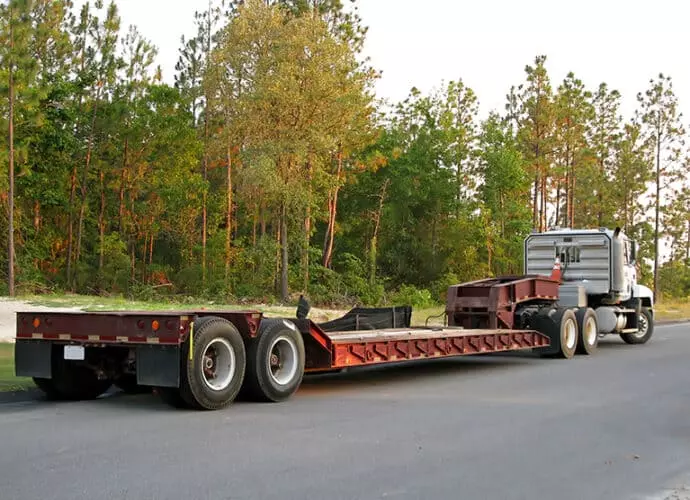
Depending on the shipment, businesses may require courier vehicles, straight trucks, dry vans, flatbeds, refrigerated equipment, or other specialized transportation.
A business should choose a provider with equipment appropriate for its freight.
For standard packaged products, enclosed transportation may be sufficient. Large machinery or construction materials may require specialized equipment.
The transportation method should always match the type of cargo being moved.
Same-Day and Next-Day Delivery
Fast delivery has become increasingly important to businesses and customers.
Same-day services can be useful for urgent orders, local retail fulfillment, important documents, and replacement parts.
Next-day services can provide faster transportation for customers who do not require immediate delivery but still want their orders quickly.
Businesses should determine which delivery speeds are actually necessary instead of paying for expedited transportation on every shipment.
A flexible logistics provider can offer different service levels depending on the urgency of each order.
Warehousing and Distribution
Logistics is not limited to transportation.
Many businesses also need a place to store products before they are delivered.
Warehousing services can provide businesses with storage space, inventory handling, order preparation, and distribution support.
This can be particularly useful for companies that are growing and do not want to invest heavily in their own warehouse infrastructure.
A logistics provider can potentially coordinate storage and transportation under one strategy.
Final-Mile Delivery
The final stage of transportation is often the most visible to customers.
Final-mile delivery takes a shipment from a distribution location to its final destination.
For e-commerce businesses, this can be the point where the customer interacts directly with the delivery experience.
Timely delivery, accurate addresses, clear communication, and proof of delivery can all influence customer satisfaction.
Businesses should therefore evaluate a provider's final-mile capabilities carefully.
Package Sortation and Order Fulfillment
High-volume businesses may also need package sortation and fulfillment services.
Sorting helps organize shipments according to destinations, delivery schedules, or other criteria.
Order fulfillment involves preparing customer orders for shipment, which may include picking products, packing them, labelling packages, and transferring them to the appropriate delivery network.
For growing e-commerce businesses, outsourcing some of these functions can reduce the operational burden on internal teams.
Why Geographic Coverage Matters
Canada is a large country with significant geographic differences between regions.
Businesses may need to serve major urban markets as well as smaller communities.
When comparing logistics companies in canada, businesses should determine whether the provider's service area matches their current and future requirements.
A company serving customers throughout the Greater Toronto Area may eventually expand into other provinces.
Choosing a provider with broader capabilities can reduce the need to change logistics partners as the business grows.
Local Knowledge Can Be Valuable
National coverage is important, but local knowledge also matters.
A logistics provider familiar with a particular metropolitan area may understand local traffic patterns, commercial zones, warehouse districts, delivery restrictions, and common transportation challenges.
This can be especially useful for businesses that rely heavily on local and regional deliveries.
For companies operating in the GTA, knowledge of Toronto, Mississauga, Brampton, Vaughan, Markham, Milton, Oakville, and surrounding communities can support more effective planning.
Tracking and Shipment Visibility
Businesses increasingly expect visibility throughout the delivery process.
Tracking can provide information about pickup, transportation progress, and delivery status.
For customer-facing businesses, shipment visibility also allows customer service teams to provide more accurate updates.
When comparing logistics providers, ask what technology is available for tracking, reporting, and delivery confirmation.
Customer Service Matters
Transportation problems can occur even with good planning.
A delivery address may change, traffic may cause delays, or a shipment may require additional coordination.
Businesses should therefore consider how responsive a provider is when issues arise.
Look for clear communication channels and a customer service process that allows problems to be addressed promptly.
A logistics company should be a partner that communicates effectively rather than simply transporting goods from one location to another.
Evaluate Reliability
Reliability is one of the most important qualities in logistics.
Businesses depend on carriers to meet agreed pickup and delivery schedules. Repeated delays can affect inventory levels, production schedules, customer satisfaction, and revenue.
When evaluating providers, look for evidence of consistent service and ask about their experience with similar shipments.
Customer feedback can also provide insight into punctuality, communication, and problem resolution.
Consider Scalability
A logistics partner should ideally be able to grow alongside your business.
A small e-commerce company may begin with a limited number of shipments each day but eventually process hundreds or thousands.
A manufacturer may expand into new markets and require additional transportation routes.
A retailer may open new stores and need more frequent inventory transfers.
When comparing logistics companies in canada, ask whether the provider can accommodate higher volumes, additional locations, seasonal demand, and new delivery requirements.
Compare Pricing Carefully
Price is an important consideration, but it should not be the only one.
Different logistics providers may structure their rates differently. Some may charge separately for storage, fuel, handling, delivery attempts, special equipment, or other services.
Businesses should compare complete pricing structures rather than focusing only on the base transportation rate.
A slightly higher price may provide better reliability, tracking, customer support, or service coverage.
The goal is to find the best overall value rather than simply the cheapest provider.
Safety and Compliance
Businesses should also consider safety.
Transportation providers need appropriate procedures for vehicle maintenance, cargo handling, driver safety, and applicable transportation requirements.
This can be particularly important when shipping heavy, oversized, fragile, or specialized cargo.
Before choosing a provider, businesses can ask about insurance, safety procedures, equipment maintenance, and cargo handling practices.
Technology Is Changing Logistics
Technology is becoming increasingly important in modern supply chains.
Digital tracking, route optimization, electronic documentation, automated notifications, warehouse systems, and online shipment management can all improve visibility and efficiency.
Businesses should assess whether a prospective provider's technology supports their needs.
For companies managing numerous daily shipments, digital tools can reduce manual work and make transportation information easier to access.
Logistics for E-Commerce
E-commerce businesses have particularly complex logistics requirements.
Inventory must be received, stored, picked, packed, and delivered to individual customers.
A reliable logistics provider can support several stages of this process.
Depending on the business, services may include warehousing, fulfillment, package sortation, last-mile delivery, returns management, and expedited shipping.
The right combination can help online retailers manage growth while maintaining a consistent customer experience.
Logistics for Manufacturers
Manufacturers may have more complex freight requirements than online retailers.
They may transport raw materials, components, machinery, finished products, and industrial equipment between multiple locations.
Production schedules can depend on shipments arriving at the right time.
A logistics partner with experience in commercial freight can help coordinate these movements more effectively.
Logistics for Retail Businesses
Retailers often need regular inventory movement.
Products may need to travel between distribution centres and multiple stores.
Seasonal demand can also create sudden increases in shipping volume.
A logistics company that can provide scheduled transportation and scalable services can help retailers manage these fluctuations.
Outsourcing Logistics Can Free Internal Resources
Managing logistics in-house requires significant resources.
Businesses may need vehicles, drivers, warehouse facilities, dispatch systems, software, insurance, and employees to coordinate transportation.
Outsourcing some or all of these functions can allow businesses to focus more on their core activities.
This can be particularly beneficial for growing companies that need professional logistics support without building an entire transportation infrastructure themselves.
Questions to Ask Before Choosing a Logistics Provider
Before entering into an agreement, businesses should ask:
-
What logistics services do you provide?
-
What regions do you cover?
-
What types of freight do you handle?
-
Do you provide warehousing and distribution?
-
Are same-day and next-day options available?
-
Is shipment tracking included?
-
How are delivery exceptions handled?
-
Can your services scale with our business?
-
What additional charges should we expect?
-
Do you have experience serving businesses in our industry?
The answers can help companies compare providers based on actual operational requirements.
Choosing the Right Logistics Partner
The best logistics provider is not necessarily the largest company or the one offering the lowest price.
Businesses should focus on fit.
A suitable provider should understand the company's products, shipping volume, delivery destinations, customer expectations, and growth plans.
It should also provide clear communication, dependable service, appropriate equipment, and practical technology.
Taking time to evaluate these factors can create a stronger long-term transportation relationship.
Final Thoughts
Choosing the right logistics provider can improve how a business moves products, manages inventory, and serves customers.
From transportation and warehousing to fulfillment, package sortation, and final-mile delivery, modern logistics involves multiple connected processes.
Businesses should begin by identifying their specific requirements and then compare providers based on service range, coverage, reliability, technology, safety, customer support, scalability, and pricing.
For companies researching logistics companies in canada, looking beyond basic transportation rates can reveal important differences in service quality and operational capability.
The right logistics company should be able to support the business today while remaining flexible enough to accommodate future growth.
Whether a business needs local delivery, nationwide transportation, warehouse support, or a combination of services, selecting a logistics partner carefully can help create a more dependable and efficient supply chain.
Frequently Asked Questions
What does a logistics company do?
A logistics company can manage or support transportation, warehousing, distribution, fulfillment, courier delivery, inventory movement, and other supply chain activities.
What are logistics services?
Logistics services can include transportation, warehousing, distribution, final-mile delivery, package sortation, order fulfillment, same-day delivery, next-day delivery, and specialized freight transportation.
How do I choose a logistics company in Canada?
Consider service coverage, transportation equipment, reliability, technology, tracking, customer service, pricing, safety practices, and scalability.
Why is logistics important for e-commerce businesses?
E-commerce businesses depend on efficient inventory movement, order fulfillment, and final-mile delivery. Reliable logistics can help maintain product availability and support positive customer experiences.
Can a logistics company provide warehousing?
Many logistics providers offer warehousing and distribution services, but businesses should confirm the specific facilities and services available.
Should businesses outsource logistics?
Outsourcing can be useful for businesses that do not want to invest in their own fleet, warehouse infrastructure, logistics software, or transportation staff.
Can logistics providers handle same-day and next-day delivery?
Some providers offer expedited services, but availability depends on the provider, route, shipment type, and destination.
Why is shipment tracking important?
Tracking gives businesses greater visibility into shipment progress and can help customer service teams provide more accurate delivery information.
How important is scalability when choosing a logistics provider?
Scalability is important for growing businesses because shipment volumes, service areas, and operational requirements can change over time. A flexible provider can help support those changes.

 English
 Arabic
 French
 Spanish
 Portuguese
 Deutsch
 Turkish
 Dutch
Dutch
 Italiano
 Russian
 Romaian
 Greek
Greek