
Understanding Hair Growth Potential With PRP Hair Treatment
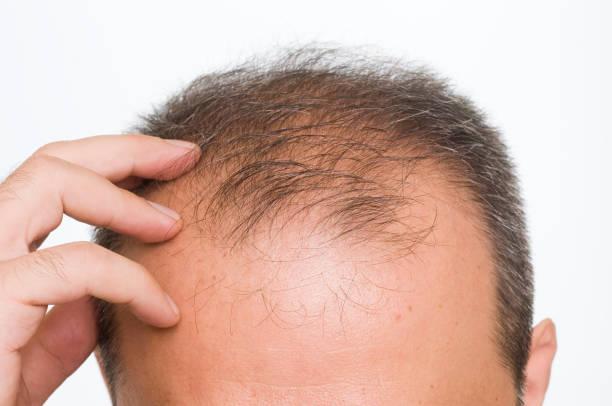
Hair growth depends on the health, activity, and longevity of individual follicles. When follicles begin producing finer strands or spending less time in the active growth phase, hair may gradually lose its fullness. Genetics, aging, hormonal changes, stress, nutrition, and scalp health can all influence this process. PRP in Riyadh is a regenerative approach designed to support existing follicles by using concentrated components from the patient’s own blood. Understanding its potential can help individuals develop realistic expectations about what this treatment may contribute to a personalized hair-restoration plan.
What Determines Hair Growth Potential?
Every person's hair-growth potential is different. Factors such as genetics, age, follicle condition, the cause of thinning, and the stage of hair loss can influence how hair responds to treatment. Follicles that remain active may have greater potential for producing stronger-looking strands than follicles that have been permanently lost. This is why evaluating the scalp and hair-loss pattern is important before choosing a regenerative treatment.
What Is PRP Hair Treatment?
PRP stands for platelet-rich plasma, a concentrated blood component containing platelets and growth factors. During treatment, a small blood sample is collected and processed to separate the platelet-rich portion. The resulting preparation is then carefully administered into targeted areas of the scalp. The objective is to deliver concentrated biological components around existing follicles and support natural regenerative processes. Because PRP is derived from the patient's own blood, it is considered an autologous treatment.
How PRP May Support Hair Growth
Platelets contain growth factors involved in tissue repair and cellular signaling. When concentrated PRP is introduced into selected scalp areas, these biological components may help support the environment surrounding existing hair follicles. This may encourage conditions associated with healthier follicular activity and hair production. PRP hair treatment in Riyadh is therefore primarily focused on supporting follicles that remain viable rather than creating completely new follicles.
Can PRP Restore Thinning Hair?
PRP may help improve the appearance of hair density and thickness in suitable candidates, but it should not be considered a guaranteed restoration method. Its potential is closely related to the condition of the existing follicles. If follicles are still active but producing increasingly fine hair, supporting their environment may provide an opportunity for improvement. However, areas where follicles have been permanently lost may require different restoration approaches.
Why the Stage of Hair Loss Matters
The stage and duration of hair loss can influence treatment potential. Early or moderate thinning may leave a larger number of viable follicles available for support. In more advanced cases, the number of active follicles may be significantly reduced. This does not automatically mean PRP is unsuitable, but it highlights the importance of a professional assessment. A specialist can evaluate the scalp and discuss whether PRP is likely to provide meaningful support.
Who May Be a Candidate?
PRP may be considered for adults experiencing certain forms of gradual hair thinning. People who notice increased shedding, reduced crown density, a widening part, or finer strands may benefit from discussing their concerns with a specialist. Suitability depends on the underlying cause, follicle health, scalp condition, and individual treatment goals. A personalized assessment is essential for determining whether PRP is appropriate.
What Happens During Treatment?
A typical PRP session begins with collecting a small amount of blood from the patient. The sample is processed to concentrate the platelet-rich plasma. Once prepared, the PRP is injected into selected scalp areas according to the individual's pattern of thinning. The procedure is minimally invasive and does not involve surgically removing or transplanting hair follicles. Treatment techniques and targeted areas can vary based on professional assessment.
When Does Hair Growth Improve?
Hair follicles follow natural growth cycles, so PRP cannot produce immediate results. Even when treatment supports follicular activity, changes in hair density or thickness develop gradually. Some individuals may notice differences in shedding or texture before visible changes in overall fullness. Treatment plans may involve multiple sessions and follow-up evaluations, depending on individual needs. Patience is important because the hair-growth process naturally takes time.
Factors That Can Affect Results
PRP response varies from person to person. The underlying cause of hair loss, age, follicle viability, duration of thinning, scalp health, treatment protocol, and individual biological response can all influence outcomes. Lifestyle and hair-care habits may also affect the overall appearance of hair. For this reason, professional guidance and realistic expectations are essential when considering PRP.
Supporting Your Hair-Growth Potential
A professional treatment can be supported by healthy scalp and hair-care habits. Following aftercare recommendations, maintaining gentle scalp hygiene, avoiding excessive heat and chemical treatments, and using suitable hair-care products can help protect existing strands. Balanced nutrition and general wellness may also support overall hair health. If significant shedding continues, further evaluation may be necessary to identify an underlying factor.
PRP Compared With Hair Transplantation
PRP and hair transplantation address hair loss in different ways. PRP aims to support existing follicles, whereas transplantation involves moving follicles from a donor area to another part of the scalp. Individuals with early thinning may wish to explore regenerative options before considering surgery, while advanced hair loss may require alternative approaches. PRP hair treatment in Riyadh can be discussed with a specialist as part of a personalized strategy based on follicle condition and long-term restoration goals.
Setting Realistic Expectations
Understanding hair-growth potential means recognizing both the possibilities and limitations of PRP. The treatment may support existing follicles and contribute to improvements in the appearance of hair thickness or density for appropriate candidates. However, outcomes are not identical for everyone, and PRP cannot guarantee complete hair restoration. A detailed assessment allows patients to understand their individual potential and choose a treatment strategy based on their specific circumstances.
Book Your Consultation at Royal Clinic Saudia
If you want to understand your hair-growth potential and explore options for thinning hair, a professional consultation is a valuable first step. Royal Clinic Saudia provides personalized consultations for individuals experiencing hair and scalp concerns. A specialist can evaluate your follicles, discuss whether PRP may be suitable, and develop an individualized treatment approach based on your condition and goals.
FAQs
Can PRP increase hair growth potential?
PRP is designed to support existing viable follicles and may improve the appearance of hair density or thickness in suitable candidates. Individual results vary.
Does PRP work when hair follicles are completely lost?
PRP does not create new hair follicles. When follicles have been permanently lost, other hair-restoration approaches may need to be considered.
Is PRP better for early hair thinning?
PRP may have greater potential when viable follicles are still present. However, suitability depends on the cause and extent of hair loss and should be determined through professional assessment.
How long does it take to evaluate PRP results?
Hair growth develops gradually, so results require time to become visible. Follow-up assessments can help monitor follicular and hair changes and determine whether additional treatment may be appropriate.

 English
 Arabic
 French
 Portuguese
 Deutsch
 Turkish
 Dutch
 Italiano
 Russian
 Romaian
 Portuguese (Brazil)
 Greek