English
 Arabic
 French
 Spanish
 Portuguese
 Deutsch
 Turkish
 Dutch
Dutch
 Italiano
 Russian
 Romaian
 Portuguese (Brazil)
 Greek
Greek
The Role of a Medical Recruitment Agency in Dubai in Solving Healthcare Staffing Challenges
Other |
2026-07-20 15:48:46
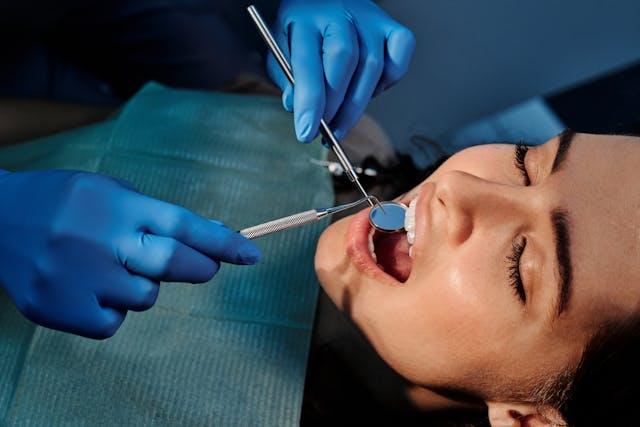
A denture can look clean while still carrying plaque, food residue, and bacteria across surfaces that are easy to miss. At the same time, cleaning methods that seem effective can slowly damage acrylic, artificial teeth, or other denture components. This creates a common problem: the person is cleaning the appliance regularly but using a method that shortens its useful life.
Strong brushing, abrasive toothpaste, very hot water, and household cleaning products can scratch or distort denture materials. Once a surface becomes rough, deposits can collect more easily, making future cleaning harder.
Good denture cleaning is therefore about more than removing visible debris. It requires the right tools, suitable cleaning methods, and careful handling. A sensible denture care routine protects the appliance while also keeping the tissues that support it in better condition.
A sound denture cleaning routine begins with consistency. Removable dentures collect food particles and plaque throughout the day, especially along the surface that sits against the gums. These deposits should be removed daily rather than allowed to build up.
Before cleaning, rinse the denture with lukewarm water to loosen food particles. A soft denture brush can then be used to clean all surfaces. The brush should reach the teeth, outside surfaces, inside surfaces, and areas that contact the gums.
Hard scrubbing is not necessary. The aim is to remove deposits without creating scratches or wearing down the material. Gentle, controlled brushing is usually more suitable than applying heavy pressure.
Patients should also clean their mouth, not only the appliance. Gently brushing the gums, tongue, palate, and any remaining natural teeth helps reduce plaque and supports healthier tissues beneath the denture.
One of the biggest denture cleaning mistakes is assuming that any household cleaner will work. Dentures are made from materials that can be affected by abrasives, heat, and certain chemicals.
Some ordinary toothpastes contain polishing particles designed for natural enamel. These particles may scratch denture surfaces, particularly when used repeatedly.
Bleach, strong detergents, and other household products may affect color, surface condition, or the materials used in the denture.
When choosing a cleaning product, look for one intended specifically for removable dentures and follow its instructions. The goal is to remove deposits without changing the shape or surface of the appliance.
This matters because scratches are not simply cosmetic. A roughened surface can collect debris more easily and may become harder to clean over time.
Hot water is another common source of trouble. Patients may assume that very warm or boiling water will make the denture cleaner, but excessive heat can affect some denture materials and may change their shape.
Lukewarm water is a safer choice for routine rinsing and cleaning unless a dental professional has provided different instructions for the specific appliance.
Temperature matters during soaking as well. A denture that fits properly depends on maintaining its intended shape. Any unwanted change can affect how it contacts the gums and supporting tissues.
For this reason, denture care should always include attention to temperature, not just the cleaning product being used.
A denture has more than one surface, and visible areas are not the only places where deposits develop.
Clean the chewing surfaces of the artificial teeth
Brush the outer denture surfaces
Clean the inside surface that contacts the gums
Rinse the appliance thoroughly
Remove adhesive residue when applicable
Inspect the denture for cracks or worn areas
The tissue side deserves particular attention because food debris and adhesive residue may collect there during the day.
Patients using partial dentures should also clean around any components that contact remaining natural teeth. Those areas can collect plaque and need regular attention.
A complete routine takes only a few minutes but can prevent buildup that becomes more difficult to remove later.
Many denture wearers use a soaking solution as part of their evening routine. Soaking can help loosen deposits and support hygiene, but the solution must be suitable for the appliance.
Different soaking products have different instructions regarding concentration, contact time, and water temperature.
After soaking, the denture should be rinsed well before it is placed back in the mouth.
The soaking solution should not be treated as a replacement for brushing. Brushing removes deposits that soaking may not fully dislodge.
A practical denture cleaning routine can therefore involve both mechanical cleaning and an approved soaking method, depending on professional guidance.
People who use denture adhesive may notice residue remaining on the denture or oral tissues after removal. Leaving this material in place can contribute to buildup and make later cleaning more difficult.
Adhesive should be removed carefully from the denture and mouth according to the product instructions. If large amounts are required each day, the issue may not be the adhesive itself.
Increasing adhesive use can sometimes indicate that the denture fit has changed. Natural changes in the gums and jaw can reduce retention over time. In such cases, an assessment may be more useful than simply adding more adhesive.
This is an important part of denture care because a cleaning problem can sometimes point toward a fit problem.
Cleaning time also creates a good opportunity to check the appliance for visible damage.
Look for:
Cracks in the denture base
Chipped artificial teeth
Loose components
Worn chewing surfaces
Changes in color or texture
Areas that feel rough or sharp
A small crack can become a larger fracture if the denture continues to receive daily chewing forces. Detecting the problem early gives the patient an opportunity to seek professional assessment before the appliance breaks.
Professional denture repair may be appropriate when the overall appliance remains suitable for continued use.
When a denture has extensive wear, repeated fractures, or major fit changes, replacement may be considered instead.
Cleaning is only half the routine. Storage also affects the condition of a removable denture.
When the appliance is not being worn, it should be stored according to the instructions provided for that particular material. Many dentures should remain moist when outside the mouth, although the exact storage method can vary.
The denture should also be kept in a clean container and protected from accidental drops. A hard bathroom surface can cause significant damage if the appliance slips from the hand during handling.
Good storage practices are simple, but they reduce unnecessary physical stress and help preserve the appliance between periods of wear.
A clean denture does not guarantee a healthy mouth. The gums and other oral tissues also need routine care.
A soft brush can remove plaque and improve cleanliness without placing excessive pressure on the tissue.
These surfaces can also collect bacteria and food residue and should be included in the daily routine.
Patients who still have natural teeth must continue brushing and flossing those teeth as directed by their dental professional.
Denture care is therefore a two part process: maintaining the appliance and maintaining the environment that supports it.
Home cleaning handles routine buildup, but some stains and hardened deposits may be difficult to remove safely at home.
Professional cleaning can help when a denture has accumulated stubborn deposits or discoloration. During the visit, the appliance can also be examined for signs of wear, damage, or fit changes.
New Smile Dentures lists professional denture cleaning among its repair and maintenance services, along with tooth repair, adjustments, relines, and broken denture services.
This kind of assessment is useful because cleaning and denture condition often overlap. A surface that appears difficult to clean may also have become rough or worn.
A well maintained denture can still become uncomfortable or unstable as the mouth changes. Cleaning cannot correct every denture problem.
Professional attention may be appropriate when:
The denture becomes increasingly loose
Sore spots keep returning
Chewing becomes harder
The bite feels different
The denture cracks or breaks
Adhesive use increases significantly
The appliance no longer feels like it used to
A reline can sometimes improve the fit of an existing denture when the appliance remains structurally sound. New Smile Dentures currently provides denture reline options as well as repair services.
When damage or wear is more extensive, a new prosthesis may be the better option.
Not every removable prosthesis is identical. The design of a full denture differs from that of a partial denture, while implant supported dentures have additional components that need attention.
New Smile Dentures lists full dentures, partial dentures, immediate dentures, denture implants, and denture repair and relines among its services.
This matters for cleaning because each design may have different areas where plaque, food, or adhesive can collect.
Patients with partial dentures should pay particular attention to the parts that interact with remaining natural teeth. Those teeth still require normal oral hygiene.
Patients with implant supported systems should also follow cleaning instructions specific to their attachment components and implants.
Good denture cleaning does not need to become a complicated process. A repeatable routine is easier to maintain and less likely to be skipped.
A practical sequence is:
Remove the denture carefully.
Rinse away loose food particles.
Brush all surfaces gently.
Clean the gums, tongue, and palate.
Use an approved soaking product when recommended.
Rinse the denture before wearing it again.
Inspect it regularly for signs of damage.
Store it correctly when it is not being worn.
The most important factor is consistency. A careful routine followed every day is more useful than an aggressive cleaning method used only occasionally.
Denture cleaning should protect two things at the same time: the appliance and the mouth that supports it. Harsh chemicals, abrasive products, excessive heat, and rough handling can damage denture materials even when the intention is to improve hygiene. A better approach uses suitable products, gentle brushing, proper rinsing, careful storage, and regular professional evaluation.
Much like patients who use educational resources from New Smile Dentures to understand denture care, informed wearers can make better decisions by learning how daily maintenance affects fit, comfort, and appliance condition. New Smile Dentures provides full dentures, partial dentures, denture implants, immediate dentures, and denture repair and reline services, giving patients several options when cleaning alone is no longer enough.
A denture specific cleaner is generally preferable because some regular toothpastes can be abrasive.
Yes, daily cleaning helps remove food debris and plaque before deposits build up.
Very hot or boiling water may affect some denture materials, so lukewarm water is generally preferred.
Yes, gently cleaning the gums, tongue, and palate is an important part of oral hygiene.
Not always, because extensive wear or structural problems may make replacement more appropriate than repair.