Custom Embroidery Digitizing Services: Turning Artwork into Perfect Stitch Files
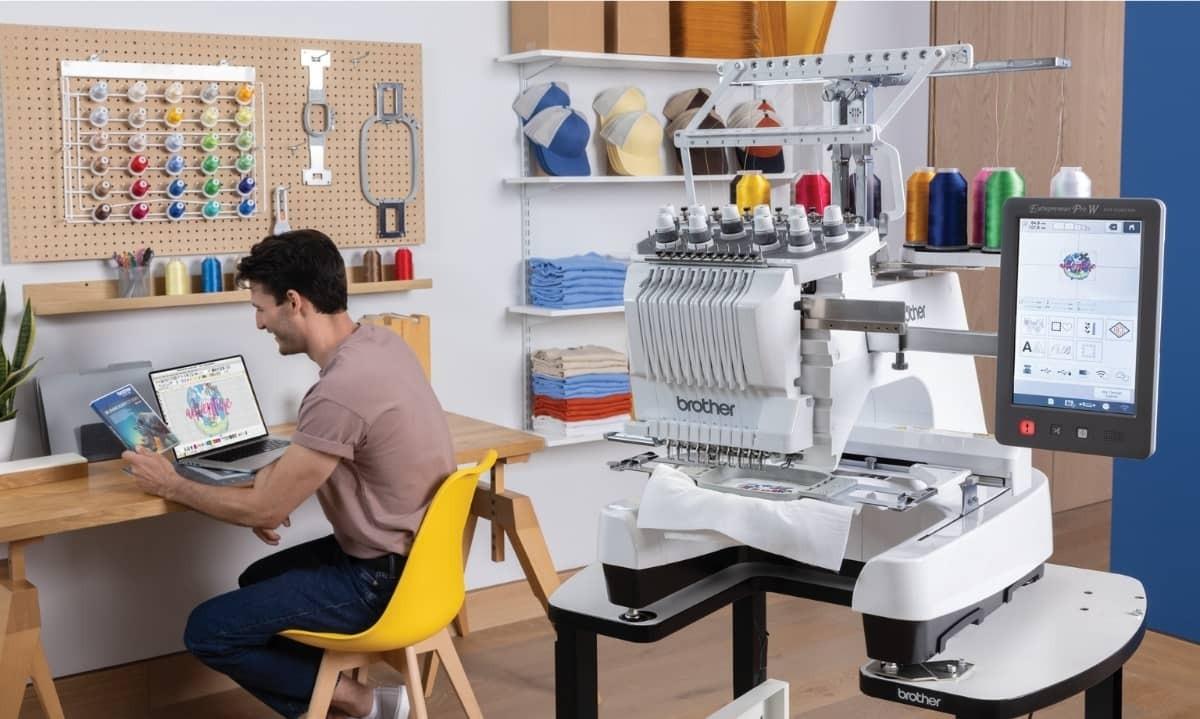
You have a beautiful logo, a hand‑drawn sketch, or a detailed illustration that you want to stitch onto a jacket or a cap. The artwork looks perfect on screen, but when you try to embroider it, the machine produces a tangled mess. The missing link is professional digitizing. Investing in reliable custom embroidery digitizing services ensures your design translates into a flawless stitch file that runs smoothly from the first needle punch.
Why Custom Embroidery Digitizing Services Are the Backbone of Quality Embroidery
Embroidery machines do not read JPEGs or PNGs. They read stitch files that contain thousands of individual commands. A skilled custom embroidery digitizing services provider takes your artwork and manually maps out every stitch path. They decide where to use satin stitches for borders, tatami fills for large areas, and run stitches for fine details. They add underlay to stabilize the fabric, apply pull compensation so shapes stay true, and sequence colors efficiently. The result is a production‑ready file that sews cleanly, saving you time, materials, and frustration.
The Transformation Process: From Artwork to Stitch File
Professional digitizing is not a simple button click. It starts with a clean version of your artwork. The digitizer imports your design into specialized software and uses the pen tool to trace every curve and corner manually. Auto‑trace is avoided because it leaves jagged edges that become bumpy stitch paths. The digitizer then assigns stitch types based on the shape’s purpose. Narrow elements like text and borders get satin stitches, which produce a smooth, shiny surface. Larger filled areas receive tatami stitches, which lay thread in a brick‑like pattern to lie flat and resist snagging. Fine details or underlay are handled with run stitches.
Underlay stitches are the hidden foundation. They go down before the top layer, stabilizing the fabric and preventing shifting. For stable fabrics like denim, a simple edge run and zigzag underlay works. For stretchy knits or performance mesh, the digitizer adds a full tatami underlay with higher density. Pull compensation is another critical step. Thread tension pulls fabric inward as the machine stitches, so the digitizer intentionally widens shapes by fractions of a millimeter to counteract this pull. Finally, the digitizer sequences colors to minimize thread trims and jump stitches, placing light colors before dark ones.
Why Cheap and Auto‑Digitizing Solutions Fail
Many business owners are tempted by low‑cost online converters or auto‑digitizing software. For a simple black‑and‑white shape, these tools sometimes work. For a full‑color logo with curves, small text, or overlapping elements, they fail miserably. Auto‑digitizing produces jagged stitch paths, missing underlay, and no pull compensation. The resulting file causes thread breaks, fabric puckering, and ruined blanks. The money saved on conversion disappears into wasted materials and operator overtime. Professional custom embroidery digitizing services avoid all of these pitfalls by putting a human expert in control.
Fabric‑Specific Digitizing for Consistent Results
The same stitch file behaves differently on different fabrics. A file digitized for a heavy denim jacket will pucker on a lightweight polo shirt. Stretchy fabrics need more pull compensation and heavier underlay. Textured fabrics like pique knit require adjusted stitch angles to prevent thread from sinking into the gaps. Slippery fabrics like nylon need extra underlay and sometimes a water‑soluble topping. A professional digitizer always asks about your fabric before starting. They create a fabric‑specific version of your logo, ensuring consistent quality across hats, jackets, bags, and polos. This attention to detail protects your brand’s reputation and reduces production errors.
The Importance of Testing and Revisions
Even the best digitizer cannot predict every machine variation. That is why professional custom embroidery digitizing services include a test phase. They provide a digital proof and often a physical sew‑out sample on your actual fabric. You run the file on your machine and examine the results under bright light. Look for gaps between fill and border, puckering, thread breaks, or misaligned colors. If you see any issue, send clear photos back. The digitizer adjusts pull compensation, underlay, or stitch angles at no extra charge. This revision process continues until the file sews perfectly. Never skip this step. A single ruined batch of fifty garments costs far more than the time it takes to test.
How Professional Digitizing Saves Time and Money
At first glance, professional digitizing costs more than an online converter. A standard logo runs ten to twenty‑five dollars, while an auto‑converter charges three to five dollars. But look at the total cost of ownership. A poor file costs you at least one ruined garment, an hour of operator time, and the frustration of a delayed order. Multiply that by several designs per week, and you lose hundreds of dollars monthly. Professional digitizing eliminates that waste. A well‑digitized file sews correctly on the first or second test. Your operators stay productive. Your materials stay out of the trash. Your customers receive their orders on time. The upfront investment pays for itself many times over.
Common Uses for Custom Embroidery Digitizing
Custom embroidery digitizing serves a wide range of applications. Businesses use it to create branded uniforms, promotional caps, and employee recognition patches. Sports teams digitize their logos for jerseys and fan merchandise. Fashion brands digitize custom designs for limited‑edition collections. Individuals use digitizing for personal projects like family crests, pet portraits, or hobbyist patches. In every case, professional digitizing ensures the final embroidered product looks crisp, lasts for years, and reflects the quality of the original artwork.
Why Needle Digitizing Excels at Custom Embroidery Digitizing
If you need a reliable partner to turn your artwork into perfect stitch files, Needle Digitizing delivers. Their team manually digitizes every design, applying the right stitch types, fabric‑specific underlay, and precise pull compensation. They provide digital proofs and physical test sew‑outs. They offer free revisions until your logo stitches exactly as you envisioned. They handle any file format, from DST to PES to EXP. For businesses and individuals who cannot afford production delays or poor embroidery quality, Needle Digitizing provides the expertise and consistency you need.
Conclusion
Custom embroidery digitizing services are the unsung heroes of quality embroidery. They transform flat artwork into precise stitch files by manual tracing, appropriate stitch types, fabric‑specific underlay, accurate pull compensation, and optimized color sequencing. Auto‑digitizing and online converters cannot match this level of quality. Investing in professional digitizing saves you time, materials, and frustration while ensuring your embroidered logos look crisp, consistent, and durable. Whether you run a small shop or a large production facility, partner with a skilled digitizer who treats your design with care. Your machine, your operators, and your brand will all thank you.

 English
 Arabic
 Spanish
 Portuguese
 Deutsch
 Turkish
 Dutch
Dutch
 Italiano
 Russian
 Romaian
 Portuguese (Brazil)
 Greek
Greek