English
 Arabic
 French
 Spanish
 Portuguese
 Deutsch
 Turkish
 Dutch
Dutch
 Italiano
 Russian
 Romaian
 Portuguese (Brazil)
 Greek
Greek
Net Worth Insights - Sam Phillips and Jade Hsu Wealth Profiles
Other |
2026-06-22 11:30:35
Acne-prone skin often needs more than basic cleansing and moisturizing. When pores become clogged with excess oil, dead skin cells, and other impurities, they can develop into blackheads, whiteheads, and inflammatory breakouts. This is where targeted skincare ingredients can make a difference.
One ingredient that has become widely used in acne-focused skincare is salicylic acid. It is a type of beta hydroxy acid (BHA) known for its ability to penetrate into pores and help remove buildup. When formulated into a serum, salicylic acid can become a useful addition to a skincare routine for people dealing with oily skin, clogged pores, and recurring breakouts.
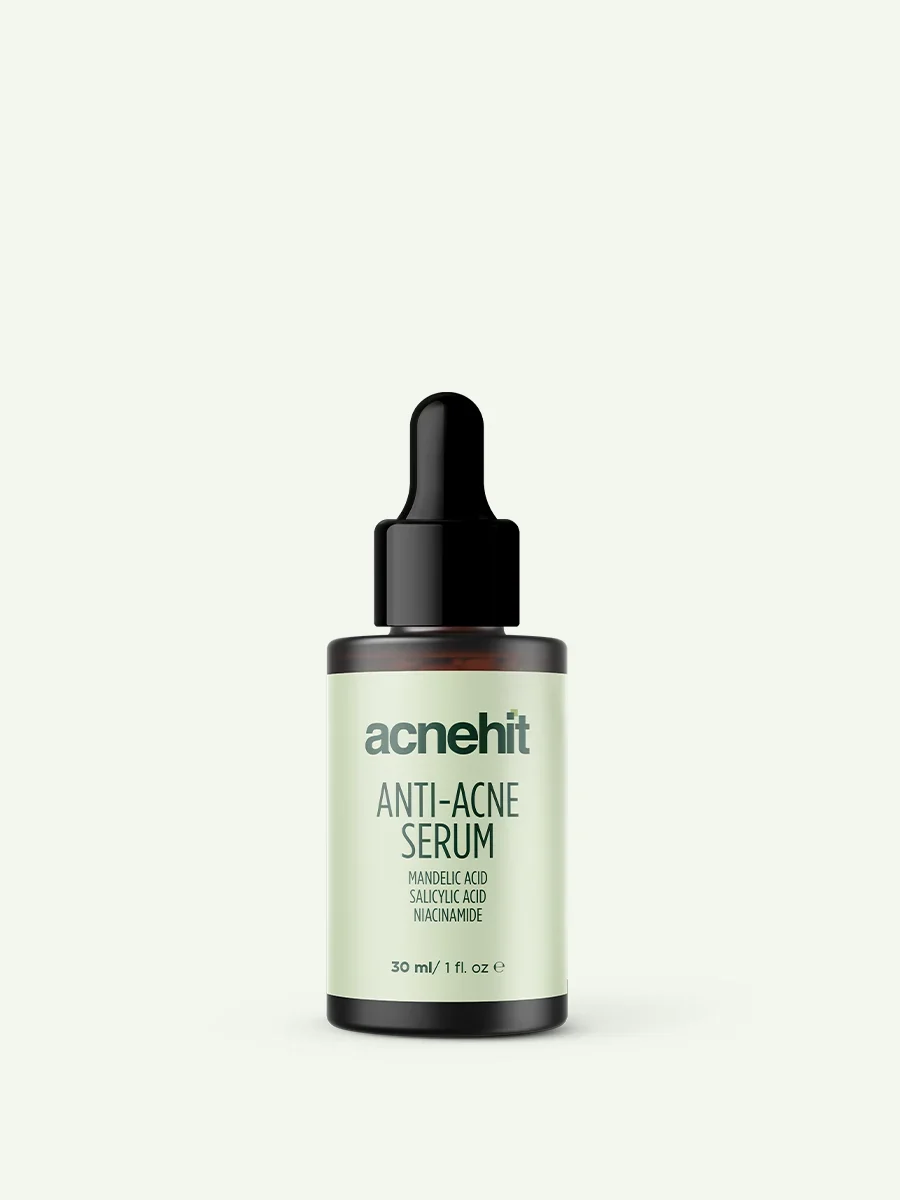
AcneHit's Anti-Acne Serum is designed for acne-prone skin and can be incorporated into a consistent skincare routine alongside a gentle cleanser and moisturizer.
In this guide, we'll explain how salicylic acid serum works, its potential benefits, how to use it, and what to consider when adding it to your routine.
Salicylic acid is a beta hydroxy acid, commonly known as BHA. Unlike many water-soluble exfoliating ingredients, salicylic acid is oil-soluble. This property allows it to work within the oily environment of pores.
When dead skin cells and excess sebum accumulate inside a pore, they can contribute to blockages. These blockages may appear as blackheads, whiteheads, or other types of acne.
Salicylic acid helps exfoliate dead skin cells and reduce the buildup that can contribute to clogged pores.
Because of these properties, salicylic acid is commonly included in skincare products designed for oily and acne-prone skin.
A salicylic acid serum is typically formulated to deliver salicylic acid directly to the skin. Its main role is exfoliation and helping keep pores clearer.
Here's a simplified look at how it works:
Your skin naturally sheds dead cells. However, when these cells accumulate on the skin's surface or mix with excess oil inside pores, they can contribute to congestion.
Salicylic acid helps loosen and remove dead skin cells, supporting smoother-looking skin.
Because salicylic acid is oil-soluble, it can work within pores where oil and debris accumulate.
Regular use may help reduce the buildup responsible for clogged pores, making it particularly useful for people who frequently experience blackheads and whiteheads.
People with oily skin may produce more sebum than their skin needs. Excess oil can combine with dead skin cells and contribute to blocked pores.
Salicylic acid can help manage the appearance of oily and congested skin as part of a balanced skincare routine.
By helping remove accumulated dead skin cells, salicylic acid can improve the texture of the skin.
With consistent use, skin may feel smoother and look more refined.
There are several reasons salicylic acid is commonly used in acne-focused skincare.
Here are some of the key salicylic acid serum benefits:
Clogged pores are one of the common contributors to acne. Salicylic acid helps exfoliate inside pores, which can make it easier to manage congestion.
Blackheads and whiteheads form when pores become blocked. Regular use of a suitable salicylic acid product can help keep pores clearer and reduce the buildup associated with these types of blemishes.
Salicylic acid can be particularly useful for oily and combination skin. By helping manage oil and pore buildup, it can support a cleaner-looking complexion.
Accumulated dead skin cells can leave the skin looking rough or uneven. Exfoliation with salicylic acid can help create a smoother skin surface.
Acne management usually requires consistency rather than relying on a single product. A properly formulated salicylic acid serum can become one part of a simple daily or weekly skincare routine.
Salicylic acid serum may be suitable for people experiencing:
Oily skin
Combination skin
Blackheads
Whiteheads
Clogged pores
Occasional breakouts
Uneven skin texture
Excessive oiliness
However, not every skin type responds to salicylic acid in the same way.
People with very sensitive, dry, or easily irritated skin may need to introduce it more slowly.
If you're already using several exfoliating or acne-treatment products, adding another active ingredient may increase the possibility of dryness or irritation.
Adding an anti acne serum to your routine doesn't have to make your skincare routine complicated.
A basic routine could look like this:
Morning:
Cleanse your face with a gentle cleanser.
Apply a lightweight moisturizer.
Finish with sunscreen.
Evening:
Cleanse your face.
Apply your serum as directed.
Follow with a moisturizer.
If you're new to salicylic acid, start gradually instead of immediately using it frequently.
Apply a small amount to clean, dry skin and allow your skin to adjust. If your skin tolerates the product well, you can gradually increase usage according to the product's directions.
Always follow the instructions provided with the specific formulation you're using.
The ideal frequency depends on the product formulation and your skin's tolerance.
If you're new to salicylic acid, starting with less frequent application can help you determine how your skin reacts.
For example, you may begin by using the serum a few times per week rather than applying it every day.
Pay attention to signs of irritation such as:
Excessive dryness
Burning
Persistent redness
Peeling
Increased sensitivity
If these occur, reduce usage or stop using the product and allow your skin to recover.
More frequent application does not necessarily mean better results. Consistency and tolerability are more important.
Yes. Although salicylic acid can be useful for oily and acne-prone skin, overuse may cause dryness or irritation.
This is especially possible when the product is combined with other strong exfoliating ingredients or acne treatments.
That's why moisturizing is an important part of an acne skincare routine.
A good moisturizer can help support the skin barrier while you use active ingredients.
Salicylic acid doesn't necessarily need to be the only active ingredient in an acne skincare routine.
However, combining multiple active ingredients requires caution.
For example, using several exfoliating acids at the same time may increase irritation. Similarly, introducing multiple new acne products simultaneously can make it difficult to determine which product is causing dryness or sensitivity.
A simple routine is often easier to maintain:
Cleanser → Treatment Serum → Moisturizer → Sunscreen
The exact products and frequency should depend on your skin type and the formulation you're using.
Skincare results usually take time.
Some people may notice that their skin feels smoother after using an exfoliating product, while improvements in recurring breakouts and congestion can take longer.
Factors such as acne severity, skin type, product formulation, frequency of use, and consistency can all influence results.
Instead of expecting overnight changes, focus on using the product consistently and monitoring how your skin responds.
If your acne is persistent, painful, severe, or leaving significant scars, skincare products alone may not be enough. A dermatologist can help determine an appropriate treatment plan.
Applying more product does not necessarily produce faster results. Excessive use can increase dryness and irritation.
If your skin is new to salicylic acid, daily use may be too much initially.
Start gradually and adjust based on your skin's tolerance.
Some people with oily skin avoid moisturizer because they think it will make their skin oilier.
However, maintaining skin hydration is still important, particularly when using exfoliating ingredients.
A daytime sunscreen should be part of a skincare routine, especially when using exfoliating products.
Using several acids and acne treatments simultaneously can make the routine unnecessarily irritating.
Introduce new products one at a time whenever possible.
When choosing a salicylic acid serum, don't focus only on marketing claims.
Consider the following factors:
Oily and combination skin may particularly benefit from salicylic acid, while sensitive or dry skin may require a more cautious approach.
Look at the complete ingredient list rather than focusing on salicylic acid alone. Supporting ingredients can influence how comfortable the product feels on the skin.
Always check how frequently the manufacturer recommends using the serum.
If you already use exfoliating acids, retinoids, benzoyl peroxide, or other active treatments, consider whether adding another active ingredient could cause unnecessary irritation.
AcneHit's Anti-Acne Serum is formulated as part of a skincare routine for acne-prone skin.
When incorporating an acne serum into your routine, consistency is important. The serum should work alongside basic skincare steps such as gentle cleansing, moisturizing, and daytime sun protection.
Rather than using multiple products at once, build a routine that your skin can tolerate and maintain consistently.
Salicylic acid can be a useful ingredient for people dealing with clogged pores, blackheads, whiteheads, and excess oil.
Its oil-soluble nature allows it to work on buildup associated with clogged pores, making it a popular ingredient in acne-focused skincare.
However, the best routine depends on individual skin needs. A product that works well for oily skin may not be ideal for someone with very dry or sensitive skin.
Start gradually, avoid over-exfoliation, moisturize regularly, and pay attention to how your skin responds.
Salicylic acid is one of the most commonly used ingredients for acne-prone and congested skin because of its ability to exfoliate and work within pores.
A well-formulated salicylic acid serum can help support clearer-looking pores, smoother skin, and better management of excess oil when used consistently and appropriately.
AcneHit's Anti-Acne Serum can be incorporated into a straightforward skincare routine alongside cleansing, moisturizing, and sunscreen.
The key is not simply adding more active ingredients. A consistent routine, appropriate product use, and patience are essential when caring for acne-prone skin. If breakouts are severe, painful, persistent, or causing scarring, professional dermatological advice is recommended.