
What Happens During a Tummy Tuck Procedure?
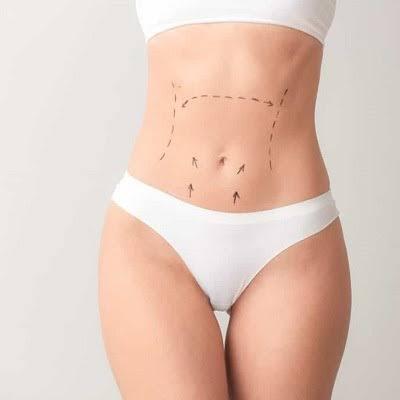
A Tummy Tuck in Dubai, medically known as abdominoplasty, is a body-contouring procedure used to improve the appearance and structure of the abdominal area. It may be considered by people who have loose or excess skin after significant weight changes, pregnancy, or natural aging. Depending on the patient's anatomy and treatment goals, surgery may also address separation or weakness of the abdominal muscles.
Understanding what happens during a tummy tuck can help patients prepare realistically for the procedure. The exact surgical approach varies according to individual anatomy, the amount of excess tissue, and the surgeon's assessment.
What Happens Before Tummy Tuck Surgery?
The process begins with a detailed consultation and medical assessment. A qualified surgeon reviews the patient's medical history, previous surgeries, medications, lifestyle factors, and expectations. The abdomen is examined to determine the amount and location of excess skin and whether abdominal muscle laxity is present.
During this stage, the surgeon may discuss different surgical approaches, including a full or mini tummy tuck. Patients should also disclose previous abdominal procedures, existing medical conditions, and any medications or supplements they use.
A personalized surgical plan is then developed. This planning helps establish the intended incision location, treatment area, and approach to tissue removal or abdominal muscle repair.
How Is Anesthesia Administered?
Tummy tuck surgery is generally performed under general anesthesia, meaning the patient is asleep and does not feel the surgical procedure.
An anesthesia professional monitors vital signs throughout the operation, including breathing, heart rate, blood pressure, and oxygen levels. The specific anesthesia plan depends on the patient's health and the surgical setting.
Before surgery, the medical team explains anesthesia-related instructions, including fasting requirements and which medications may need to be adjusted.
How Does the Surgeon Make the Incision?
Once anesthesia has taken effect, the surgeon begins the procedure by making an incision in the lower abdomen. The location and length of the incision depend on the surgical technique and the amount of skin requiring removal.
For a full tummy tuck, the incision commonly extends across the lower abdomen, while another incision may be made around the navel. Surgeons carefully plan incisions to place resulting scars as discreetly as reasonably possible.
The skin is then separated from the underlying abdominal tissues so that the surgeon can access the area requiring correction.
Is Abdominal Muscle Tightening Part of a Tummy Tuck?
In some patients, the abdominal wall may have become stretched or weakened, particularly after pregnancy or major weight changes. If appropriate, the surgeon may repair or tighten the underlying abdominal muscles.
This step is different from simply removing excess skin. Muscle repair addresses the deeper abdominal wall, while skin removal focuses on excess tissue.
Not every patient requires muscle tightening. Whether it is appropriate depends on the individual's anatomy and the findings during assessment.
How Is Excess Skin Removed?
After the abdominal tissues have been addressed, the surgeon removes predetermined excess skin and tissue from the lower abdomen.
The remaining skin is repositioned to create a smoother abdominal contour. The surgeon works carefully to maintain appropriate tissue positioning and avoid excessive tension on the incision.
In a full tummy tuck, the navel may need to be repositioned through a new opening in the tightened abdominal skin so that its placement remains natural.
How Are the Incisions Closed?
Once the surgical corrections are complete, the surgeon closes the incisions using appropriate suturing techniques. Depending on the procedure, additional measures may be used to manage fluid accumulation during the early healing period.
Dressings or compression garments may also be applied according to the surgeon's postoperative protocol.
The goal is not simply to remove as much skin as possible. Safe tissue handling, appropriate tension, and careful closure are important considerations for healing and the appearance of the surgical area.
What Happens Immediately After the Procedure?
After surgery, the patient is moved to a monitored recovery area. Medical professionals observe vital signs and assess the patient's initial recovery from anesthesia.
Some discomfort, swelling, tightness, bruising, and temporary changes in sensation around the abdomen can occur during the early recovery period. These experiences vary between individuals.
Patients receive postoperative instructions covering wound care, movement, medication, sleeping positions, compression garments when recommended, and follow-up appointments.
Walking may be encouraged relatively early after surgery because gentle movement can support circulation, although activity must remain within the surgeon's instructions.
What Is Tummy Tuck Recovery Like?
Recovery continues after the patient leaves the surgical facility. The abdomen may remain swollen for some time, and the final contour develops gradually as tissues heal.
Patients typically need to avoid strenuous exercise and heavy lifting until their surgeon confirms that these activities are appropriate. Returning to work and normal activities depends on the surgical technique, overall health, type of work, and individual healing progress.
Following postoperative instructions carefully is an important part of achieving a safe recovery.
Tummy Tuck at Tajmeels Clinic in Dubai
At tajmeels clinic dubai, tummy tuck treatment can be approached through an individualized assessment of the patient's abdominal anatomy, concerns, and aesthetic goals. The consultation process allows the medical team to determine whether tummy tuck surgery is appropriate and which approach may be suitable.
Patients can discuss their expectations, surgical technique, recovery considerations, and postoperative care during their consultation. A personalized treatment plan helps ensure that the procedure is considered in the context of the patient's individual needs rather than using the same approach for everyone.
Final Thoughts
A tummy tuck involves several carefully planned stages, from preoperative assessment and anesthesia to incision placement, excess skin removal, possible abdominal muscle repair, and surgical closure. Recovery then becomes an important part of the overall treatment process.
Anyone considering tummy tuck in Dubai should have a detailed consultation with a qualified medical professional to understand the potential benefits, limitations, risks, and recovery requirements associated with the procedure.
More Information
Tajmeels Clinic Dubai
WhatsApp: +971 56 203 8751
Phone: tel:+971 43739000
Social Media:

 English
 French
 Spanish
 Portuguese
 Deutsch
 Turkish
 Dutch
Dutch
 Italiano
 Russian
 Romaian
 Portuguese (Brazil)
 Greek
Greek