
How Long Does Mounjaro Injection Stay Active in the Body?
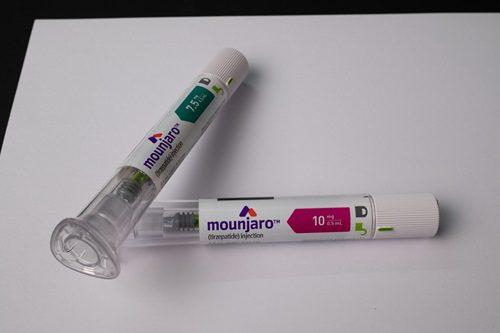
Mounjaro injection in Dubai is a prescription medicine containing tirzepatide, which is used under medical supervision for certain metabolic conditions and weight-management goals. One of the common questions people have before starting treatment is how long a dose remains active in the body.
Understanding the medication’s duration can help patients develop realistic expectations about appetite changes, blood sugar effects, dosing schedules, and treatment monitoring. Although Mounjaro has a relatively long duration of action, the exact experience can vary between individuals.
How Long Does Mounjaro Stay in the Body?
Tirzepatide has an approximate five-day half-life, meaning the amount of medication in the body gradually decreases over several days. It can take multiple half-lives for most of a medicine to be eliminated from the body.
Because of this long half-life, Mounjaro is generally administered once weekly when prescribed for an approved indication. The weekly schedule allows tirzepatide to maintain its effects over an extended period rather than requiring daily administration.
However, “staying in the body” and “producing noticeable effects” are not exactly the same thing. A medication can remain present in the bloodstream while its noticeable effects gradually change.
Why Does Mounjaro Work for Several Days?
Mounjaro contains tirzepatide, a medication that activates receptors associated with GIP and GLP-1, two hormones involved in metabolic regulation.
These pathways can influence several processes, including:
- Appetite and food intake
- Blood glucose regulation
- Insulin response
- Gastric emptying
- Feelings of fullness after eating
Its relatively long half-life supports once-weekly dosing. The medicine is designed to provide sustained pharmacological activity rather than producing only a short-term effect after each injection.
Does Mounjaro Remain Equally Strong Throughout the Week?
Not necessarily. The concentration of tirzepatide gradually changes after an injection. While the medicine remains active, its level in the body is not identical every day.
Some people may notice changes in appetite or fullness throughout the week, while others may experience relatively consistent effects. Individual responses can depend on the prescribed dose, treatment duration, metabolism, eating habits, and other personal factors.
Patients should not change the frequency or amount of Mounjaro based solely on how they feel during the week. Dose adjustments should always be discussed with the prescribing healthcare professional.
What Happens After Repeated Weekly Injections?
When Mounjaro is administered regularly, each weekly dose is given while some of the previous dose may still be present in the body. This contributes to a gradual build-up of tirzepatide.
With consistent dosing, the body reaches a steady-state concentration, where the amount entering the body and the amount being eliminated become relatively balanced over time.
This is one reason why treatment results should not always be judged after a single injection. Healthcare professionals generally assess progress over a longer period and consider factors such as response, tolerability, medical history, and treatment goals.
How Long Can Mounjaro Effects Be Noticeable?
The duration of noticeable effects varies from person to person. Appetite changes, satiety, digestive effects, and other treatment responses may differ depending on individual biology and the prescribed dose.
It is also important to understand that Mounjaro is not intended to create an immediate or permanent change after one injection. Weight management typically involves ongoing treatment alongside appropriate nutrition, physical activity, and medical follow-up when prescribed for that purpose.
If a person stops treatment, tirzepatide levels gradually decline rather than disappearing immediately. The timeline for medication clearance and changes in its effects can vary.
Factors That May Influence How Your Body Responds
Several factors can affect how a person experiences Mounjaro, including:
Prescribed Dose
Different doses produce different levels of tirzepatide exposure. Healthcare professionals may gradually increase the dose when appropriate to improve tolerability and treatment response.
Treatment Duration
The body's exposure to tirzepatide changes during the early stages of treatment as repeated doses accumulate.
Individual Metabolism
People process medicines differently. Body composition, overall health, kidney or liver function, and other individual factors can influence medication handling.
Other Medications
Other medicines may affect treatment decisions or require additional monitoring. Patients should provide their healthcare professional with a complete list of medicines and supplements they use.
Lifestyle Factors
Eating patterns, physical activity, hydration, sleep, and other lifestyle factors can influence how a person experiences a weight-management program.
What If You Miss a Mounjaro Dose?
Mounjaro has specific instructions for missed doses. Patients should follow the prescribing information provided with their medication and seek advice from their healthcare professional if they are uncertain about what to do.
It is important not to take extra medication simply because a dose was missed. The correct approach can depend on how much time has passed since the scheduled injection.
Medical Monitoring Is Important
Because Mounjaro is a prescription medication, treatment should be based on an appropriate medical assessment. A healthcare professional can determine whether tirzepatide is suitable, review relevant medical factors, discuss potential side effects, and monitor the response over time.
This is particularly important for people taking other medications or those with existing medical conditions. Self-adjusting the dose or injection schedule can increase the risk of unwanted effects.
Mounjaro Treatment at Tajmeels Clinic
At tajmeels clinic dubai, Mounjaro treatment can be approached as part of an individualized medical weight-management plan. The clinical team can assess the patient's goals, medical background, current health status, and response to treatment before determining an appropriate approach.
Ongoing monitoring can help evaluate how the patient is responding rather than relying on assumptions about how long the medication should “feel” active. This personalized approach also allows treatment decisions to be reviewed as progress develops.
Final Thoughts
Mounjaro's active ingredient, tirzepatide, has an approximate five-day half-life, which supports its once-weekly administration. Although the medicine remains in the body for several days after an injection, its concentration gradually decreases and individual experiences can differ.
Understanding the medication's duration is useful, but treatment should always be guided by a qualified healthcare professional. A personalized assessment and regular monitoring can help ensure that Mounjaro is being used appropriately for the patient's medical needs and treatment goals.
More Information
Tajmeels Clinic Dubai
WhatsApp: +971 56 203 8751
Phone: tel:+971 43739000
Social Media:

 English
 French
 Spanish
 Portuguese
 Deutsch
 Turkish
 Dutch
Dutch
 Italiano
 Russian
 Romaian
 Portuguese (Brazil)
 Greek
Greek