
How to Turn Family Wedding Albums Into a Personalized Illuminated Photo Display
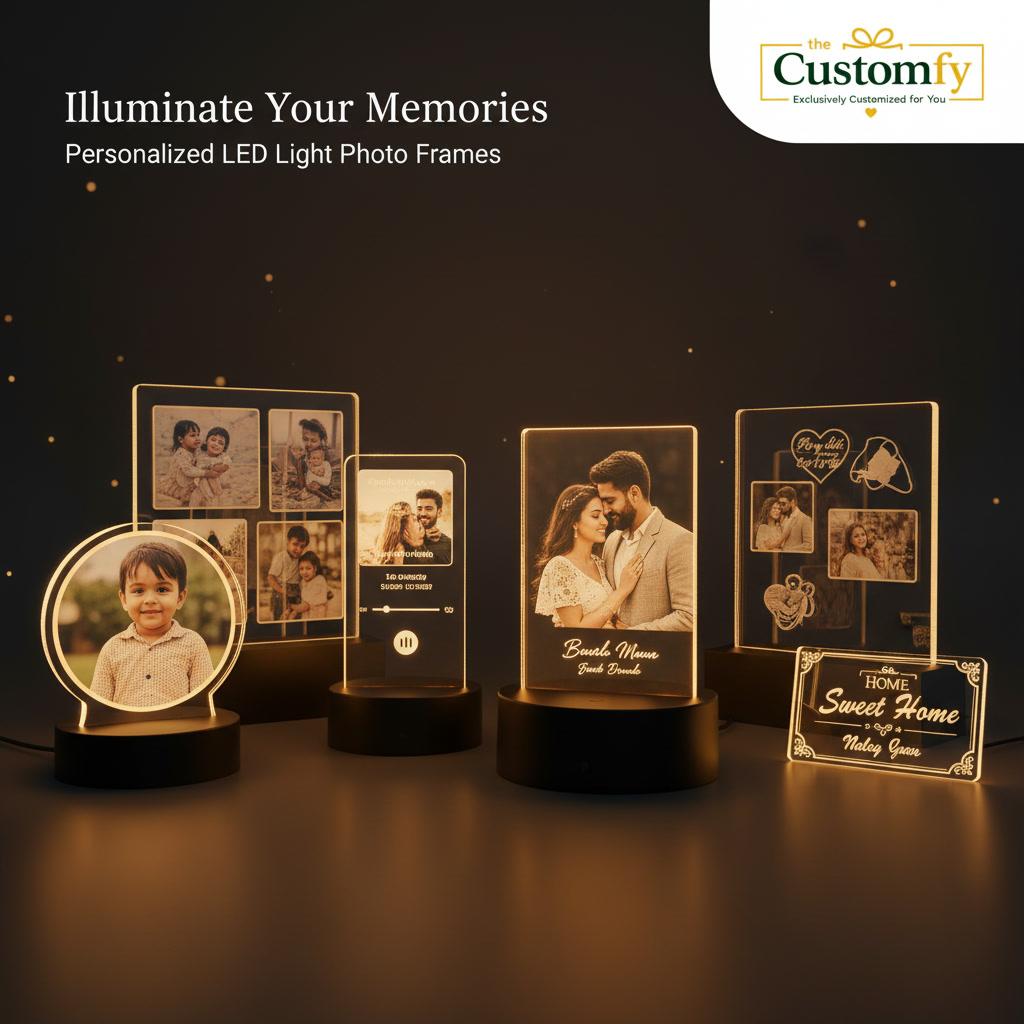
Family wedding albums hold more than photographs. They preserve stories of how couples met, the traditions families followed, and the moments relatives still talk about years later. Turning these pictures into an illuminated display offers a way to bring those memories out of the album and into everyday life.
A lighting photo frame can showcase a favourite wedding portrait, a photograph of parents or grandparents on their wedding day, or a collection of meaningful family moments. With thoughtful photo selection and careful personalisation, an old memory can become a display that connects different generations.
Here is how to transform family wedding photographs into a personalised illuminated keepsake while preserving the stories behind them.
1. Start by Exploring Your Family Wedding Albums
Before choosing a frame, take time to look through your family albums. You may find photographs of your grandparents' wedding, your parents' marriage ceremony, a sibling's wedding, or celebrations that brought relatives together from different places.
Rather than selecting images only because they look attractive, consider the memories and relationships they represent.
Look for photographs such as:
-
A couple's main wedding portrait.
-
A candid moment from the ceremony or reception.
-
A photograph showing traditional wedding clothing or customs.
-
A family group portrait with several generations.
-
A picture of relatives who played an important role in the celebration.
Ask older family members about unfamiliar photographs. They may remember people's names, the wedding location, or a detail that is not recorded in the album. These stories can help you choose an image with lasting personal significance.
2. Digitise Older Photographs Carefully
Many older wedding photographs exist only as printed copies. If you want to use one in a personalised illuminated display, you may need to create a digital version first.
A flatbed scanner is a useful option for loose prints. A smartphone scanning app can also work for suitable photographs when a scanner is unavailable. Use even lighting, avoid glare, and keep the camera or scanner aligned with the photograph.
For prints that are fragile, stuck to album pages, curled, or damaged, avoid forcing them flat or pulling them from their mounts. Consider asking a professional scanning service for help.
Once digitised, check the image for clarity, colour, cropping, and visible damage. Keep an untouched copy of the scan before making any edits. Store another copy in a separate location so the digital photograph is not lost if a device fails.
Preserve the original album and prints as well. A digital copy makes a photograph easier to use, but it does not replace the historical value of the original.
3. Choose Photographs That Tell a Family Story
The best display does not necessarily need the largest number of photographs. A carefully chosen image can communicate a great deal when it represents an important family memory.
You can approach the selection in several ways.
Focus on one generation. Use a wedding portrait of your parents or grandparents to celebrate their relationship and the family history that followed.
Connect different generations. Choose photographs from two or three family weddings, creating a visual connection between older and newer celebrations.
Highlight a meaningful tradition. Select an image featuring a family custom, traditional attire, or a ceremony that has remained important over time.
Include a candid memory. A natural photograph of relatives laughing or sharing a special moment may feel more personal than a formal portrait.
If you are creating a gift, ask which memories matter most to the recipient. A photograph that brings back a specific story will often feel more meaningful than an image selected purely for its appearance.
4. Select a Frame Design That Suits the Photographs
Once you have chosen the image, consider how it will look when illuminated. A light photo frame can make a photograph more noticeable, but the design should support the picture rather than distract from it.
A few practical points can help you choose:
-
Portrait orientation: Suitable for many traditional wedding portraits and individual couple photographs.
-
Landscape orientation: Can work well for group photographs and wider ceremony scenes.
-
Simple borders: Help keep the focus on older photographs with detailed backgrounds or traditional clothing.
-
Personalised text: Names, a wedding date, or a short family message can make the display more specific to the people pictured.
For photographs with several people, check that faces will remain visible after cropping. If the image is faded or low-resolution, test how it looks at the intended display size before finalising the design.
You can explore Customfy's LED light photo frames collection for inspiration when considering a personalised display.
5. Add Personal Details Without Overcrowding the Design
Personalisation can help explain why a photograph matters, especially when the display features a wedding from many years ago.
Consider adding a couple's names, the wedding year, or a short line such as “A family story that continues.” For a grandparents' anniversary, you might use their names and wedding date. For a family keepsake, a simple phrase about shared memories may be more suitable.
Keep the text brief and readable. Older photographs often contain enough visual detail on their own, so adding several captions, decorative elements, and dates can make the finished design feel crowded.
Before confirming the layout, double-check names, spelling, dates, and family relationships. This is particularly important when using photographs from older albums, where dates may be approximate or handwritten notes may be difficult to read.
If you are unsure about a detail, verify it with a relative rather than guessing.
6. Plan Where the Illuminated Display Will Go
The intended location affects the frame size, orientation, and lighting you should choose.
Living room: A family wedding portrait can become a conversation starter on a shelf or console. Choose a size that can be seen comfortably without dominating the space.
Bedroom: A smaller display featuring a parents' or grandparents' wedding photograph can create a personal corner of family memories.
Family gallery: If you already display framed photographs, consider how the illuminated frame will sit alongside them. A consistent arrangement can help different generations' photographs feel connected.
Study or reading area: A compact display can keep an important family memory close without requiring a large wall space.
Check the power source, cable placement, and brightness requirements before deciding on a location. Avoid placing the display where direct sunlight, moisture, or excessive heat could affect the photograph or frame.
7. Turn the Display Into a Thoughtful Family Gift
A personalised illuminated photograph can be especially meaningful for wedding anniversaries, milestone birthdays, family reunions, or celebrations honouring parents and grandparents.
For an anniversary, you could use the couple's original wedding portrait and include the year they married. For a family reunion, a display featuring wedding photographs from different generations could encourage relatives to share stories and identify people in older pictures.
You could also present the frame alongside a handwritten note explaining the photograph's history. Include details such as who took the picture, where the wedding took place, or why the family has kept it for so long.
The note does not need to be elaborate. Even a few accurate details can help future generations understand the significance of the image.
How to Prepare Before Ordering a Personalised Frame
Use this checklist to avoid common problems:
-
Choose a photograph that has clear personal meaning.
-
Confirm the names, date, and story associated with the image.
-
Digitise the photograph at a suitable quality.
-
Keep a backup of the original scan.
-
Check the frame's dimensions and image orientation.
-
Review the cropping and placement of faces.
-
Confirm all personalised text before approving the design.
-
Check the power source and intended display location.
Taking these steps helps ensure the final display reflects the family memory you want to preserve.
Conclusion
Turning family wedding albums into an illuminated display is a practical way to celebrate relationships and preserve stories that might otherwise remain tucked away on a shelf. The process begins with selecting a meaningful photograph, digitising it carefully, and choosing a design that suits the image.
A personalised lighting photo frame can bring a parents' wedding portrait, a grandparents' cherished memory, or a series of family celebrations into everyday view. By adding accurate details and keeping the design balanced, you can create a keepsake that honours the past while remaining part of the family's present.
FAQs
1. Can old wedding album photographs be used in an illuminated photo frame?
Yes, provided the photograph can be digitised at a suitable quality. Scan loose prints carefully, and seek professional help for fragile or stuck photographs that could be damaged during removal.
2. Which family wedding photographs are best for a personalised display?
Formal couple portraits, candid ceremony photographs, family group pictures, and images showing meaningful traditions can all work well. Choose a photograph that has personal significance and enough clarity for the intended size.
3. How can I improve the quality of an old wedding photograph?
Start with a good scan or digital capture. Basic adjustments to brightness, contrast, and colour may help, but keep an untouched copy of the original. Extensive damage may require professional restoration.
4. What personal details should I add to a family wedding photo frame?
Names, the wedding year, a verified date, or a short family message are useful options. Keep the text brief and check every detail with relatives when the original information is uncertain.
5. Is an LED photo frame suitable as a gift for parents or grandparents?
It can be a thoughtful choice when the photograph reflects a memory they value. Consider their home, preferred display space, the frame's power requirements, and whether the design is easy for them to use.

 English
 Arabic
 French
 Spanish
 Portuguese
 Deutsch
 Dutch
 Italiano
 Russian
 Romaian
 Portuguese (Brazil)
 Greek