
Steel Rust Protection: Best Practices for Preventing Corrosion in Industrial Applications
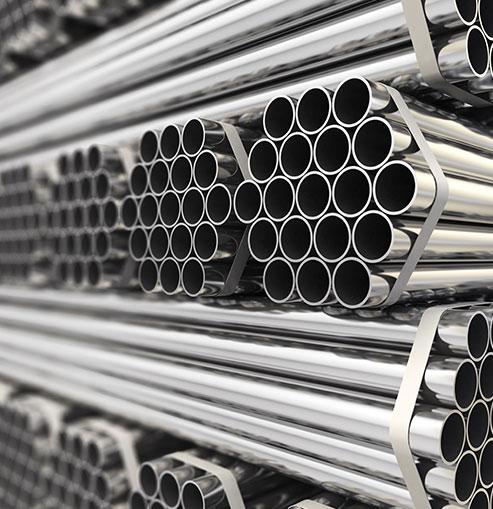
Steel is valued for its strength, durability, and versatility across numerous industries. However, exposure to moisture, oxygen, chemicals, and changing environmental conditions can lead to rust formation. Over time, corrosion may affect the appearance, reliability, and performance of steel components. Implementing effective steel rust protection methods helps businesses maintain metal quality, reduce maintenance requirements, and extend the useful life of industrial equipment.
Understanding the Importance of Steel Rust Protection
Rust develops when iron in steel reacts with oxygen and moisture. This process gradually creates corrosion that can damage metal surfaces and compromise their performance. Industries that manufacture, process, store, or transport steel components must take appropriate precautions to minimise these risks.
Effective rust prevention is particularly important for automotive parts, machine components, fabricated steel products, tools, and industrial equipment. A suitable protection strategy helps preserve surface quality and reduces the likelihood of corrosion-related rework or material loss.
Common Causes of Rust Formation on Steel
Several environmental and operational factors contribute to steel corrosion. Moisture exposure is one of the most common causes, especially when steel components are stored in humid environments. Salt, airborne contaminants, certain chemicals, and residues left after machining can also increase corrosion risks.
Improper storage and handling may further expose untreated steel surfaces to moisture and contaminants. Identifying these factors allows manufacturers to select appropriate protection methods based on their specific working conditions.
Effective Methods for Protecting Steel from Rust
1. Apply Rust Preventive Oil
Rust preventive oil is widely used to protect steel components during manufacturing, storage, and transportation. It forms a protective film over the metal surface, helping limit contact with moisture and other corrosion-causing elements.
The right formulation depends on the application, required protection period, and environmental conditions. Some products are designed for short-term protection, while others offer longer-lasting corrosion resistance for industrial components.
2. Use Suitable Protective Coatings
Protective coatings, including primers and specialised surface treatments, help create a barrier between steel and the surrounding environment. These solutions are commonly used for fabricated steel structures, machinery, and metal products that require additional corrosion resistance.
Before applying a coating, the steel surface should be prepared according to the product manufacturer's recommendations. Proper preparation supports coating adhesion and helps improve protection.
3. Keep Steel Surfaces Clean and Dry
Cleaning steel components before storage or treatment helps remove dirt, moisture, and machining residues that may contribute to corrosion. Appropriate drying procedures are equally important because trapped moisture can encourage rust formation.
Regular inspection of stored components can also help identify early signs of corrosion before they develop into more serious problems.
4. Improve Storage and Handling Practices
Steel components should be stored in suitable conditions that minimise exposure to moisture and contaminants. Adequate ventilation, dry storage areas, and appropriate packaging can help reduce the risk of rust during transportation and warehousing.
For sensitive components, combining suitable packaging with a compatible rust preventive product may provide additional protection.
Benefits of Effective Steel Rust Protection
A well-planned corrosion prevention strategy can provide several operational advantages. It helps preserve the surface finish of steel components, supports product quality, and reduces the need for rust removal and corrective maintenance.
Effective protection can also help minimise material wastage and maintain the condition of components during storage and transportation. For manufacturers, these improvements can contribute to more efficient production processes and better management of maintenance costs.
How to Select the Right Rust Protection Solution
Choosing a suitable steel rust protection product requires consideration of several factors. These include the steel grade, surface condition, exposure to moisture, storage duration, operating environment, and whether the protective layer must be removed before the next manufacturing stage.
Manufacturers should also consider application methods, compatibility with other processing fluids, and the required level of corrosion resistance. Reviewing technical data sheets and testing products under actual operating conditions can help determine the most appropriate solution.
Steel Rust Protection Solutions from Zavenir Daubert
Zavenir Daubert specialises in corrosion protection and metalworking solutions for industrial applications. Selecting an appropriate rust preventive product can help businesses protect steel components and maintain their condition throughout manufacturing, storage, and transportation.
By combining suitable corrosion protection products with proper cleaning, handling, and storage practices, businesses can develop a more effective approach to managing rust-related challenges.
Explore industrial corrosion protection solutions on the Zavenir Daubert website to learn more about options for your metal protection requirements.
Conclusion
Steel rust protection is an important part of maintaining the durability and quality of industrial metal components. Rust preventive oils, protective coatings, proper cleaning, and suitable storage practices can all contribute to reducing corrosion risks. By understanding their application requirements and choosing appropriate protection methods, businesses can preserve steel surfaces, minimise maintenance challenges, and support reliable industrial operations.

 English
 Arabic
 French
 Spanish
 Portuguese
 Deutsch
 Dutch
 Italiano
 Russian
 Romaian
 Portuguese (Brazil)
 Greek