
Best Trichologists in Riyadh for Stress-Related Hair Shedding
Understanding Stress-Related Hair Shedding
Stress-related hair shedding is a common concern that can affect people of different ages and backgrounds. Emotional pressure, demanding work schedules, major life changes, and physical stress can disrupt the natural hair growth cycle, causing more hair than usual to fall out. Understanding the relationship between stress and hair health is an important step toward finding suitable care and improving overall scalp wellness.
People searching for the Best Trichologists in Riyadh (أفضل أطباء الشعر في الرياض) often want to understand why their hair is thinning, which treatments may help, and when professional assessment becomes necessary. Trichology focuses on the health of the hair and scalp, helping identify possible contributing factors and appropriate management options. Although stress can trigger excessive shedding, it is important to consider other causes before assuming that stress is responsible.
How Stress Affects the Hair Growth Cycle
Hair grows through several phases, including an active growth phase, a transitional phase, and a resting phase. Under normal circumstances, these phases work together to maintain hair density. However, significant physical or emotional stress can interrupt this balance and cause more hair follicles to enter the resting phase earlier than expected.
This condition is commonly known as telogen effluvium. Hair shedding may become noticeable several weeks or months after a stressful event, which can make it difficult to identify the original trigger. People may observe additional hair on their pillows, clothing, shower floors, or hairbrushes.
Stress-related shedding is often temporary, but recovery depends on identifying and addressing the underlying cause. Persistent shedding, visible scalp changes, or progressive thinning should be evaluated by a qualified healthcare professional.
Common Signs of Stress-Related Hair Shedding
Recognizing changes in hair density can help people determine when to seek professional advice. Stress-related shedding generally affects multiple areas of the scalp rather than creating a single clearly defined bald patch.
Increased Hair Fall During Washing or Brushing
One common sign is noticing more loose hair while shampooing, brushing, or styling. Although some daily hair shedding is normal, a noticeable increase that continues over time may indicate a disruption in the hair growth cycle.
Reduced Hair Volume and Density
Some people notice that their ponytail feels thinner or their scalp becomes more visible under bright lighting. These changes may develop gradually and can be particularly concerning when accompanied by ongoing shedding.
Delayed Shedding After a Stressful Event
Hair shedding may begin two to three months after an illness, emotional upheaval, surgery, or another significant stressor. This delay is characteristic of telogen effluvium and highlights why reviewing recent health and lifestyle changes can be helpful.
Changes in Scalp Comfort
Stress can influence habits that affect scalp comfort, including scratching, irregular hair care, and sleep disruption. However, persistent itching, inflammation, scaling, or pain may suggest a separate scalp condition that requires assessment.
Why Professional Trichology Assessment Matters
Finding appropriate support involves more than selecting a hair treatment. A thorough assessment can help distinguish stress-related shedding from nutritional deficiencies, hormonal changes, hereditary hair loss, medication effects, and scalp disorders.
People researching the Best Trichologists in Riyadh should look for professionals who explain their assessment process clearly and recognize when medical investigation is necessary. A responsible approach considers the individual's symptoms, medical history, lifestyle, and pattern of hair loss before recommending a management plan.
Reviewing Hair and Medical History
A professional assessment may include questions about recent stress, illnesses, dietary changes, medications, family history, and the timing of hair shedding. These details help establish possible triggers and determine whether further examination is appropriate.
Examining the Scalp and Hair
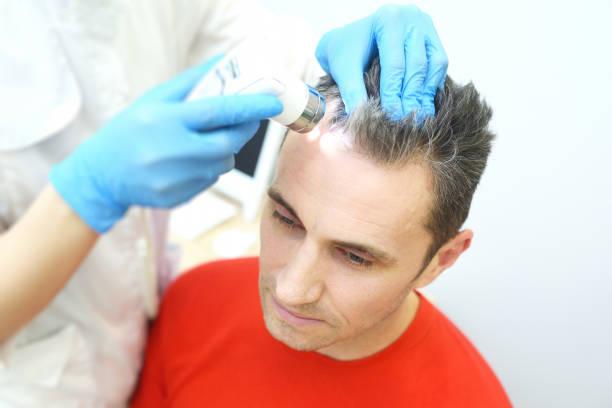
A scalp examination can help identify visible inflammation, scaling, hair breakage, and patterns of thinning. Depending on the symptoms, a healthcare professional may recommend dermoscopy or other suitable investigations to examine the scalp and hair follicles more closely.
Identifying When Medical Tests Are Needed
Blood tests may be considered when the history or examination suggests an underlying issue, such as iron deficiency, thyroid dysfunction, or another nutritional or medical concern. Testing should be guided by individual symptoms rather than performed indiscriminately.
Treatment Options for Stress-Related Hair Shedding
The most appropriate approach depends on the cause, severity, duration, and pattern of hair loss. Since stress-related shedding often improves once the trigger resolves, treatment typically focuses on addressing contributing factors and supporting healthy hair growth.
Stress Management and Emotional Well-Being
Managing stress can support general health and may help reduce ongoing triggers. Relaxation exercises, regular physical activity, mindfulness, and professional psychological support can be useful options for people experiencing persistent emotional pressure.
Consistent sleep routines and realistic daily schedules may also support recovery. However, stress management alone may not resolve shedding caused by nutritional deficiencies, hormonal conditions, or other medical problems.
Balanced Nutrition for Hair Health
Hair follicles require adequate nutrients to function normally. A balanced diet containing sufficient protein, iron-rich foods, healthy fats, vitamins, and minerals can support normal hair growth.
People experiencing persistent shedding should avoid taking high-dose supplements without appropriate advice. Excessive intake of certain nutrients can contribute to hair loss or cause other health problems. Identifying and correcting a confirmed deficiency is generally more appropriate than taking multiple supplements without evaluation.
Gentle Hair Care Practices
Reducing unnecessary tension and damage can help protect fragile hair while shedding continues. Gentle brushing, limiting excessive heat styling, avoiding tightly pulled hairstyles, and using suitable hair care products may reduce breakage.
These practices do not directly eliminate the underlying cause of telogen effluvium, but they can help maintain hair quality and prevent additional damage during recovery.
Medical Treatment When Appropriate
Some individuals may need treatment for an underlying medical condition or a separate type of hair loss. Medication and topical treatments should be recommended according to the diagnosis, medical history, and potential risks.
Not every person with stress-related shedding requires medication. A qualified healthcare professional can explain whether observation, further testing, treatment of an underlying condition, or specialist referral is the most appropriate next step.
How to Choose a Qualified Hair and Scalp Specialist in Riyadh
When researching the Best Trichologists in Riyadh, it is helpful to evaluate professional qualifications, experience with different hair disorders, and the quality of the consultation process. Trichology expertise can be valuable for understanding hair and scalp concerns, while dermatologists and other qualified medical professionals can diagnose and treat medical conditions affecting hair growth.
A suitable professional should explain the possible causes of shedding, discuss the limitations of available treatments, and provide realistic expectations for recovery. They should also recommend further medical evaluation when symptoms suggest a condition outside the scope of routine hair care.
People looking for the Best Trichologists in Saudi Arabia may also consider accessibility, communication, follow-up arrangements, and whether recommendations are tailored to individual needs. Clear explanations and evidence-informed care are more useful than promises of immediate or guaranteed hair regrowth.
How Long Does Stress-Related Hair Shedding Take to Improve?
Recovery varies according to the trigger, individual health, and whether other hair conditions are present. In many cases of acute telogen effluvium, shedding gradually decreases over several months after the underlying trigger has resolved.
Visible regrowth may take additional time because hair grows slowly. Even when shedding improves, restoring the appearance of previous hair density can take six to twelve months or longer, depending on the individual circumstances.
Persistent or worsening hair loss should not automatically be attributed to stress. Prompt assessment is particularly important when hair loss occurs in distinct patches, the scalp becomes painful or inflamed, or other symptoms develop.
Preventing Further Stress-Related Hair Shedding
Although it is not always possible to prevent stress-related hair shedding, consistent health habits can support general well-being and reduce some avoidable triggers. Maintaining a balanced diet, getting sufficient sleep, managing emotional pressure, and following a gentle hair care routine are useful starting points.
It is equally important to avoid repeatedly changing treatments in response to normal daily shedding. Excessive styling, restrictive diets, and unverified hair growth products may create additional problems rather than improve hair health.
Regular professional guidance can help people monitor changes, identify persistent concerns, and make informed decisions about further assessment. Prevention and recovery are most effective when hair care is combined with attention to overall health.
Frequently Asked Questions
1. Can Stress Cause Significant Hair Shedding?
Yes. Significant emotional or physical stress can trigger telogen effluvium, a condition in which more hair follicles enter the resting phase and shed hair. The shedding often becomes noticeable two to three months after the triggering event. Other causes should also be considered when hair loss persists.
2. When Should I Consult the Best Trichologists in Riyadh?
Consider professional assessment if shedding is persistent, unusually heavy, associated with visible thinning, or accompanied by scalp discomfort. Sudden patchy hair loss, scarring, or substantial scalp inflammation warrants prompt medical evaluation.
3. Is Stress-Related Hair Shedding Permanent?
Stress-related telogen effluvium is often temporary, particularly when the underlying trigger resolves. However, recovery depends on the cause, and another condition may coexist with stress-related shedding. A professional assessment can help clarify the diagnosis and expected recovery.
4. What Treatments Help Stress-Related Hair Loss?
Management may include addressing stress, improving nutritional deficiencies, adopting gentle hair care practices, and treating underlying medical conditions when identified. Medication is not necessary for every case, and treatment should be based on an appropriate assessment.
5. How Can I Find the Best Trichologists in Saudi Arabia?
Look for relevant professional qualifications, experience in hair and scalp disorders, clear communication, and evidence-informed recommendations. Consider whether the professional recognizes the need for medical testing or referral when symptoms suggest an underlying health condition.
6. Does Hair Grow Back After Stress-Related Shedding?
In many cases, hair regrows after the triggering factor has resolved. Reduced shedding may become apparent within several months, while noticeable improvements in density can take longer. Persistent shedding or limited regrowth should be assessed by a qualified healthcare professional.
Conclusion
Stress-related hair shedding can be worrying, but understanding the hair growth cycle and identifying potential triggers can make the recovery process easier to navigate. Appropriate assessment, balanced nutrition, stress management, gentle hair care, and treatment of underlying conditions can all contribute to better hair health. When researching the Best Trichologists in Riyadh or the Best Trichologists in Saudi Arabia, prioritize qualified professionals who provide individualized guidance, realistic expectations, and appropriate medical referrals. Enfield Royal Clinic Saudi (عيادة انفيلد رويال) can be considered as a starting point for exploring hair and scalp care services and learning about available consultation options for people concerned about stress-related hair shedding.

 English
 Arabic
 French
 Spanish
 Portuguese
 Deutsch
 Turkish
 Dutch
 Russian
 Romaian
 Portuguese (Brazil)
 Greek