
How Acupuncture Treatment for Back Pain and Decompression Therapy May Help Relieve Discomfort
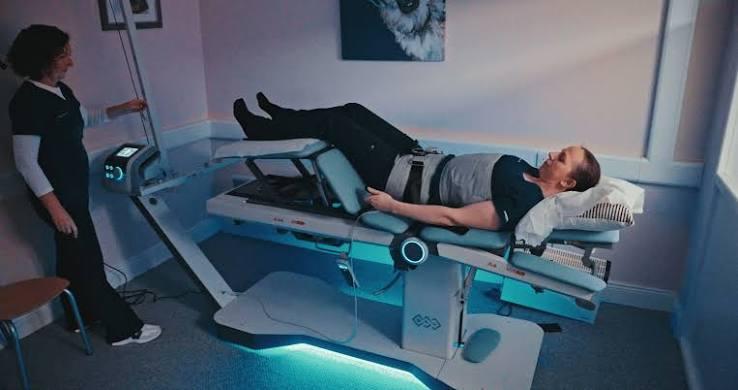
Back pain can affect almost every part of daily life, from sitting at a desk and driving to exercising and getting a good night's sleep. While occasional discomfort may improve with simple self-care, persistent pain can make everyday activities increasingly difficult. For people seeking nonsurgical options, acupuncture treatment for back pain and Decompression Therapy may be worth discussing with a qualified healthcare professional.
Although these approaches work differently, both are used in certain back pain management plans. Acupuncture involves stimulating specific points on the body with thin needles, while spinal decompression aims to reduce pressure on spinal structures. Understanding their potential benefits, limitations, and appropriate uses can help patients make informed decisions about their care.
The right approach depends on the underlying cause of discomfort, symptom severity, medical history, and individual treatment goals.
Understanding the Common Causes of Back Pain
Back pain does not always have a single cause. It may develop gradually because of daily habits or appear suddenly following an injury or unusual physical activity.
Common contributing factors include:
-
Muscle strain: Lifting heavy objects, sudden movements, or repetitive physical activity can strain back muscles.
-
Prolonged sitting: Spending hours at a desk or in a vehicle may contribute to stiffness and discomfort.
-
Disc-related conditions: Bulging or herniated discs can sometimes irritate nearby nerves.
-
Age-related changes: Changes affecting spinal joints and discs may contribute to persistent symptoms.
-
Reduced physical activity: Limited movement can affect flexibility, strength, and tolerance for everyday tasks.
Identifying the likely cause is important because treatments that help muscular discomfort may not be appropriate for every spinal condition. A healthcare professional can assess symptoms and recommend suitable next steps.
How Acupuncture Treatment for Back Pain May Help
Acupuncture is a traditional treatment that involves inserting very thin needles into specific points on the body. Modern research suggests that acupuncture may influence the nervous system and the body's pain-processing mechanisms, although its precise effects are not fully understood.
The National Center for Complementary and Integrative Health reports that research supports potential benefits for some people experiencing back or neck pain. However, results vary, and acupuncture does not guarantee relief for every patient.
1. May Help Reduce Pain Perception
Persistent back discomfort can make ordinary movements feel challenging. Acupuncture may help some people experience a reduction in pain intensity, potentially making walking, sitting, or performing daily tasks more manageable.
Its effects can vary depending on the condition, treatment approach, and individual response. It should be considered one possible component of a broader pain management plan rather than a universal solution.
2. May Help With Muscle Tension
Muscles around an uncomfortable area may become tense as the body responds to pain. Some patients report feeling more relaxed after acupuncture sessions.
When muscle tension contributes to discomfort, this response may support easier movement. Nevertheless, acupuncture should not be assumed to correct structural spinal problems or resolve every source of muscle pain.
3. May Support Everyday Function
Managing back pain involves more than reducing a pain score. Patients often want to return to activities such as walking, working comfortably, sleeping better, or participating in recreational activities.
When acupuncture helps reduce symptoms, it may make gradual movement and participation in appropriate exercise easier. Combining symptom management with professionally recommended activity may help support longer-term function.
What Is Decompression Therapy?
Decompression Therapy can refer to different approaches intended to relieve pressure on spinal structures. In nonsurgical settings, spinal decompression commonly involves controlled traction using specialized equipment.
The goal is to apply carefully managed forces to the spine in an effort to reduce pressure on affected structures. Depending on the condition, a healthcare professional may consider this approach for selected patients with disc-related problems or nerve irritation.
It is important to distinguish nonsurgical spinal decompression from surgical decompression. Surgery involves a medical procedure to address certain structural problems, whereas nonsurgical treatment does not involve an operation.
Who Might Be Considered for Spinal Decompression?
A clinician may evaluate spinal decompression as one possible option for people experiencing symptoms associated with certain disc conditions or nerve compression.
However, it is not appropriate for everyone with back pain. Evidence for mechanical traction and decompression varies by condition, and research has not established that these treatments consistently provide meaningful benefits for all patients.
A proper assessment helps determine whether the potential benefits justify the treatment and whether other options may be more appropriate.
Acupuncture vs. Decompression Therapy: Understanding the Difference
Although both approaches may be discussed during back pain care, they serve different purposes.
Acupuncture focuses on stimulating specific points with thin needles. It may be considered when pain management is a treatment goal.
Nonsurgical spinal decompression uses controlled mechanical traction to attempt to reduce pressure on spinal structures. Its suitability depends on the patient's diagnosis and symptoms.
Neither approach should be selected simply because it is popular or advertised as a solution for back pain. A careful evaluation can help identify whether either treatment fits the patient's needs.
In some cases, a care plan may include other approaches, such as physical therapy, therapeutic exercise, activity modification, or education about movement. Combining treatments should be based on clinical reasoning rather than an assumption that more treatments will automatically produce better results.
Practical Ways to Support Back Pain Management
Professional treatment can be useful, but everyday habits also play a role in managing many forms of back discomfort.
Consider the following practical steps:
-
Take movement breaks: If you sit for long periods, change positions regularly and take brief walks when possible.
-
Stay appropriately active: Gentle movement is often preferable to prolonged bed rest for uncomplicated back pain. Choose activities that match your abilities.
-
Review your workstation: Adjust your chair, desk, and screen to support a comfortable working position.
-
Use lifting techniques carefully: Keep objects close to your body and avoid sudden twisting while lifting.
-
Follow individualized advice: Perform recommended exercises consistently and discuss activities that worsen your symptoms with a healthcare professional.
-
Track your symptoms: Record pain levels, activities that trigger discomfort, and changes in mobility. This information can help guide treatment decisions.
These steps are not substitutes for medical assessment when symptoms are severe, persistent, or associated with concerning signs.
Safety Considerations Before Starting Treatment
Before beginning acupuncture or spinal decompression, discuss your medical history, current symptoms, medications, and previous injuries with an appropriately qualified healthcare professional.
Acupuncture should be performed by a properly trained practitioner using sterile, single-use needles. Although serious complications are uncommon when it is performed correctly, improper technique or nonsterile equipment can cause injury or infection.
Spinal decompression also requires screening. Certain medical conditions or spinal problems may make traction inappropriate, so a clinician should assess suitability rather than relying on symptoms alone.
Seek urgent medical attention if back pain is accompanied by new loss of bladder or bowel control, numbness around the groin or saddle area, or rapidly worsening leg weakness. These symptoms may indicate a serious problem requiring immediate evaluation.
Choosing a Personalized Back Pain Treatment Plan
There is no single treatment that works for every cause of back pain. A useful plan begins with understanding the patient's symptoms, medical history, physical function, and goals.
Depending on the findings, a healthcare professional may recommend activity modification, exercise-based rehabilitation, medication when appropriate, acupuncture, or other selected treatments. Decompression Therapy may be considered in specific circumstances, but its benefits and limitations should be explained before treatment begins.
Patients should ask practical questions: What condition is this treatment intended to address? What improvement should I expect? How will progress be measured? What alternatives are available if the treatment does not help?
These conversations encourage realistic expectations and help patients participate actively in decisions about their care.
Conclusion
Acupuncture treatment for back pain may help some people manage discomfort, while nonsurgical Decompression Therapy may be considered for selected spinal conditions. However, these approaches work differently, and neither is appropriate for every patient. Their effectiveness depends on the underlying problem, individual circumstances, and the quality of the available evidence.
The best next step is to obtain an appropriate assessment and consider treatments that match your symptoms and functional goals. A well-planned approach may combine professional guidance, suitable physical activity, and carefully selected therapies to support better mobility and everyday comfort.
For people exploring chiropractic and related back pain care, Wang Family Chiropractic provides a starting point for learning about available care options and discussing whether a particular approach may be suitable. Treatment decisions should always reflect an individual's clinical needs and informed preferences.
Frequently Asked Questions
1. Can acupuncture help relieve lower back pain?
Acupuncture may help reduce pain for some people with lower back pain, particularly chronic symptoms. Research findings vary, so individual results cannot be guaranteed. It is best considered as one potential component of a broader management plan.
2. What is the purpose of Decompression Therapy?
Nonsurgical spinal decompression uses controlled traction to attempt to reduce pressure on spinal structures. It may be considered for selected conditions, but evidence of benefit varies and it is not suitable for every type of back pain.
3. Is acupuncture better than spinal decompression?
Neither treatment is universally better. Acupuncture and spinal decompression work differently, and their suitability depends on the cause of pain, the available evidence, and the patient's health needs. A qualified healthcare professional can help compare appropriate options.
4. How many acupuncture sessions are needed for back pain?
The number of sessions varies according to symptoms, treatment goals, and individual response. A qualified practitioner can recommend an initial plan and reassess progress rather than promising a fixed number of sessions or a guaranteed outcome.
5. Can I combine acupuncture with other back pain treatments?
Acupuncture may be used alongside other appropriate approaches, including exercise-based rehabilitation and conventional medical care. Whether combining it with spinal decompression is suitable depends on your diagnosis and health history. Discuss the plan with your treating professionals.

 English
 French
 Spanish
 Portuguese
 Deutsch
 Turkish
 Dutch
 Italiano
 Russian
 Romaian
 Portuguese (Brazil)
 Greek