
What Causes Crohn's Disease? Risk Factors Explained
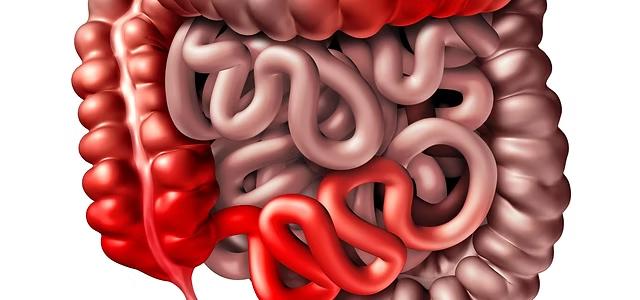
Crohn's disease is a chronic inflammatory bowel disease (IBD) that causes inflammation anywhere along the digestive tract, most commonly in the small intestine and colon. While the exact cause remains unknown, researchers believe it develops due to a combination of genetic, immune system, environmental, and lifestyle factors. Understanding the causes and risk factors of Crohn's disease can help people recognize symptoms early, reduce complications, and seek timely medical care. Although there is no cure, early diagnosis and appropriate treatment can significantly improve quality of life.
What Is Crohn's Disease?
Crohn's disease is a long-term autoimmune-related inflammatory condition in which the immune system mistakenly attacks the digestive tract. Unlike ulcerative colitis, which affects only the colon and the innermost lining of the intestine, Crohn's disease can involve any part of the gastrointestinal tract from the mouth to the anus and often affects all layers of the bowel wall.
The disease usually progresses through periods of flare-ups and remission. During flare-ups, symptoms become severe, while remission is a period when symptoms improve or disappear.
What Causes Crohn's Disease?
The exact cause of Crohn's disease is still unknown. However, experts believe that several factors work together to trigger abnormal inflammation in genetically susceptible individuals.
1. An Overactive Immune System
One of the leading theories is that Crohn's disease results from an abnormal immune response. Normally, the immune system protects the body from harmful bacteria and viruses. In people with Crohn's disease, the immune system mistakenly attacks healthy tissues in the digestive tract.
Instead of stopping once the threat is gone, the immune response continues, leading to chronic inflammation, ulcers, and intestinal damage.
2. Genetic Factors
Genetics plays an important role in Crohn's disease.
Researchers have identified more than 200 genes associated with inflammatory bowel disease. One of the most well-known is the NOD2 (CARD15) gene, which helps regulate immune responses against bacteria in the gut.
Having these genes does not guarantee that someone will develop Crohn's disease, but it significantly increases the risk.
If one parent or sibling has Crohn's disease, your chances of developing the condition are considerably higher than those of the general population.
3. Gut Microbiome Imbalance
The digestive system contains trillions of beneficial bacteria that help digest food, produce vitamins, and regulate immunity.
In Crohn's disease, this balance may become disrupted, a condition known as gut dysbiosis.
Researchers believe harmful bacteria may become more abundant while beneficial bacteria decrease, triggering excessive inflammation in the intestines.
4. Environmental Triggers
Environmental factors do not directly cause Crohn's disease but may trigger it in genetically susceptible individuals.
Possible environmental triggers include:
- Certain viral or bacterial infections
- Air pollution
- Poor dietary habits
- Food additives
- Urban living
- Changes in gut bacteria due to antibiotics
These factors may influence immune function and contribute to chronic intestinal inflammation.
Major Risk Factors for Crohn's Disease
Several factors increase the likelihood of developing Crohn's disease.
Family History
Having a first-degree relative with Crohn's disease is one of the strongest known risk factors.
The risk increases further if multiple family members are affected.
Age
Although Crohn's disease can occur at any age, it is most commonly diagnosed between 15 and 35 years.
A second, smaller peak in diagnosis may occur after age 50.
Smoking
Smoking is one of the most significant preventable risk factors.
People who smoke are more likely to:
- Develop Crohn's disease
- Experience severe symptoms
- Require surgery
- Have frequent disease flare-ups
- Need stronger medications
Quitting smoking is one of the most effective lifestyle changes for improving disease outcomes.
Ethnicity
Crohn's disease affects people of every ethnic background.
Historically, it has been more common among people of European ancestry, particularly those with Ashkenazi Jewish heritage. However, the disease is increasingly diagnosed worldwide across diverse populations.
Living in Industrialized Areas
People living in urban and industrialized countries tend to have higher rates of Crohn's disease.
Possible reasons include:
- Western dietary patterns
- Reduced exposure to microbes during childhood
- Pollution
- Lifestyle changes
- Antibiotic use
Diet
Diet alone does not cause Crohn's disease, but certain eating habits may increase inflammation or worsen symptoms.
Potential dietary risk factors include:
- High consumption of processed foods
- Excess saturated fats
- Sugary beverages
- Low fiber intake
- Ultra-processed foods
A healthy diet may support gut health and reduce symptom severity.
Stress
Stress does not directly cause Crohn's disease.
However, chronic emotional stress can worsen symptoms and trigger flare-ups by affecting the gut-brain connection and immune system.
Stress management is often an important part of long-term disease control.
Certain Medications
Some medications may aggravate intestinal inflammation or increase symptom severity.
These include:
- Nonsteroidal anti-inflammatory drugs (NSAIDs)
- Frequent antibiotic use in some cases
Patients should always consult their healthcare provider before stopping or changing medications.
Common Symptoms of Crohn's Disease
Symptoms vary depending on which part of the digestive tract is affected.
Common symptoms include:
- Persistent diarrhea
- Abdominal pain and cramping
- Blood in stool
- Fatigue
- Weight loss
- Fever
- Loss of appetite
- Mouth sores
- Urgent bowel movements
- Rectal bleeding
Some individuals also experience symptoms outside the digestive tract, including:
- Joint pain
- Eye inflammation
- Skin disorders
- Liver disease
Can Crohn's Disease Be Prevented?
There is currently no guaranteed way to prevent Crohn's disease because genetics plays a major role.
However, several healthy lifestyle habits may reduce flare-ups and support overall digestive health:
- Avoid smoking.
- Eat a balanced, nutrient-rich diet.
- Exercise regularly.
- Manage stress effectively.
- Get adequate sleep.
- Stay hydrated.
- Follow prescribed treatment plans.
- Attend regular medical check-ups.
While these steps cannot eliminate the disease, they may help reduce complications and improve quality of life.
How Is Crohn's Disease Diagnosed?
Doctors use several tests to diagnose Crohn's disease and rule out other digestive disorders.
These may include:
- Blood tests
- Stool analysis
- Colonoscopy with biopsy
- Upper endoscopy
- CT scan
- MRI enterography
- Capsule endoscopy
A gastroenterologist evaluates symptoms, medical history, and test results before confirming the diagnosis.
Treatment Options for Crohn's Disease
Although Crohn's disease cannot be cured, several treatments help control inflammation and maintain remission.
Common treatment options include:
Medications
- Anti-inflammatory drugs
- Corticosteroids
- Immunomodulators
- Biologic therapies
- Antibiotics (when needed)
Nutritional Therapy
Some patients benefit from specialized diets or nutritional supplements to improve nutrient intake and support intestinal healing.
Surgery
Surgery may be recommended if medications fail or complications such as bowel obstruction, fistulas, abscesses, or severe bleeding occur.
Although surgery can relieve symptoms, it does not cure Crohn's disease.
Book Online Appointment with the Best Gastroenterologist via InstaCare
If you experience persistent diarrhea, abdominal pain, unexplained weight loss, blood in your stool, or ongoing digestive discomfort, do not ignore these symptoms. Early diagnosis and treatment can help prevent complications and improve your quality of life. Book an online appointment with the best gastroenterologist via InstaCare to receive expert evaluation, accurate diagnosis, and a personalized treatment plan tailored to your needs.
Conclusion
Crohn's disease develops through a complex interaction of genetics, immune system dysfunction, environmental influences, and gut microbiome changes. While no single factor is responsible, understanding these risks can help individuals recognize symptoms earlier and seek timely medical care. Although there is currently no cure, modern treatments, healthy lifestyle choices, and regular follow-up with a gastroenterologist can effectively manage symptoms, reduce flare-ups, and help people with Crohn's disease lead active and fulfilling lives.
Frequently Asked Questions (FAQs)
1. What is the main cause of Crohn's disease?
The exact cause is unknown, but experts believe it results from an abnormal immune response combined with genetic and environmental factors.
2. Does Crohn's disease run in families?
Yes. Having a parent, sibling, or child with Crohn's disease significantly increases your risk, although not everyone with a family history develops the condition.
3. Can stress cause Crohn's disease?
No. Stress does not cause Crohn's disease, but it can trigger flare-ups and worsen symptoms in people who already have the condition.
4. Is smoking linked to Crohn's disease?
Yes. Smoking is one of the strongest modifiable risk factors and is associated with more severe disease, frequent flare-ups, and a higher likelihood of surgery.
5. Can Crohn's disease be cured?
There is currently no cure for Crohn's disease. However, medications, lifestyle changes, nutritional support, and surgery when necessary can effectively manage symptoms and help maintain long-term remission.

 Arabic
 French
 Spanish
 Portuguese
 Deutsch
 Turkish
 Dutch
Dutch
 Italiano
 Russian
 Romaian
 Portuguese (Brazil)
 Greek
Greek