
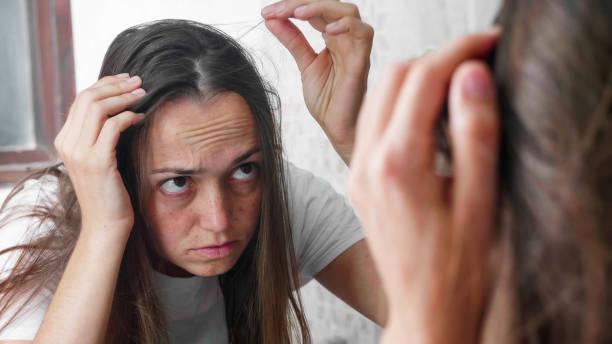
Female pattern hair loss—androgenetic alopecia in women—is far more common than most people realize. It affects millions of women worldwide, yet it's often misunderstood, dismissed, or confused with other conditions. Hair Loss Treatment in Riyadh Unlike male pattern baldness, it rarely causes complete baldness—instead, it produces diffuse thinning, particularly at the part line, that can significantly affect confidence and quality of life. Understanding what female pattern hair loss is, how it differs from male hair loss, and what treatments work helps women address it effectively.
What Female Pattern Hair Loss Is
Female pattern hair loss is a genetic, hormone-related condition characterized by progressive thinning of scalp hair. It's driven by sensitivity to androgens—particularly dihydrotestosterone (DHT)—though the mechanism differs from men. In women, hair follicles miniaturize gradually—producing thinner, shorter hair—and the growth phase shortens. The result is diffuse thinning—most noticeable at the part line and crown—rather than the receding hairline and bald patches typical of male pattern baldness.
How It Differs From Male Pattern Baldness
Female pattern hair loss differs from male pattern baldness in several ways. Pattern: women experience diffuse thinning—particularly at the part line—rather than receding hairlines and crown baldness. Progression: women rarely progress to complete baldness—hair thins but remains. Age of onset: it can begin at any age—but often becomes noticeable around menopause. And diagnosis: female hair loss has more potential causes—including hormonal imbalances, thyroid conditions, and nutritional deficiencies—requiring careful evaluation.
Causes and Contributing Factors
Female pattern hair loss is primarily genetic and hormonal—but several factors contribute. Genetics: a family history of hair loss increases risk. Hormones: androgen sensitivity drives follicle miniaturization; hormonal changes—pregnancy, menopause, PCOS—can trigger or worsen thinning. Age: thinning often accelerates with age—particularly after menopause. And other factors: nutritional deficiencies, thyroid dysfunction, and stress can compound genetic hair loss. Accurate diagnosis identifies contributing factors—and guides treatment.
Recognizing Female Pattern Hair Loss
Signs include: widening of the part line; reduced hair density—particularly at the crown; increased shedding; hair that feels thinner overall; and visible scalp under bright light. Unlike men—women rarely develop bald patches—but the diffuse thinning can be significant. If you notice these signs—seek assessment. Early intervention preserves more hair—and produces better results.
Treatment One: Minoxidil
Minoxidil is the only FDA-approved topical treatment for female pattern hair loss. Applied twice daily—it stimulates hair growth and prolongs the growth phase. It's available over the counter in 2% and 5% concentrations. Results appear after three to six months—and require ongoing use. Side effects—like scalp irritation or unwanted facial hair—are manageable. For many women—minoxidil is a simple, effective first-line treatment.
Treatment Two: Spironolactone
Spironolactone is an oral anti-androgen medication—sometimes prescribed for women with hormonal hair loss. It blocks androgen receptors—reducing the hormonal effects that cause follicle shrinkage. It's particularly useful for women with PCOS or other hormonal imbalances. Spironolactone requires a prescription—and monitoring—particularly for potassium levels and blood pressure. It's not appropriate during pregnancy. For appropriate candidates—it can be effective under professional guidance.
Treatment Three: Other Medications
Other medications may help specific situations. Oral minoxidil—increasingly used—may be more effective than topical for some women. Topical finasteride—a newer option—may be considered in some cases (though not standard for women). And treatments for underlying conditions—like thyroid dysfunction or PCOS—address the cause. Medication choice depends on diagnosis—severity—and individual factors. A specialist can recommend the right option.
Treatment Four: Procedural Options
Procedural treatments complement medical options. PRP—delivers growth factors—stimulating follicles. Low-level laser therapy—stimulates cellular activity. Microneedling—enhances absorption and triggers growth factors. These treatments are non-surgical—with minimal downtime—and can be combined with medications. They're particularly useful for women with diffuse thinning—who often respond well to PRP and LLLT. A specialist can recommend appropriate options.
Treatment Five: Hair Transplantation
For significant thinning—or for areas that don't respond to medical treatment—hair transplantation may be appropriate. However—female pattern hair loss is often diffuse—making transplantation more challenging than in men. Women with stable, localized thinning—and adequate donor hair—may be candidates. Transplantation requires careful planning—and realistic expectations. A specialist can advise whether transplantation is appropriate.
The Emotional Impact
Female hair loss carries significant emotional weight—hair is tied to identity, femininity, and confidence. Women often feel isolated—ashamed—or dismissed by others. Support—from counseling, support groups, or understanding providers—is valuable. Treatment helps—but emotional support matters too. Don't neglect mental health—it's part of comprehensive care.
Questions to Ask During Consultation
Ask: Do I have female pattern hair loss or another condition? Which treatments suit my situation? What results are realistic? How long before I see improvement? Should I combine treatments? A provider who answers specifically—referencing your situation—helps you plan effectively.
When to Seek Professional Guidance
If you're experiencing hair thinning—seek professional guidance. A hair specialist can diagnose the cause and recommend appropriate treatment. For personalized guidance on female pattern hair loss, a consultation with qualified professionals offers clarity and direction.
Final Thoughts: Common, Treatable, Manageable
Female pattern hair loss is common—but treatable. Minoxidil, spironolactone, procedural options, and transplantation offer a range of solutions—personalized to your diagnosis and goals. Early intervention preserves more hair—and produces better results. With professional guidance and realistic expectations, female pattern hair loss can be managed—and confidence restored.
Book an Appointment Consultation Clinic
For those seeking expert guidance and customized aesthetic care, you can book an appointment consultation at the Enfield Royal Riyadh.
FAQs
What is female pattern hair loss?
A genetic, hormone-related condition causing diffuse thinning—particularly at the part line.
How is it different from male pattern baldness?
Women experience diffuse thinning rather than receding hairlines and bald patches.
Can female pattern hair loss be treated?
Yes—minoxidil, spironolactone, PRP, LLLT, and transplantation can help.
Is minoxidil safe for women?
Yes—2% and 5% formulations are FDA-approved for women.
When should women see a specialist?
If you notice thinning, widening part, or increased shedding—early assessment helps.

 Arabic
 French
 Spanish
 Portuguese
 Deutsch
 Turkish
 Dutch
 Italiano
 Russian
 Romaian
 Portuguese (Brazil)
 Greek