
How Tajmeels Clinic Assesses Sensitive Areas Before Laser Hair Removal
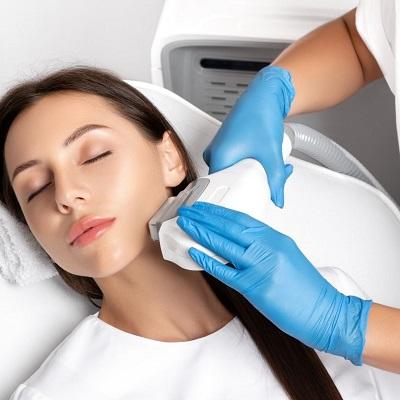
Laser Hair Removal in Dubai is a popular option for people who want to reduce unwanted hair and minimise the need for frequent shaving or waxing. However, treating sensitive areas requires careful attention because different body parts can have different skin characteristics, hair thickness, and levels of sensitivity. Areas such as the underarms, bikini line, upper lip, and neck may need individual assessment before treatment begins.
A professional assessment helps determine whether laser hair removal is suitable for a particular area and what precautions may be necessary. At Tajmeels Clinic, understanding individual skin and hair characteristics is an important part of planning a personalised laser hair removal approach.
Why Sensitive Areas Require Special Attention
Sensitive areas may react differently to laser energy compared with other parts of the body. Skin thickness, pigmentation, hair density, and natural sensitivity can influence how the skin responds during and after treatment.
For example, underarm skin may experience friction from clothing and regular shaving, while facial skin can be more exposed to sunlight and skincare products. The bikini area may also have different pigmentation and sensitivity levels.
Assessing these differences before treatment helps identify potential concerns and determine suitable treatment settings. It also allows the practitioner to explain what clients can realistically expect from their laser hair removal sessions.
Reviewing Skin Type and Pigmentation
One of the first considerations during a laser hair removal assessment is the client's skin type and pigmentation. Laser technology works by targeting pigment within the hair follicle, so the contrast between hair colour and surrounding skin can influence treatment effectiveness.
Different skin tones may require different laser technologies and energy settings. Using inappropriate settings can increase the risk of irritation, burns, or pigmentation changes.
During an assessment, practitioners may consider:
-
Natural skin tone and pigmentation.
-
Areas with darker or uneven skin colour.
-
Previous tanning or recent sun exposure.
-
Existing irritation or skin sensitivity.
-
Any history of pigmentation changes after cosmetic treatments.
This evaluation helps guide treatment planning and supports a more individualised approach.
Understanding Hair Thickness and Growth Patterns
Hair characteristics are another important part of the assessment. Sensitive areas can contain different types of hair, ranging from fine and light to thick and coarse.
For instance, underarm and bikini-area hair is often thicker than the fine hair found on certain facial areas. Hair density and growth patterns can also vary between individuals.
Practitioners may evaluate:
-
Hair thickness and colour.
-
Density across the treatment area.
-
Differences in hair growth between sections.
-
Areas with fine or uneven hair distribution.
-
Previous hair removal methods and their effects.
Understanding these characteristics helps determine whether the area is likely to respond well to laser treatment. It also supports realistic expectations regarding the number of sessions and potential results.
Checking for Existing Skin Conditions
Before laser hair removal, the treatment area should be checked for visible skin concerns. Sensitive areas can sometimes experience irritation from shaving, waxing, friction, or unsuitable skincare products.
Active infections, open wounds, inflamed skin, and certain skin conditions may require treatment postponement or medical evaluation.
The assessment may include checking for:
-
Redness or persistent irritation.
-
Cuts, scratches, or damaged skin.
-
Active rashes or inflammation.
-
Ingrown hairs and follicular irritation.
-
Unusual pigmentation or changing skin marks.
This step is important because applying laser energy to unsuitable skin may increase discomfort or complications. Clients should also mention any known skin conditions or previous reactions to cosmetic procedures.
Discussing Medical History and Previous Hair Removal Treatments
A complete consultation should include questions about medical history and previous hair removal experiences. Certain medications, medical conditions, and recent cosmetic treatments can influence skin sensitivity and treatment suitability.
Clients should inform the practitioner about medications that may increase photosensitivity, previous laser treatments, recent waxing, and any history of unusual skin reactions.
Previous hair removal methods also matter. Waxing and plucking remove hair from the follicle, which may interfere with the target needed for laser treatment. Shaving is generally recommended before a session because it leaves the hair root in place.
Sharing accurate information helps practitioners identify possible risks and recommend appropriate preparation.
Evaluating Comfort and Treatment Sensitivity
Comfort is another important consideration when treating delicate body areas. Some clients may experience greater sensitivity because of their natural skin characteristics, while others may have concerns due to previous experiences with hair removal.
During the consultation, practitioners can explain what the laser procedure involves, how temporary sensations may feel, and what measures can help manage discomfort.
Depending on the treatment area and individual needs, the practitioner may consider suitable equipment settings, cooling methods, and other precautions.
Clients should feel comfortable discussing their concerns before proceeding. Clear communication helps create realistic expectations and makes the treatment experience more manageable.
Why Patch Testing and Personalised Settings Matter
When appropriate, a patch test may be recommended before treating a larger or more sensitive area. It allows the practitioner to observe how a small section of skin responds to selected laser settings.
Patch testing can be particularly useful when there are concerns about skin sensitivity, pigmentation, or previous reactions.
However, a patch test does not guarantee that no side effects will occur. Skin responses can vary, and practitioners must continue monitoring the treatment area throughout the process.
Personalised settings are equally important. Laser energy should be selected according to skin tone, hair characteristics, treatment area, and the equipment being used rather than applying identical settings to every client.
How Tajmeels Clinic Approaches Sensitive Area Assessments
At tajmeels clinic dubai, laser hair removal planning involves considering individual skin characteristics, hair growth patterns, and treatment goals. Before proceeding with sensitive areas, an assessment helps identify factors that may influence treatment suitability and comfort.
The consultation provides an opportunity to discuss previous hair removal experiences, existing skin concerns, and expectations regarding hair reduction. Based on the assessment, the treatment approach can be adjusted to address the needs of the specific area.
Whether clients are considering underarm, facial, or bikini laser hair removal in Dubai, individual evaluation is important for making informed decisions. Understanding preparation requirements and aftercare recommendations also helps clients take better care of their skin throughout the treatment process.
What Should You Do Before Your Laser Hair Removal Appointment?
Preparing properly can help reduce avoidable irritation and support a smoother treatment experience.
Consider these general preparation tips:
-
Avoid waxing, threading, or plucking before treatment.
-
Follow the clinic's shaving instructions.
-
Avoid tanning and excessive sun exposure.
-
Keep the treatment area clean and free from irritating products.
-
Inform the practitioner about medications and skin concerns.
-
Follow any specific instructions provided during consultation.
After treatment, temporary redness or mild swelling around the follicles may occur. Following aftercare guidance, avoiding excessive heat, and protecting exposed skin from sunlight can help support recovery.
Conclusion
Assessing sensitive areas before laser hair removal is an important part of safe and personalised treatment planning. Skin tone, pigmentation, hair thickness, medical history, and existing irritation can all influence how an individual responds to laser energy.
A detailed consultation helps identify potential concerns, establish realistic expectations, and determine suitable treatment settings. Choosing a professional clinic that prioritises individual assessment can make the laser hair removal process more informed and comfortable.
More Information
Tajmeels Clinic Dubai
WhatsApp: +971 56 203 8751
Phone: tel:+971 43739000
Social Media:

 English
 Arabic
 French
 Spanish
 Portuguese
 Deutsch
 Turkish
 Dutch
 Italiano
 Russian
 Romaian
 Greek