
The Essential Elements of a Successful Parking Operations Plan
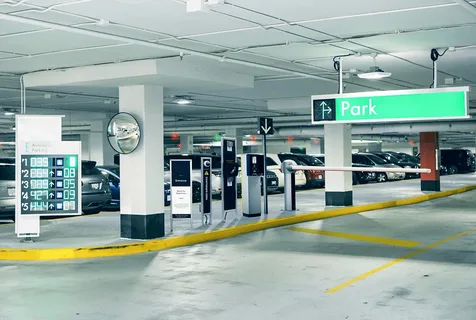
A well-organized parking area plays an important role in the daily operations of hotels, shopping centres, restaurants, hospitals, office buildings and event venues. Although parking is sometimes treated as a basic facility, its management directly affects traffic movement, customer satisfaction, vehicle security and the overall reputation of a business.
Without a clear operating plan, even a large parking facility can experience congestion, inefficient vehicle allocation, long waiting times and safety concerns. Employees may struggle to coordinate their responsibilities, while customers can become frustrated by unclear instructions and delays.
A successful parking operations plan provides a structured approach to managing these challenges. It defines responsibilities, establishes safety standards, organizes traffic flow and ensures that resources are used effectively. The following elements help businesses create a practical plan that supports reliable and professional parking operations.
1. Assess Parking Requirements and Available Capacity
Every effective parking plan should begin with a detailed assessment of the property. Managers need to understand how much parking space is available, how frequently it is used and what types of vehicles the facility must accommodate.
The assessment should consider the total number of parking spaces, entrance and exit locations, vehicle dimensions, pedestrian routes and any restricted areas. Managers should also identify spaces required for accessible parking, emergency access and special vehicle requirements.
Understanding demand is equally important. A hotel may experience increased vehicle arrivals during check-in hours, while a restaurant may have its busiest periods in the evening. Shopping centres may experience higher demand during weekends and seasonal promotions.
By studying these patterns, managers can estimate parking requirements and prepare an operating plan that reflects actual usage rather than relying on assumptions.
2. Establish Clear Traffic Flow and Vehicle Routes
Traffic management is one of the most important parts of parking operations. Poorly planned vehicle routes can create congestion, increase accident risks and make it difficult for customers to enter or leave a property.
A professional parking layout should clearly separate entry and exit routes wherever possible. Directional signs, road markings and designated stopping areas help drivers understand where to go without unnecessary confusion.
Managers should also consider the movement of pedestrians. Walking routes should be clearly identified, and crossing points should be positioned to reduce conflicts with moving vehicles.
At properties with limited space, one-way traffic systems and designated drop-off areas may improve movement. However, any changes should be assessed against the property's layout and local safety requirements.
Regular inspections can help identify damaged signs, blocked routes and areas where vehicle movement becomes difficult.
3. Define Employee Responsibilities and Staffing Requirements
A parking operations plan cannot succeed without a properly organized workforce. Employees need to understand their duties, reporting responsibilities and communication procedures.
Managers should assign specific roles for vehicle reception, parking allocation, traffic direction, vehicle retrieval, key management and customer assistance. Supervisors should oversee daily operations, resolve problems and ensure employees follow established procedures.
Staffing levels should reflect expected vehicle demand. A facility with high traffic volumes may require additional attendants during peak periods, while quieter locations may operate effectively with a smaller team.
For businesses using Valet parking services in Dubai, coordinated staffing is particularly important at busy hotels, commercial properties and event venues where several vehicles may arrive within a short period.
A clear staffing structure reduces confusion, improves accountability and helps maintain consistent service standards.
4. Introduce Standard Operating Procedures
Standard operating procedures provide employees with clear instructions for completing routine tasks. They help ensure that every vehicle is handled consistently, regardless of which employee is on duty.
Procedures should cover vehicle arrival, customer interaction, vehicle inspection, key storage, parking allocation and vehicle collection.
For example, when receiving a vehicle, attendants should follow an established process for confirming the correct vehicle, recording relevant details and identifying visible existing damage. Keys should then be stored securely according to the property's access-control procedures.
Retrieval procedures should also confirm vehicle ownership or the appropriate collection details before releasing a vehicle.
These steps reduce the possibility of misunderstandings and operational errors. Procedures should be documented, communicated to employees and reviewed whenever operational requirements change.
5. Make Vehicle and Pedestrian Safety a Priority
Safety must remain central to every parking operation. Parking facilities involve moving vehicles, pedestrians, restricted visibility and frequent interactions between employees and visitors.
Managers should establish clear speed limits, designated pedestrian walkways, visible warning signs and appropriate lighting. Areas with limited visibility should receive particular attention because they can increase the risk of collisions.
Vehicle handling procedures should specify how employees move vehicles, where they are permitted to park and what precautions are required when handling unfamiliar vehicles.
Emergency arrangements should also be included in the plan. Employees should know how to report accidents, respond to vehicle damage, contact emergency services and keep access routes clear.
Regular safety inspections and employee training help ensure that procedures remain effective in everyday conditions.
6. Use Technology to Improve Operational Control
Technology can make parking operations more organized by improving record accuracy, communication and monitoring.
Digital vehicle registration systems can record arrival details, vehicle identification information and parking assignments. Electronic key-management systems can help track key access and reduce the risk of misplaced keys.
Parking management software may also provide information about space availability, vehicle movements and operational performance. At larger properties, communication devices allow employees to coordinate activities without leaving their assigned positions.
However, technology should be selected according to the property's actual needs. A complicated system may create unnecessary costs if employees cannot use it effectively.
Managers should evaluate ease of use, reliability, staff training requirements and data protection before introducing new systems.
7. Build Customer Service into Daily Procedures
A parking facility is often one of the first and last points of contact between a business and its customers. The quality of this interaction can influence the visitor's overall impression of the property.
A successful operations plan should therefore include customer service standards. Employees should greet visitors politely, provide clear directions and explain any expected waiting times.
When delays occur, staff should communicate honestly rather than leaving customers uncertain. Managers should also establish a consistent process for receiving complaints, recording feedback and resolving service issues.
Accessibility requirements should be considered during planning. Visitors who need additional assistance should be able to reach designated areas safely and conveniently.
Professional customer service is not limited to friendly communication. It also depends on reliable vehicle handling, accurate records and a smooth collection process.
8. Prepare for Peak Periods and Unexpected Situations
Parking demand can change quickly because of public events, seasonal activity, weather conditions and changes in business schedules. An effective plan should prepare employees for these situations.
Managers should identify expected peak periods and create additional staffing arrangements where necessary. Temporary traffic routes, designated waiting areas and clear communication channels can help manage increased demand.
Unexpected situations also require attention. Vehicle breakdowns, equipment failures, accidents and sudden traffic congestion can interrupt normal operations.
The plan should explain who has authority to make decisions, how incidents should be reported and what alternative arrangements employees should follow.
For larger venues, coordination with property management, security teams and event organizers can improve the response to operational challenges.
9. Monitor Performance and Review the Plan Regularly
A parking operations plan should not remain unchanged after implementation. Managers need to monitor performance and identify areas that require improvement.
Useful performance indicators include average vehicle retrieval times, queue lengths, customer complaints, vehicle damage incidents, staff attendance and parking-space utilization.
These measurements help managers understand whether the operation is meeting its objectives. For example, consistently long retrieval times may indicate poor vehicle organization, insufficient staffing or inefficient communication.
Regular meetings with supervisors and employees can provide additional insight into everyday challenges. Customer feedback can also highlight problems that may not appear in operational reports.
For businesses arranging Valet parking services in Abu Dhabi, reviewing performance regularly can help maintain service consistency and identify opportunities to improve vehicle handling, staffing and customer communication.
Conclusion
A successful parking operations plan combines careful planning, organized staffing, clear procedures, effective technology and strong safety standards. It should reflect the property's physical layout, customer requirements and expected traffic patterns.
More importantly, parking management should be treated as an ongoing responsibility rather than a one-time planning exercise. Regular inspections, employee training and performance reviews help ensure that the operation continues to meet changing demands.
When businesses establish clear expectations and monitor their implementation, they can reduce operational difficulties, protect vehicles and create a more convenient experience for visitors. A well-designed parking plan ultimately supports both the efficiency of the property and the reputation of the business.

 Arabic
 French
 Spanish
 Portuguese
 Deutsch
 Turkish
 Dutch
 Italiano
 Russian
 Romaian
 Portuguese (Brazil)
 Greek