
What Happens During a Rhinoplasty Evaluation at Tajmeels Clinic?
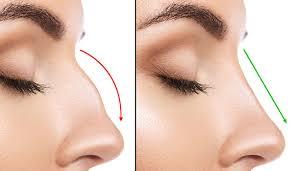
Rhinoplasty in Dubai, commonly known as nose reshaping surgery, is a procedure designed to change the appearance of the nose or address certain structural concerns that may affect breathing. Before considering surgery, an individual evaluation is an important step in understanding nasal anatomy, personal expectations, and suitable treatment options.
A rhinoplasty evaluation helps establish whether someone may be a suitable candidate for surgery and what aspects of the nose can realistically be addressed. At Tajmeels Clinic in Dubai, the assessment process can help patients understand the different factors involved in planning a personalised rhinoplasty procedure.
Understanding the Purpose of a Rhinoplasty Evaluation
A rhinoplasty evaluation is more than simply examining the size or shape of the nose. It involves reviewing facial proportions, nasal structure, skin characteristics, and individual concerns.
Every person's nose has a different anatomical structure. Some individuals may want to address a prominent nasal bridge, while others may be concerned about a wide nasal tip, asymmetry, or nostril shape.
The evaluation helps identify these concerns and determine which changes may be appropriate. It also provides an opportunity to discuss functional considerations, particularly when breathing difficulties are present.
Reviewing Medical History and Previous Procedures
One of the first steps in a rhinoplasty assessment is reviewing the patient's medical history. This information helps the healthcare professional understand factors that could influence surgical planning and recovery.
The discussion may include:
-
Previous nasal injuries or fractures.
-
History of nasal or sinus surgery.
-
Existing breathing difficulties.
-
Allergies and relevant medical conditions.
-
Current medications and supplements.
-
Previous experiences with anaesthesia.
-
Any history of complications following surgery.
Patients who have undergone rhinoplasty previously may require additional assessment. Revision rhinoplasty can involve more complex anatomical considerations because previous surgery may have changed the nasal cartilage, bone, or supporting tissues.
Providing accurate medical information helps the surgeon assess potential risks and discuss appropriate options.
Examining Nasal Shape and Facial Proportions
A detailed physical examination is an important part of rhinoplasty planning. The nose is assessed in relation to the rest of the face because a change that looks suitable from one angle may appear different from another.
The examination may consider:
-
Nasal bridge: Its width, height, and overall contour.
-
Nasal tip: Its projection, rotation, and definition.
-
Nostrils: Their size, shape, and symmetry.
-
Nasal alignment: Whether the nose appears straight or deviates to one side.
-
Facial balance: How the nose relates to the chin, forehead, and cheeks.
Different viewing angles help provide a more complete understanding of nasal proportions. The objective is not necessarily to create a smaller nose but to consider changes that complement the individual's natural facial features.
Assessing Nasal Structure and Skin Characteristics
The underlying structure of the nose plays an important role in determining suitable rhinoplasty techniques. The nasal framework consists of bone, cartilage, and soft tissues that contribute to its shape and stability.
During the assessment, the surgeon may examine the strength and position of the nasal cartilage, the nasal bones, and the condition of the surrounding tissues.
Skin thickness is another relevant factor. Thicker nasal skin may influence how clearly certain structural changes become visible, particularly around the nasal tip. Thinner skin may reveal underlying irregularities more easily.
These differences help the surgeon understand the limitations and possibilities of surgery. They also contribute to setting realistic expectations about the final appearance.
Discussing Cosmetic and Functional Concerns
Not every rhinoplasty patient has the same goals. Some individuals primarily want to improve their nose's appearance, while others seek help with structural concerns that affect nasal breathing.
During the consultation, patients should explain what bothers them and whether they experience symptoms such as persistent nasal obstruction or difficulty breathing through one or both nostrils.
When functional concerns are reported, the surgeon may assess the nasal septum, internal nasal structures, and other possible contributing factors.
It is important to understand that cosmetic rhinoplasty and functional nasal surgery may involve different considerations. The recommended approach depends on the examination findings and the patient's individual needs.
Setting Realistic Expectations and Discussing Surgical Options
A professional rhinoplasty evaluation also involves discussing what surgery can and cannot achieve.
Patients may have a particular nose shape in mind, but the final outcome depends on several factors, including anatomy, skin thickness, healing response, and surgical technique.
The surgeon may explain different approaches, such as open or closed rhinoplasty, depending on the complexity of the required changes.
Important discussion points can include:
-
Potential improvements in nasal appearance.
-
Limitations related to existing anatomy.
-
Possible surgical risks and complications.
-
Expected swelling and healing stages.
-
Recovery requirements and follow-up appointments.
-
The possibility of further treatment or revision.
Clear communication helps patients make informed decisions instead of relying on unrealistic expectations or comparison with another person's results.
How Tajmeels Clinic Approaches Rhinoplasty Evaluation in Dubai
At tajmeels clinic dubai, a personalised rhinoplasty evaluation can help patients understand their nasal concerns and explore suitable treatment considerations. The assessment focuses on individual facial proportions, nasal structure, skin characteristics, medical history, and personal expectations.
Rather than assuming that one surgical approach is appropriate for everyone, individual factors should guide the discussion and treatment planning. Patients can use the consultation to raise questions about surgical techniques, recovery, potential outcomes, and safety considerations.
This approach helps create a clearer understanding of the procedure before making a decision about rhinoplasty. A qualified surgeon's examination is essential for determining suitability and discussing an appropriate surgical plan.
Preparing for Your Rhinoplasty Consultation
Preparing a few details before the appointment can make the evaluation more productive. Patients should consider writing down their main concerns and questions so that important topics are not overlooked.
Useful preparation steps include:
-
Bring relevant medical records if available.
-
Prepare a list of current medications.
-
Mention previous nasal injuries or procedures.
-
Explain any breathing-related symptoms.
-
Discuss the changes you would like to achieve.
-
Ask about recovery, risks, and follow-up care.
Being open about expectations and medical history allows the healthcare professional to provide more relevant guidance.
Conclusion
A rhinoplasty evaluation is an essential step before considering nose reshaping surgery. It involves reviewing medical history, examining nasal anatomy, assessing facial proportions, and discussing cosmetic or functional concerns. At Tajmeels Clinic in Dubai, individual assessment helps patients explore their options and understand the factors that influence rhinoplasty planning. Taking time to understand the procedure supports informed decisions and more realistic expectations.
More Information
Tajmeels Clinic Dubai
WhatsApp: +971 56 203 8751
Phone: tel:+971 43739000
Social Media:

 Arabic
 French
 Spanish
 Portuguese
 Deutsch
 Turkish
 Dutch
 Italiano
 Russian
 Romaian
 Portuguese (Brazil)
 Greek