
10 Types of Pharmacy Packaging Every Healthcare Brand Should Know
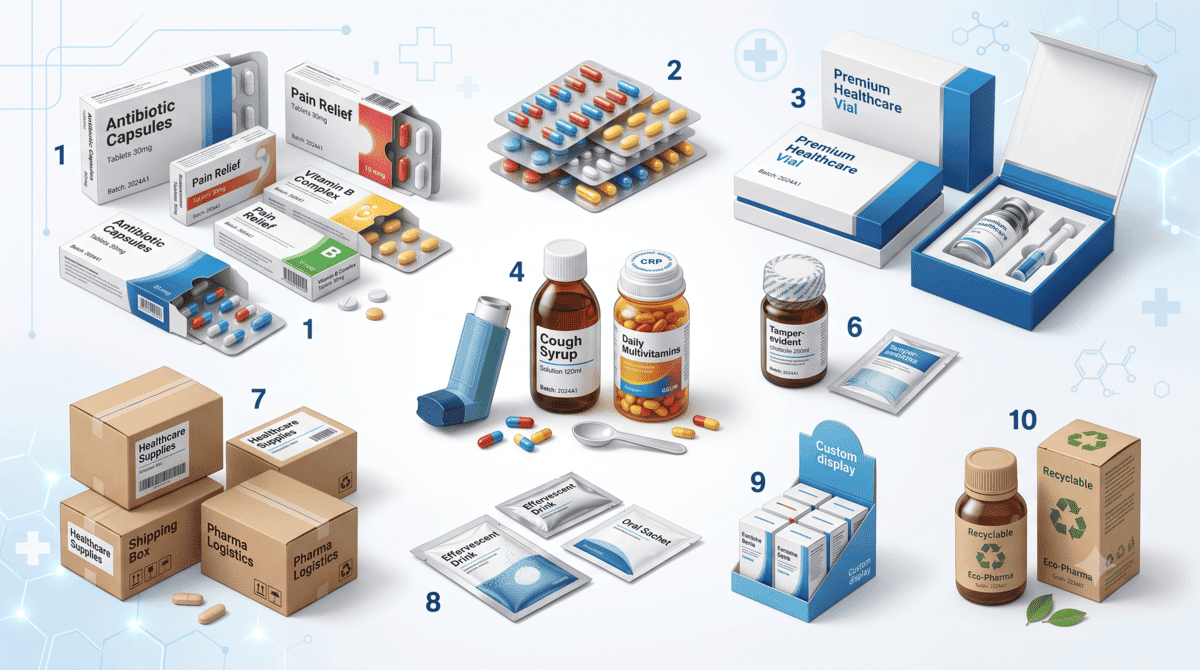
Pharmacy packaging is much more than a container for medicines. It protects products from contamination, preserves their quality, ensures compliance with healthcare regulations, and communicates essential information to patients. In today's competitive pharmaceutical market, packaging also plays a significant role in branding, product differentiation, and customer confidence.
Whether you're manufacturing prescription medications, over-the-counter (OTC) products, dietary supplements, or medical devices, choosing the right pharmacy packaging can improve product safety while enhancing your brand's professional image. Different products require different packaging solutions, depending on factors such as dosage form, shelf life, transportation, and regulatory requirements.
In this guide, we'll explore the top 10 types of pharmacy packaging every healthcare brand should know, along with their benefits, common applications, and how to select the right solution for your products.
Why Choosing the Right Pharmacy Packaging Matters?
Pharmaceutical packaging directly affects product quality, patient safety, and operational efficiency. Beyond protecting medicines during storage and transportation, it helps manufacturers comply with industry regulations by providing space for dosage instructions, ingredient lists, batch numbers, expiry dates, barcodes, and safety warnings.
Well-designed medicine packaging boxes also improve shelf appeal, reinforce brand identity, and create trust among healthcare professionals and consumers. As sustainability becomes increasingly important, many pharmaceutical companies are also adopting recyclable and eco-friendly packaging materials to reduce environmental impact.
Selecting the right packaging solution ensures your products remain safe, compliant, and attractive throughout the supply chain.
Top 10 Types of Pharmacy Packaging
1. Folding Carton Boxes
Folding carton boxes are the most widely used form of pharmaceutical packaging. Manufactured from SBS paperboard, kraft paper, or recycled cardboard, these lightweight cartons provide an economical solution for packaging tablets, capsules, ointments, syrups, and blister packs.
Their smooth printing surface allows manufacturers to include branding, dosage information, barcodes, QR codes, and mandatory regulatory labeling without compromising design quality.
Best for:
-
Prescription medicines
-
OTC products
-
Capsules
-
Tablets
-
Creams and ointments
Benefits:
-
Affordable production
-
Lightweight and easy to transport
-
Recyclable materials
-
Excellent print quality
-
Ideal for high-volume manufacturing
2. Blister Packaging
Blister packaging is commonly used for unit-dose medicines, particularly tablets and capsules. Individual cavities protect each dose from moisture, air, and contamination while making it easy for patients to follow prescribed treatments.
Many blister packs also include tamper-evident features, improving product security and patient confidence.
Best for:
-
Tablets
-
Capsules
-
Vitamins
-
Daily medications
Benefits:
-
Excellent moisture protection
-
Easy dosage management
-
Tamper-evident design
-
Extended product shelf life
3. Corrugated Pharmacy Shipping Boxes
Corrugated boxes are designed for transporting pharmaceutical products safely through warehouses, distribution centers, hospitals, and retail pharmacies. Their multiple layers of fluted cardboard provide outstanding strength, reducing the risk of damage during shipping.
These boxes are commonly used as secondary packaging for bulk pharmaceutical orders and e-commerce deliveries.
Best for:
-
Wholesale medicine shipments
-
Hospital supplies
-
Distribution centers
-
E-commerce deliveries
Benefits:
-
High durability
-
Excellent stacking strength
-
Cost-effective transportation
-
Protects products during shipping
4. Rigid Medicine Boxes
Rigid medicine boxes are premium packaging solutions made from thick chipboard wrapped with decorative paper or specialty finishes. Unlike folding cartons, they retain their shape and offer superior protection against crushing and impact.
Healthcare brands often use rigid boxes for luxury supplements, wellness products, diagnostic devices, and medical gift sets where presentation is just as important as protection.
Best for:
-
Premium supplements
-
Wellness kits
-
Medical gift boxes
-
Diagnostic equipment
Benefits:
-
Luxury appearance
-
Exceptional durability
-
Premium branding opportunities
-
Supports custom inserts for added protection
5. Child-Resistant Packaging
Patient safety is a top priority in the pharmaceutical industry. Child-resistant packaging is specifically designed to reduce the risk of accidental access by young children while remaining accessible to adults.
These packaging solutions often feature push-and-turn caps, locking mechanisms, or specialized carton designs that comply with healthcare safety standards.
Best for:
-
Prescription medicines
-
Controlled substances
-
Household medications
Benefits:
-
Improves patient safety
-
Meets regulatory requirements
-
Reduces accidental poisoning risks
-
Builds consumer trust
6. Tamper-Evident Packaging
Tamper-evident packaging provides visible proof if a medicine has been opened or altered before reaching the consumer. This added layer of protection helps maintain product integrity and increases confidence in pharmaceutical brands.
Common tamper-evident features include shrink bands, tear strips, breakable seals, and security labels.
Best for:
-
Prescription medicines
-
OTC products
-
Liquid medicines
-
Nutritional supplements
Benefits:
-
Enhances product security
-
Supports regulatory compliance
-
Protects against contamination
-
Reassures consumers
7. Medicine Bottle Packaging
Many liquid medicines, syrups, vitamins, and nutritional supplements are packaged in glass or plastic bottles with protective outer cartons. These packaging systems combine durability with convenience while providing additional branding space through custom-printed cartons and labels.
Bottle packaging can also incorporate child-resistant closures and tamper-evident seals for enhanced safety.
Best for:
-
Syrups
-
Liquid medications
-
Vitamin supplements
-
Herbal products
Benefits:
-
Durable storage solution
-
Suitable for liquid products
-
Customizable labels and cartons
-
Supports safety features
8. Flexible Pharmacy Packaging
Flexible packaging includes sachets, stick packs, pouches, and other lightweight materials designed for single-use or powdered pharmaceutical products. This packaging format minimizes material usage while offering convenience for patients.
Flexible solutions are increasingly popular for travel-friendly healthcare products and nutritional supplements.
Best for:
-
Powder medicines
-
Oral rehydration salts
-
Single-dose supplements
-
Travel-sized healthcare products
Benefits:
-
Lightweight
-
Portable
-
Cost-efficient
-
Reduced packaging waste
9. Custom Display Packaging
Retail pharmacies and healthcare stores often use custom display packaging to improve product visibility and encourage impulse purchases. Counter display boxes organize products neatly while reinforcing brand identity through attractive printing and structural design.
Display packaging is particularly effective for seasonal promotions, OTC medicines, vitamins, and personal care products.
Best for:
-
Retail pharmacies
-
Vitamin displays
-
OTC medicines
-
Promotional healthcare products
Benefits:
-
Increases shelf visibility
-
Enhances branding
-
Improves product organization
-
Encourages retail sales
10. Sustainable Pharmacy Packaging
As environmental concerns continue to grow, healthcare companies are increasingly investing in sustainable packaging solutions. Recyclable paperboard, kraft materials, soy-based inks, and FSC-certified packaging help reduce environmental impact while meeting consumer expectations.
Eco-friendly pharmaceutical packaging demonstrates a brand's commitment to sustainability without compromising product protection.
Best for:
-
Environmentally conscious brands
-
OTC medicines
-
Supplements
-
Personal care products
Benefits:
-
Recyclable materials
-
Lower carbon footprint
-
Supports corporate sustainability goals
-
Appeals to eco-conscious consumers
Quick Comparison of Pharmacy Packaging Types
| Packaging Type | Best For | Protection | Branding | Cost |
|---|---|---|---|---|
| Folding Carton Boxes | Tablets & Capsules | High | Excellent | Low |
| Blister Packaging | Unit-Dose Medicines | Excellent | Moderate | Medium |
| Corrugated Boxes | Shipping & Distribution | Excellent | Moderate | Medium |
| Rigid Medicine Boxes | Premium Products | Excellent | Premium | High |
| Child-Resistant Packaging | Prescription Medicines | Excellent | Good | Medium |
| Tamper-Evident Packaging | Sensitive Products | High | Good | Medium |
| Medicine Bottle Packaging | Liquids & Syrups | High | Excellent | Medium |
| Flexible Packaging | Powders & Sachets | Moderate | Good | Low |
| Custom Display Packaging | Retail Products | Moderate | Excellent | Medium |
| Sustainable Packaging | Eco-Friendly Brands | High | Excellent | Medium |
How to Choose the Right Pharmacy Packaging?
Every pharmaceutical product has unique packaging requirements. Before selecting a solution, healthcare brands should evaluate several important factors:
-
Product Type: Tablets, liquids, powders, and medical devices require different packaging formats.
-
Regulatory Compliance: Ensure sufficient space for dosage instructions, safety warnings, serialization, and barcodes.
-
Protection Needs: Fragile or high-value products may require rigid boxes or protective inserts.
-
Distribution Channel: Retail, hospital, wholesale, and e-commerce shipments have different packaging demands.
-
Brand Positioning: Premium healthcare products benefit from luxury packaging, while high-volume medicines often prioritize efficiency.
-
Sustainability Goals: Recyclable and responsibly sourced materials help reduce environmental impact and meet consumer expectations.
-
Budget: Balance packaging quality with manufacturing, storage, and transportation costs.
Considering these factors will help you choose packaging that supports product safety, operational efficiency, and long-term brand growth.
Emerging Trends in Pharmaceutical Packaging
The pharmaceutical packaging industry continues to evolve as technology and consumer expectations change. Smart packaging solutions featuring QR codes now provide instant access to dosage instructions, authentication details, and digital patient information. Anti-counterfeit technologies, including serialization and unique identification codes, are becoming increasingly important for protecting brands and ensuring product authenticity.
At the same time, sustainable materials, minimalist designs, and digital printing technologies are helping healthcare companies reduce waste while improving production flexibility. As regulations continue to evolve, investing in innovative packaging solutions will enable pharmaceutical brands to remain competitive and build stronger relationships with healthcare providers and consumers.
Conclusion
The right pharmacy packaging does more than protect medicines—it supports patient safety, regulatory compliance, efficient distribution, and brand credibility. From affordable folding carton boxes and protective blister packs to premium rigid medicine boxes and sustainable packaging solutions, each option serves a specific purpose within the healthcare industry.
By understanding the strengths of different packaging types, healthcare brands can select solutions that align with their products, budget, and business goals. Investing in high-quality custom pharmacy packaging not only safeguards pharmaceutical products throughout the supply chain but also enhances customer trust, strengthens brand recognition, and creates a professional image in today's competitive healthcare market.

 Arabic
 French
 Spanish
 Portuguese
 Deutsch
 Turkish
 Dutch
Dutch
 Italiano
 Russian
 Romaian
 Portuguese (Brazil)
 Greek
Greek