
How Does Tajmeels Clinic Evaluate Prominent Ears During Consultation?
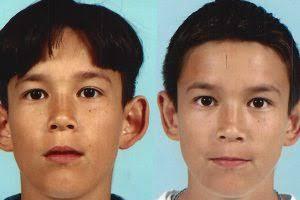
Prominent ears can affect the overall appearance of the face and sometimes influence a person's confidence. Some individuals naturally have ears that project farther from the head, while others may notice differences in ear shape, size, or positioning. Ear Reshaping in Dubai, also known as otoplasty, is a procedure designed to improve ear proportions and create a more balanced appearance.
Before considering treatment, a professional consultation is an important step. It helps determine the underlying reasons for prominent ears, understand individual concerns, and identify suitable treatment options. At Tajmeels Clinic, evaluating prominent ears involves considering several anatomical and aesthetic factors to develop an appropriate treatment plan.
Understanding What Makes Ears Prominent
Prominent ears are generally characterised by ears that extend farther from the sides of the head than usual. This appearance can be associated with differences in ear cartilage development, natural ear folds, or the positioning of the outer ear.
Common anatomical factors include:
-
Underdeveloped antihelical fold: The natural fold inside the ear may not be sufficiently defined, making the ear appear flatter and more prominent.
-
Deep conchal bowl: The central hollow section of the ear may be deeper than usual, pushing the outer ear forward.
-
Ear cartilage structure: Differences in cartilage shape, flexibility, and positioning can influence how far the ears project.
-
Uneven ear positioning: One ear may extend farther from the head than the other, creating visible asymmetry.
Understanding these characteristics helps a specialist determine which anatomical features contribute to the patient's concerns.
Reviewing the Patient's Main Concerns
An important part of the consultation is understanding what the patient wants to improve. Not everyone with prominent ears has the same aesthetic concerns.
Some individuals are primarily concerned about how far their ears project from their head. Others may feel that their ears have an unusual shape, uneven positioning, or an imbalance compared with their facial features.
During the consultation, patients may discuss:
-
Whether one or both ears appear prominent.
-
Concerns about ear size, shape, or positioning.
-
Previous injuries or procedures involving the ears.
-
Their expectations regarding ear reshaping.
-
Any concerns about symmetry and natural-looking results.
This discussion helps establish realistic expectations and ensures that the treatment plan addresses the patient's actual concerns rather than focusing only on general appearance.
Examining Ear Shape, Cartilage, and Structure
A physical examination allows the specialist to understand the anatomical features responsible for prominent ears. This assessment is particularly important because different ear structures may require different surgical approaches.
The specialist may examine the antihelical fold, conchal cartilage, earlobe, and the overall positioning of both ears. Cartilage thickness and flexibility may also be considered when planning correction.
The examination can help determine whether the prominence is mainly related to an underdeveloped ear fold, excessive conchal projection, or a combination of structural characteristics.
A careful assessment also helps identify whether both ears require similar correction or whether each ear needs a different approach.
Assessing Facial Proportions and Ear Symmetry
Ear reshaping is not simply about moving the ears closer to the head. Their relationship with the face is equally important.
During consultation, the specialist evaluates how the ears relate to the patient's head shape, facial proportions, and side profile. The distance between the ears and the head, their vertical positioning, and their overall appearance from different angles may be reviewed.
Natural differences between the two ears are common. Therefore, achieving perfect symmetry is not always realistic or necessary.
The objective is to create a balanced appearance while preserving the individual's natural ear characteristics. Excessive correction may produce an unnatural appearance, which is why careful planning is essential.
Discussing Suitable Ear Reshaping Options
Once the assessment is complete, the specialist can discuss whether otoplasty is appropriate. Otoplasty, commonly called ear pinning or ear correction surgery, is used to address prominent ears and certain structural concerns.
Depending on the patient's anatomy, surgical techniques may involve:
-
Reshaping the antihelical fold.
-
Adjusting the position of the conchal cartilage.
-
Using sutures to create or maintain natural ear folds.
-
Improving the positioning of the ears in relation to the head.
The appropriate approach depends on the underlying cartilage structure and the desired improvement.
The consultation should also cover the potential benefits, limitations, recovery process, possible complications, and expected results. Patients should have an opportunity to ask questions before making a treatment decision.
Evaluating Medical History and Surgical Suitability
Aesthetic assessment alone is not enough to determine whether someone is suitable for ear reshaping surgery. Medical history and general health are also important considerations.
The specialist may ask about previous surgeries, existing medical conditions, allergies, medications, and any history of healing problems. These details help identify factors that could influence surgical planning or recovery.
Patients should provide accurate medical information and discuss any concerns openly. A responsible evaluation also considers whether the patient's expectations are realistic and whether the potential benefits justify undergoing surgery.
If additional medical assessment is necessary, it should be completed before proceeding.
Personalised Prominent Ear Assessment at Tajmeels Clinic
At tajmeels clinic dubai, the consultation process for prominent ears focuses on understanding individual anatomy, aesthetic concerns, and treatment expectations. Rather than following the same approach for every patient, the assessment considers ear projection, cartilage structure, natural folds, and facial proportions.
The clinic's evaluation process helps identify the features contributing to prominent ears and supports discussions about suitable otoplasty options. Patients can discuss their concerns, understand the proposed approach, and learn about important considerations before making a decision.
Personalised planning is valuable because ear structures can differ considerably between individuals. A treatment approach that works for one patient may not be appropriate for another. The aim is to support informed decisions and plan improvements that respect natural ear anatomy.
What Happens After the Consultation?
After the initial assessment, patients can review the recommended treatment approach and discuss the next steps. If surgery is considered appropriate, the specialist explains the preparation requirements, anaesthesia considerations, recovery expectations, and follow-up arrangements.
Following otoplasty, patients may experience temporary swelling, bruising, tenderness, or discomfort. Recovery varies depending on the surgical technique and individual healing response. Following postoperative instructions and attending scheduled appointments are important for monitoring healing.
Patients should also understand that final results may take time to become fully apparent as swelling gradually settles.
Conclusion
Evaluating prominent ears requires more than measuring how far the ears extend from the head. A comprehensive consultation considers cartilage development, natural ear folds, symmetry, facial proportions, medical history, and individual expectations. At Tajmeels Clinic, this assessment supports personalised treatment discussions and helps patients understand their options for ear reshaping. A detailed evaluation is an important first step towards making an informed decision about otoplasty.
More Information
Tajmeels Clinic Dubai
WhatsApp: +971 56 203 8751
Phone: tel:+971 43739000
Social Media:

 Arabic
 French
 Spanish
 Portuguese
 Deutsch
 Turkish
 Dutch
 Italiano
 Russian
 Romaian
 Portuguese (Brazil)
 Greek