
Can People With Thin Donor Hair Still Qualify for Hair Transplant?
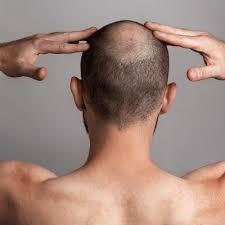
Hair thinning can affect both the recipient area and the donor area, making hair restoration decisions more complicated. People experiencing hair loss often wonder whether they can undergo a hair transplant if their donor hair is naturally thin or lacks sufficient density. The good news is that thin donor hair does not automatically mean someone is unsuitable for Hair Transplant in Dubai. However, eligibility depends on several factors, including follicle health, donor density, hair characteristics, scalp condition, and the extent of hair loss.
Understanding how donor hair influences transplant planning can help individuals make informed decisions and develop realistic expectations.
What Is the Donor Area in Hair Transplant Surgery?
The donor area is the region of the scalp from which healthy hair follicles are collected during a hair transplant. It is commonly located at the back and sides of the head because hair in these regions is often more resistant to the effects of androgenetic hair loss.
During procedures such as Follicular Unit Extraction (FUE), individual follicular units are carefully extracted and transferred to areas experiencing thinning or baldness.
The quality of the donor area plays an important role in determining how many grafts can be safely harvested. If the donor hair is naturally thin, the available follicle supply may be limited, requiring more careful treatment planning.
Can People With Thin Donor Hair Qualify for Hair Transplant?
Yes, some people with thin donor hair may still qualify for hair transplant surgery. However, having thin hair requires a detailed assessment before treatment.
A person with naturally fine hair may have healthy follicles and sufficient donor density. In contrast, someone experiencing progressive thinning throughout the scalp may have a limited supply of suitable grafts.
A qualified hair restoration professional considers several factors before determining suitability:
-
Donor hair density: The number of available follicular units within a specific scalp area.
-
Hair shaft thickness: Thick hair strands generally provide better visual coverage than very fine strands.
-
Follicle health: Healthy follicles are important for successful transplantation.
-
Scalp condition: Inflammation, scarring, or certain scalp conditions may affect treatment suitability.
-
Hair loss progression: Future hair loss must be considered when planning graft distribution.
Therefore, eligibility cannot be determined by hair thickness alone.
How Does Thin Donor Hair Affect Hair Transplant Results?
Donor hair characteristics can influence the appearance of the final result. People with finer hair may require more strategic graft placement to achieve satisfactory visual coverage.
For example, thick hair strands can create the appearance of greater density with fewer follicles. Fine hair may provide less coverage even when a similar number of grafts is transplanted.
The surgeon may consider the following factors:
Natural Hair Density: The number of follicles available for transplantation determines how much coverage can potentially be achieved.
Hair Texture: Hair texture and shaft diameter influence how much scalp coverage the transplanted hair can provide.
Graft Distribution: Strategic placement can help improve the appearance of density across selected areas.
Recipient Area Size: Treating a smaller area may be more realistic than attempting to cover extensive baldness when donor resources are limited.
It is important to understand that hair transplantation redistributes existing follicles rather than creating new ones.
What Are the Options for People With Limited Donor Hair?
People with limited donor density may have several options depending on their individual circumstances.
FUE Hair Transplant
FUE involves extracting individual follicular units from the donor area. It may be considered when sufficient healthy follicles are available and the extraction plan can preserve the appearance of the donor region.
FUT Hair Transplant
Follicular Unit Transplantation (FUT) involves removing a strip of scalp tissue from the donor area, which is then divided into individual grafts. This technique may be suitable for selected patients, depending on their scalp characteristics and treatment goals.
Non-Surgical Hair Restoration
If the donor supply is insufficient, non-surgical approaches may be considered. Depending on the cause of hair loss, options can include appropriate medical treatments or other hair restoration therapies.
These alternatives should be discussed with a qualified professional rather than selected without an assessment.
How Is Donor Hair Density Evaluated Before Surgery?
A detailed donor assessment helps determine whether transplantation is appropriate and how many grafts may be safely available.
The evaluation generally includes:
-
Scalp examination: The donor and recipient areas are examined to identify thinning patterns and scalp concerns.
-
Density assessment: Follicular density is evaluated to understand the available graft supply.
-
Hair shaft analysis: Hair thickness and texture are considered when estimating potential coverage.
-
Hair loss evaluation: The pattern and progression of hair loss are reviewed.
-
Treatment planning: A personalised plan is developed according to donor availability and realistic expectations.
In some cases, scalp dermoscopy or other examination methods may help assess follicular health and miniaturisation.
Can Thin Donor Hair Affect Long-Term Hair Transplant Planning?
Yes. Long-term planning is particularly important for people with limited donor resources. Hair loss may continue in untreated areas after transplantation, especially in individuals with hereditary hair loss.
If too many grafts are extracted during the initial procedure, fewer donor follicles may remain available for future restoration.
A responsible treatment plan considers the possibility of further hair loss and aims to preserve the donor area. Patients may also need ongoing medical management to help address progressive hair thinning, where clinically appropriate.
Hair transplant surgery does not stop the underlying hair loss process, so follow-up assessments can be valuable.
Hair Transplant Assessment at Tajmeels Clinic in Dubai
At tajmeels clinic dubai, hair transplant planning focuses on understanding individual hair restoration needs. People concerned about thin donor hair can benefit from an assessment of their scalp condition, follicular density, hair characteristics, and hair loss pattern.
The consultation process helps evaluate whether sufficient healthy donor follicles are available and which treatment approach may be appropriate. It also provides an opportunity to discuss realistic coverage expectations, possible limitations, and long-term hair restoration considerations.
Personalised assessment is important because every patient has different donor characteristics and treatment requirements.
Frequently Asked Questions
1. Is thin donor hair a reason to avoid hair transplant?
Not necessarily. Some individuals with naturally fine donor hair may still qualify if their follicular density and overall donor supply are suitable.
2. Can hair transplant increase donor hair density?
No. Hair transplantation moves existing follicles from one area to another. It does not increase the total number of natural hair follicles.
3. Does fine donor hair produce natural-looking results?
Fine donor hair can produce natural-looking results, but the achievable visual density may be different compared with thicker hair.
4. How many grafts are needed when donor hair is thin?
The required number depends on the recipient area, hair characteristics, available donor supply, and desired coverage. An individual assessment is necessary.
5. Can donor hair become thinner after transplantation?
The donor area can continue experiencing natural hair changes over time. Excessive extraction can also reduce its visible density, making careful graft planning essential.
Final Thoughts
People with thin donor hair may still be candidates for hair transplant surgery, but suitability depends on follicular health, donor density, hair thickness, and long-term hair loss patterns. A professional evaluation helps identify available options and establish realistic expectations. Careful planning is essential to protect the donor area while achieving the best possible coverage from the available follicles.
More Information
Tajmeels Clinic Dubai
WhatsApp: +971 56 203 8751
Phone: tel:+971 43739000
Social Media:

 Arabic
 French
 Spanish
 Portuguese
 Deutsch
 Turkish
 Dutch
 Italiano
 Russian
 Romaian
 Portuguese (Brazil)
 Greek