
Why Are Your Teeth Sensitive to Cold Drinks and Hot Food? Understanding Tooth Sensitivity
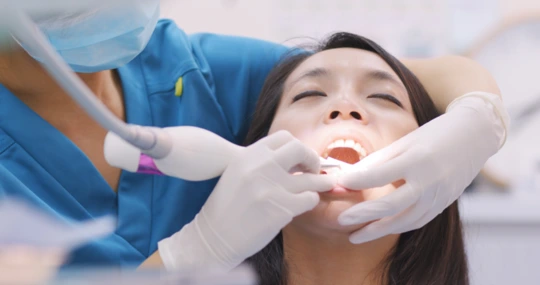
Enjoying a cold drink or a hot meal should not cause discomfort. However, people with sensitive teeth may experience a sudden sharp sensation when consuming something cold, hot, sweet or acidic. This discomfort can make everyday eating and drinking less enjoyable, particularly when it happens repeatedly. For individuals living around Clementi and West Coast, consulting a suitable dentist at west coast can help identify the reason behind tooth sensitivity and determine whether treatment is necessary.
Tooth sensitivity is a symptom rather than a specific dental diagnosis. It can develop because of exposed dentine, enamel erosion, gum recession, tooth decay or damage to existing dental restorations. Understanding the possible causes is important because the most appropriate treatment depends on the condition affecting the tooth.
What Is Tooth Sensitivity?
Tooth sensitivity, also known as dentine hypersensitivity when its characteristic criteria are met, typically involves short, sharp discomfort triggered by external stimuli.
These triggers may include cold drinks, hot beverages, sweet foods, acidic products or even cold air.
Dentine is the layer underneath the enamel and cementum. It contains microscopic channels called dentinal tubules that connect towards the dental pulp.
When dentine becomes exposed, certain stimuli can trigger fluid movement within these tubules and produce a pain response. However, not every sensitive tooth has exposed dentine, which is why proper examination is important.
Common Causes of Sensitive Teeth
Enamel Wear
Tooth enamel is the hard outer layer that protects the underlying structures.
Frequent exposure to acidic foods and drinks, aggressive brushing and certain dental conditions can contribute to enamel wear.
When the protective enamel becomes thinner, the underlying dentine may become more exposed and sensitive.
Gum Recession
Gum recession occurs when the gum tissue moves away from the tooth surface.
This can expose the root surface, which does not have the same protective enamel covering as the visible crown of the tooth.
Exposed root dentine may react to cold temperatures, brushing and certain foods.
Tooth Decay
A cavity can cause sensitivity when the decay affects the tooth's structure.
Some patients initially notice discomfort when eating sweet foods or drinking cold beverages. As decay progresses, the symptoms may become more persistent.
A dental examination helps determine whether a filling or another treatment is necessary.
Cracked or Damaged Teeth
A cracked tooth may cause discomfort when biting, chewing or releasing pressure.
The symptoms can sometimes be difficult to identify because the crack may not be visible during an ordinary visual examination.
A dentist may recommend additional diagnostic methods to investigate the affected tooth.
Worn Dental Fillings
Existing fillings may become worn, damaged or develop problems at their margins.
When this happens, the tooth may become sensitive to temperature changes or pressure.
The dentist can examine the restoration and determine whether repair, replacement or another treatment is appropriate.
Why You Should Not Ignore Persistent Tooth Sensitivity
Occasional mild sensitivity does not always indicate a serious problem. However, repeated or worsening discomfort should be evaluated by a dental professional.
The underlying cause may involve an issue that requires treatment, such as decay, a cracked tooth or gum disease.
Using desensitising toothpaste may help certain types of sensitivity, but it will not repair a cavity or treat an infected tooth.
If sensitivity affects one particular tooth, causes spontaneous pain or continues despite appropriate home care, arrange a dental assessment.
How a Dentist Diagnoses Sensitive Teeth
A proper diagnosis begins with understanding the symptoms.
The dentist may ask when the sensitivity started, which foods or drinks trigger it, whether the discomfort is limited to one tooth and how long the sensation lasts.
The affected tooth and surrounding gums are then examined for signs of decay, cracks, exposed root surfaces or damaged restorations.
Depending on the findings, the dentist may perform additional tests or recommend dental X-rays to investigate the underlying structures.
This process helps distinguish dentine hypersensitivity from other conditions that may produce similar symptoms.
Treatment Options for Sensitive Teeth
The appropriate treatment depends on the underlying cause.
Desensitising Toothpaste
Desensitising toothpaste contains ingredients that help reduce sensitivity by blocking dentinal tubules or affecting nerve response.
It may take regular use over several weeks before improvement becomes noticeable.
Choose an appropriate fluoride toothpaste and follow the product instructions. If sensitivity continues, seek professional advice.
Fluoride Treatments
Professional fluoride applications may help strengthen enamel and support the management of certain sensitivity problems.
Your dentist can determine whether this approach is appropriate based on the condition of your teeth.
Dental Bonding
When exposed dentine or localised root surfaces are responsible for sensitivity, bonding materials may sometimes be used to cover the affected area.
The suitability of this treatment depends on the location and extent of the exposed surface.
Dental Fillings
If tooth sensitivity is caused by decay, a filling may be required to restore the damaged area.
Treating the cavity helps address the underlying problem rather than simply reducing the sensation.
Treatment for Gum Problems
When gum recession or periodontal disease contributes to sensitivity, treatment may involve managing inflammation, improving cleaning techniques or addressing other contributing factors.
The dentist will explain whether further periodontal care is necessary.
Everyday Habits That Can Reduce Tooth Sensitivity
Your daily habits can influence how frequently sensitive teeth cause discomfort.
Use a soft-bristled toothbrush and avoid brushing aggressively. Gentle circular movements are generally preferable to forceful horizontal scrubbing.
Limit frequent exposure to acidic beverages such as soft drinks and fruit juices. If you consume acidic drinks, avoid brushing immediately afterwards because softened enamel may be more vulnerable to abrasion.
Use fluoride toothpaste regularly and clean between your teeth to maintain good oral hygiene.
If you grind your teeth, discuss the problem with your dentist because excessive biting forces may contribute to tooth wear and sensitivity.
When Should You See a Dentist?
Arrange a dental examination if sensitivity persists, becomes worse or affects your ability to eat and drink comfortably.
You should also seek assessment if the discomfort is limited to one tooth, occurs spontaneously or is accompanied by swelling, pain when biting or visible damage.
Severe pain with facial swelling or fever requires urgent professional assessment. Difficulty breathing or swallowing requires emergency medical attention.
Do not assume that every sensitive tooth can be managed with toothpaste alone.
Frequently Asked Questions
Why do my teeth hurt when I drink cold water?
Cold sensitivity may be associated with exposed dentine, gum recession, enamel wear, cavities or damaged fillings. A dental examination helps identify the actual cause.
Can sensitive teeth become normal again?
Some forms of sensitivity improve with appropriate treatment and changes in oral hygiene habits. However, the outcome depends on the underlying cause.
Does whitening toothpaste cause sensitivity?
Some whitening products may contribute to sensitivity, particularly when used excessively or when the teeth are already vulnerable. Discuss suitable products with your dentist.
Should I stop drinking cold beverages?
You do not necessarily need to avoid all cold drinks. However, temporarily reducing triggers may help while you arrange an assessment and identify the cause.
How long does desensitising toothpaste take to work?
Some products require consistent use over several weeks. Follow the manufacturer's instructions and seek professional advice if symptoms persist.
Is tooth sensitivity a sign of a cavity?
It can be, but there are several other possible causes. A dentist needs to examine the tooth to establish an accurate diagnosis.
Enjoy Everyday Meals With Better Dental Comfort
Sensitive teeth can make ordinary activities uncomfortable, but identifying the underlying cause is the most important step towards appropriate management. Whether your symptoms are related to exposed dentine, enamel wear, gum recession or tooth decay, professional advice can help you understand the available options.
For residents searching for a dentist at west coast, Ginzadental is worth considering when exploring dental care around Clementi and nearby neighbourhoods. Discuss your sensitivity symptoms, enquire about an appropriate examination and understand which treatment options may suit your condition. Do not let recurring discomfort take away the enjoyment of everyday meals and drinks. Take care of your teeth and move towards a more comfortable smile with Ginza Dental.

 Arabic
 French
 Spanish
 Portuguese
 Deutsch
 Turkish
 Dutch
 Italiano
 Russian
 Romaian
 Portuguese (Brazil)
 Greek