
Aromatherapy Moisturizer: Benefits & How to Choose
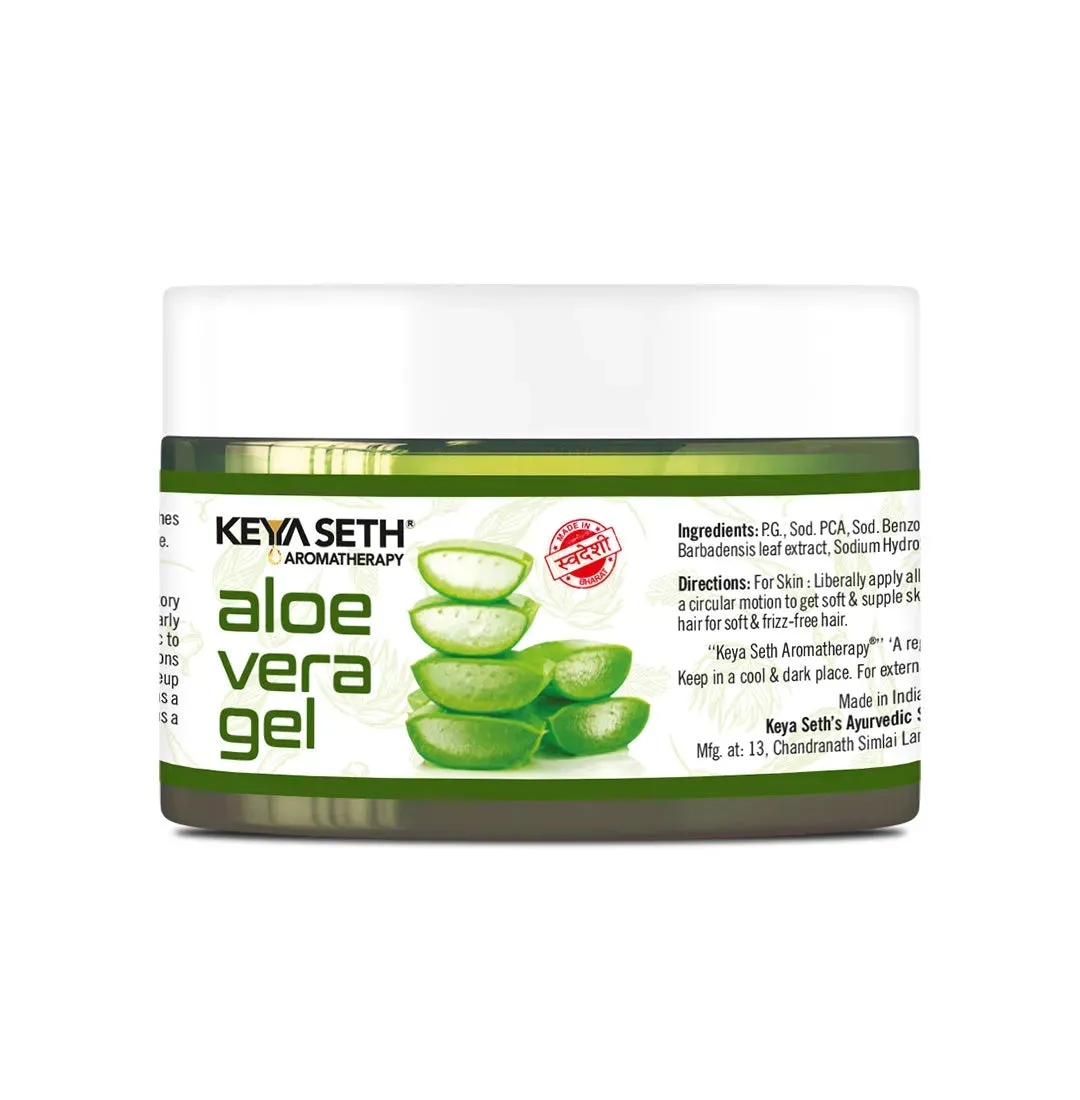
An Aromatherapy Moisturizer combines everyday skin hydration with the sensory experience of carefully selected aromatic plant extracts. It can help keep the skin soft, comfortable, and moisturized while adding a pleasant fragrance to a daily self-care routine.
Many people treat moisturizing as a basic skincare step. They apply a cream quickly after bathing and move on with their day. However, the right moisturizer can do more than reduce dryness. It can make a skincare routine feel calming, refreshing, or comforting, depending on its ingredients and aroma.
Aromatherapy-inspired skincare has become popular among people who want practical skin support and a more enjoyable personal-care experience. A moisturizer scented with lavender may feel suitable for an evening routine, while a citrus-scented formula may feel more energizing in the morning.
However, not every fragranced cream is an aromatherapy product, and not every essential oil is suitable for every skin type. Choosing the right formula requires an understanding of ingredients, skin needs, fragrance sensitivity, and safe application.
This guide explains what an aromatherapy moisturizer is, how it works, its possible benefits, which ingredients to look for, common mistakes to avoid, and how to select a product that fits your skin and lifestyle.
What Is an Aromatherapy Moisturizer?
An aromatherapy moisturizer is a skincare product that hydrates the skin while using aromatic botanical ingredients to create a sensory experience.
The moisturizing part of the formula may contain humectants, emollients, and occlusives. These ingredients attract water, soften the skin, and help reduce moisture loss. The aromatherapy element may come from essential oils, botanical extracts, hydrosols, or naturally derived aromatic compounds.
In simple terms, it is similar to a regular moisturizer with an added focus on scent and sensory well-being.
How Is It Different from a Regular Moisturizer?
A regular moisturizer mainly focuses on supporting skin hydration and the skin barrier. An aromatherapy formula may offer the same moisturizing function while also providing a noticeable botanical aroma.
The key difference is the overall experience.
For example, a basic fragrance-free cream may be designed purely for sensitive or dry skin. A lavender-infused moisturizer may be designed to moisturize the skin while making an evening routine feel more peaceful.
The fragrance does not automatically make the formula more effective at moisturizing. Hydration still depends on the quality and balance of the moisturizing ingredients.
Is Every Scented Lotion an Aromatherapy Product?
No. A scented lotion is not necessarily an aromatherapy moisturizer.
Some lotions use synthetic perfume primarily to make the product smell pleasant. Aromatherapy products usually highlight botanical aromas such as lavender, rose, chamomile, eucalyptus, sandalwood, peppermint, or citrus oils.
However, the word “natural” does not always mean “gentle.” Natural fragrance ingredients can still irritate sensitive skin. The complete ingredient list matters more than marketing terms on the front of the package.
How Does an Aromatherapy Moisturizer Work?
An aromatherapy moisturizer works in two main ways. It supports skin hydration, and it creates a sensory response through aroma.
The skin benefits come from moisturizing ingredients. The sensory experience comes from the scent that is noticed during and after application.
Moisturizing Ingredients Support the Skin Barrier
The skin barrier is the outermost protective layer of the skin. It helps keep moisture inside while protecting the body from environmental irritants.
When the barrier becomes dry or weakened, the skin may feel rough, tight, itchy, or uncomfortable. Moisturizers help by adding water, smoothing dry areas, and slowing moisture loss.
A well-formulated moisturizer may include three major ingredient groups:
- Humectants attract water to the skin.
- Emollients smooth and soften rough areas.
- Occlusives create a protective layer that reduces water loss.
Glycerin, hyaluronic acid, aloe vera, and urea are common humectants. Plant oils, ceramides, squalane, and shea butter can work as emollients. Petrolatum, waxes, and thicker butters can provide occlusive protection.
Aroma Creates a Sensory Experience
Scent is closely connected to memory and emotion. A familiar fragrance can remind someone of a spa, garden, holiday, or relaxing evening.
This does not mean that a scented cream can treat a medical or psychological condition. It means that aroma may influence how a person experiences a routine.
For example, applying a soothing botanical cream slowly before bed may encourage someone to pause, breathe deeply, and create a more consistent nighttime ritual. The routine itself can become a signal that the active part of the day is ending.
Massage Adds to the Experience
The way a moisturizer is applied can also influence the experience.
A person who rubs lotion quickly into the skin may notice only basic softness. Someone who applies it with slow, gentle movements may experience the process as a short self-care ritual.
The combination of touch, aroma, and skin comfort can make moisturizing feel more intentional. This is one reason aromatherapy body creams are often used after bathing, before sleep, or during home spa routines.
What Are the Benefits of an Aromatherapy Moisturizer?
The main benefit of an aromatherapy moisturizer is skin hydration. Additional benefits depend on the formula, aroma, application method, and personal preference.
It is important to separate realistic benefits from exaggerated claims. A moisturizer can support skin comfort and enhance a routine, but it should not be presented as a cure for stress, anxiety, insomnia, eczema, or other health conditions.
Helps Reduce Dryness
A good moisturizer helps replenish hydration and reduce water loss from the skin.
Dry skin can develop because of cold weather, hot showers, air conditioning, frequent handwashing, harsh cleansers, age, or environmental exposure. Applying moisturizer regularly can help the skin feel softer and less tight.
The American Academy of Dermatology commonly advises applying moisturizer after bathing or washing, when the skin is still slightly damp. This helps trap some of the remaining moisture.
Supports a Healthier Skin Barrier
A strong skin barrier helps the skin retain moisture and defend itself against everyday irritants.
Ingredients such as ceramides, fatty acids, squalane, shea butter, and plant oils may support the barrier by replacing some of the lipids found naturally in the skin.
Think of the skin barrier as a brick wall. Skin cells are the bricks, while natural fats act like the mortar holding everything together. When the mortar becomes weak, moisture escapes more easily. Barrier-supporting ingredients help fill the gaps.
Makes Skincare More Enjoyable
Consistency is one of the most important parts of skincare.
A product can contain excellent ingredients, but it will not help much if it remains unused on a shelf. A pleasant texture and aroma may encourage more regular application.
For someone who dislikes heavy, medicinal-smelling creams, a lightly scented moisturizer may make daily care feel more appealing. Enjoyment can support consistency, and consistency often leads to better results.
Encourages a Relaxing Routine
Certain fragrances are commonly associated with calm environments.
Lavender, chamomile, sandalwood, and rose are often used in evening or relaxation-focused products. The aroma itself may create a comforting atmosphere, especially when combined with slow breathing and gentle massage.
A practical example would be applying moisturizer to the hands, shoulders, and feet after a warm shower. The person may then reduce screen time, dim the lights, and prepare for sleep. The moisturizer becomes one part of a larger wind-down routine.
Can Create an Energizing Morning Experience
Not every aromatherapy product is designed for relaxation.
Citrus, mint, rosemary, and eucalyptus aromas are commonly used in refreshing morning products. These scents may make a person feel more awake or mentally refreshed.
For example, a lightweight citrus body lotion applied after a morning shower may feel more suitable than a rich lavender cream. The product choice can match the time of day and the mood the person wants to create.
Adds Comfort During Hand or Foot Massage
Hands and feet often become dry because they are exposed to washing, footwear, friction, and environmental conditions.
A richer aromatherapy cream can be used during hand or foot massage. The moisturizer softens the skin while the massage may help the muscles feel more relaxed after a long day.
This can be especially enjoyable for people who stand for long hours, work at a computer, or frequently wash their hands.
Common Aromatherapy Ingredients and Their Uses
Different botanical aromas create different sensory experiences. Their suitability also depends on skin type and concentration.
Essential oils are highly concentrated. They should normally be used in properly formulated skincare products rather than applied directly to the skin.
Lavender
Lavender is one of the most widely recognized aromatherapy ingredients.
Its soft floral and herbal aroma is often associated with relaxation and evening routines. Lavender-scented moisturizers are commonly used after bathing or before bedtime.
People with sensitive skin should still patch-test lavender products. Even widely used botanical ingredients may cause irritation in some individuals.
Chamomile
Chamomile has a gentle, slightly sweet herbal aroma.
It is often used in products designed to feel comforting or calming. Chamomile may be paired with oat, aloe vera, shea butter, or calendula in moisturizers intended for dry-feeling skin.
Individuals with known allergies to plants in the daisy family should review chamomile products carefully and consult a qualified professional when necessary.
Rose
Rose has a rich floral fragrance often associated with luxury and traditional beauty rituals.
Rose water, rose hydrosol, and rose oil may appear in face creams, body lotions, hand creams, and facial mists. The aroma can make a simple skincare routine feel more indulgent.
Rose-scented products vary widely. Some contain genuine botanical extracts, while others use fragrance blends. Reading the ingredient list helps clarify what is actually included.
Sandalwood
Sandalwood has a warm, woody, and grounding aroma.
It is frequently used in body creams, massage products, and nighttime skincare. Its deeper scent may appeal to people who find sweet floral fragrances overwhelming.
Because authentic sandalwood oil can be expensive, some products may use fragrance substitutes. Consumers interested in sourcing and authenticity should review the brand’s ingredient and sustainability information.
Citrus Oils
Lemon, orange, grapefruit, bergamot, and mandarin are common citrus ingredients.
Citrus scents often feel bright, clean, and refreshing. They are popular in morning body lotions and lightweight summer products.
Some citrus essential oils can increase sensitivity to sunlight, particularly when they contain certain naturally occurring compounds. This is known as phototoxicity. Products intended for daytime use should be properly formulated, and instructions on the label should be followed.
Peppermint
Peppermint creates a cool, sharp, and refreshing sensation.
It may be used in foot creams, massage lotions, and products intended for tired-feeling legs. However, peppermint can feel too intense for sensitive skin, facial use, or application near the eyes.
A stronger sensation does not necessarily mean that a product is working better. Tingling can sometimes indicate irritation.
Eucalyptus
Eucalyptus has a clean, fresh, and distinctive herbal aroma.
It is often included in body lotions, chest balms, foot creams, and post-shower products. Its scent may make a routine feel fresh and spa-like.
Eucalyptus products should be kept away from the eyes and used according to the manufacturer’s directions. Extra caution is appropriate around young children and pets.
Tea Tree
Tea tree oil has a strong medicinal and herbal aroma.
It may appear in products marketed toward oily or blemish-prone skin. However, it can be irritating when used too frequently or at an unsuitable concentration.
A tea tree moisturizer should still contain effective hydrating ingredients. Essential oil alone does not replace the need for humectants, emollients, or barrier-supporting ingredients.
How to Choose the Right Aromatherapy Moisturizer
Choosing the right product requires more than selecting a favorite scent.
The best option should suit your skin type, intended body area, fragrance tolerance, climate, and daily routine.
Identify Your Skin Type
Start by observing how your skin behaves.
Dry skin often feels tight, rough, flaky, or uncomfortable. Oily skin may appear shiny and feel greasy. Combination skin may be oily in some areas and dry in others. Sensitive skin may react easily to fragrance, weather, or new products.
Your skin type can change with age, season, hormones, medication, travel, and lifestyle. A lightweight lotion that works in summer may not provide enough protection during winter.
Choose the Right Texture
Texture affects both comfort and performance.
Lotions are usually lightweight and easy to spread. They may suit normal skin, humid weather, or daytime use.
Creams are thicker and often better for dry skin or cooler weather. They can provide longer-lasting comfort.
Balms and body butters are richer. They may work well on elbows, knees, heels, hands, and very dry areas.
Facial moisturizers should be specifically designed for the face. A rich body butter may feel too heavy or increase the chance of clogged pores when applied facially.
Review the Moisturizing Ingredients
Look beyond the fragrance.
A useful aromatherapy moisturizer should contain ingredients that actually hydrate and soften the skin. Glycerin, hyaluronic acid, aloe vera, panthenol, ceramides, squalane, shea butter, and suitable plant oils are common examples.
The ideal formula usually contains a combination of water-attracting and barrier-supporting ingredients.
A beautifully scented product with weak moisturizing ingredients may smell pleasant but fail to address dryness.
Consider Fragrance Strength
Fragrance preferences are personal.
Some people enjoy a noticeable aroma that lasts for several hours. Others prefer a scent that fades shortly after application.
Strong fragrance may be uncomfortable for people with migraines, respiratory sensitivity, fragrance allergies, or reactive skin. It may also conflict with perfume or other scented products.
A lightly scented formula may be more practical for everyday use.
Check for Potential Irritants
Essential oils and botanical extracts are not automatically safe for everyone.
Review the ingredient list for substances you have reacted to before. Alcohol, strong fragrance blends, concentrated essential oils, preservatives, and certain plant extracts can cause discomfort in sensitive individuals.
The European Commission’s cosmetics regulations and international fragrance-industry standards recognize several fragrance allergens that may need to be declared on product labels, depending on the market and concentration.
Clear labeling is a positive sign. It helps consumers make informed choices.
Match the Product to the Application Area
A face moisturizer should be designed for facial skin.
Facial skin is generally more exposed and may be more prone to irritation or clogged pores. Body lotions are usually designed for larger and often less sensitive areas.
Hand creams may be thicker because hands are washed frequently. Foot creams may contain richer moisturizers or cooling ingredients. Eye-area products should be specifically formulated for use near the eyes.
Using a product in the correct area reduces the likelihood of discomfort.
Check the Packaging
Packaging can influence product quality and convenience.
Pump bottles reduce repeated contact with the product and are easy to use. Tubes are portable and allow controlled dispensing. Jars may suit thicker creams but require clean hands or a spatula.
Dark or opaque packaging may help protect ingredients that are sensitive to light. Products should also be stored away from excessive heat and direct sunlight.
Consider the Brand’s Transparency
A trustworthy brand should explain what its product contains and how it should be used.
Look for a complete ingredient list, clear warnings, manufacturing details, expiration guidance, and customer support information.
Be cautious of products that make extreme promises such as curing anxiety, permanently repairing skin overnight, detoxifying the body, or treating medical skin conditions without evidence.
Responsible skincare marketing focuses on realistic cosmetic benefits.
How to Use an Aromatherapy Moisturizer Correctly
Correct application improves both hydration and the sensory experience.
The process does not need to be complicated. A few simple steps can make the product more effective.
Step 1: Cleanse Gently
Use a gentle cleanser or wash the area with lukewarm water.
Very hot water can remove natural oils and leave the skin feeling dry. Harsh soaps may also weaken the skin barrier, especially when used repeatedly.
Pat the skin gently with a towel instead of rubbing aggressively.
Step 2: Apply to Slightly Damp Skin
Apply moisturizer while the skin is still slightly damp.
This is especially useful after a bath, shower, or handwashing. The moisturizer helps trap some of the water remaining on the skin.
Do not apply to dripping-wet skin unless the product instructions specifically recommend it.
Step 3: Use the Right Amount
Start with a small amount and add more if needed.
Using too little may not cover the skin properly. Using too much can leave an uncomfortable greasy layer.
The correct amount depends on the product texture and application area.
Step 4: Massage Gently
Spread the moisturizer using slow, gentle movements.
There is no need to press hard. Use circular motions on larger body areas and lighter movements on delicate skin.
Take a few natural breaths while applying the product. Avoid inhaling directly from the container or placing concentrated product close to the nose.
Step 5: Reapply When Necessary
Dry areas may need more than one application per day.
Hands may require moisturizer after washing. Feet may benefit from a richer application before bed. Exposed skin may need extra care during winter or in air-conditioned environments.
Follow your skin’s needs rather than applying the product excessively.
Should You Patch-Test an Aromatherapy Moisturizer?
Yes. Patch testing is a sensible step, especially for sensitive or allergy-prone skin.
A patch test means applying a small amount of product to a limited area before using it more widely.
How to Perform a Basic Patch Test
Apply a small amount to the inner arm or another discreet area.
Leave the product in place and observe the skin according to the product directions. Avoid testing several new products on the same area at the same time.
Stop using the product if you notice persistent redness, swelling, itching, burning, blistering, or significant discomfort.
A home patch test cannot guarantee that a reaction will never occur. However, it may help identify an obvious sensitivity before full application.
When to Seek Professional Advice
Consult a dermatologist or qualified healthcare professional when you have eczema, psoriasis, severe allergies, recurring rashes, open wounds, or an existing skin condition.
Professional guidance is also important if a product causes a strong or lasting reaction.
A cosmetic moisturizer should not replace prescribed treatment.
Common Mistakes to Avoid
Many problems occur because a product is used incorrectly rather than because the product is completely unsuitable.
Avoiding a few common mistakes can improve safety and results.
Applying Undiluted Essential Oils
Essential oils are concentrated substances.
Applying them directly to the skin can cause irritation, burns, allergic reactions, or increased sun sensitivity. A few drops may appear harmless, but concentration matters.
Choose a professionally formulated product or use properly diluted blends prepared according to reliable safety guidance.
Choosing Only by Scent
A pleasant aroma does not guarantee effective moisturization.
A product may smell luxurious but contain few ingredients that support dry skin. Always review the complete formula and product purpose.
The scent should be considered after skin compatibility and moisturizing performance.
Assuming Natural Means Hypoallergenic
Natural products can still cause reactions.
Poison ivy is natural, but it can severely irritate the skin. The same principle applies to cosmetic ingredients. Plant-based does not automatically mean non-irritating.
People with sensitive skin should be especially careful with strong essential oils and complex botanical blends.
Using Body Cream on the Face
Body products may be too heavy or strongly scented for facial skin.
They may contain ingredients that feel comfortable on the arms or legs but cause clogged pores, stinging, or irritation on the face.
Use products according to their intended application area.
Ignoring Sun Sensitivity
Some citrus oils may increase sensitivity to ultraviolet light.
Using a phototoxic ingredient before sun exposure can increase the risk of a skin reaction. Follow product warnings and use appropriate sun protection.
The World Health Organization and dermatology organizations emphasize protecting the skin from excessive ultraviolet exposure through shade, clothing, and suitable sunscreen.
Continuing After Irritation
Burning is not proof that a product is effective.
Mild cooling from peppermint may be expected, but persistent stinging, redness, swelling, or itching is a reason to stop.
Wash the product off gently and seek professional advice if the reaction is severe or does not improve.
Expecting Medical Results
An aromatherapy moisturizer is a cosmetic product.
It may help with dryness and make a routine more enjoyable, but it should not be expected to diagnose, prevent, or cure a medical condition.
Products making medical-style promises should be evaluated carefully.
Real-World Ways to Use an Aromatherapy Moisturizer
The best product is one that fits naturally into daily life.
Here are several realistic scenarios showing how an aromatherapy moisturizer may be used.
A Calming Evening Routine
A person with dry hands may keep a lavender or chamomile hand cream beside the bed.
After finishing evening tasks, they wash their hands, apply a small amount of cream, and massage it into the fingers and cuticles. The aroma becomes part of a consistent bedtime routine.
The moisturizer helps reduce dryness, while the repeated ritual creates a sense of closure at the end of the day.
A Refreshing Morning Routine
Someone who prefers energizing scents may choose a lightweight citrus lotion.
They apply it after a morning shower while the skin is slightly damp. The light texture absorbs quickly, and the fragrance feels fresh without replacing practical skincare.
This approach may be especially suitable in warm or humid weather.
A Home Spa Experience
A richer rose or sandalwood body cream can be used after a warm bath.
The person may apply it slowly to the arms, shoulders, legs, and feet. Soft lighting and relaxing music can make the routine feel more intentional.
The moisturizer is not performing a medical treatment. It is supporting skin comfort while enhancing the sensory environment.
Care for Frequently Washed Hands
Healthcare workers, parents, cleaners, cooks, and office workers may wash or sanitize their hands many times each day.
A lightly scented hand moisturizer with glycerin, ceramides, or shea butter can help reduce dryness. However, fragrance-free options may be better for people with cracked or highly sensitive skin.
Practical performance should always come before aroma.
Post-Travel Skin Comfort
Air-conditioned vehicles, aircraft cabins, climate changes, and unfamiliar water can leave the skin feeling dry.
A travel-sized aromatherapy moisturizer may provide comfort after cleansing. A familiar scent can also make a hotel or temporary environment feel more relaxing.
The product should be packed securely and used according to travel regulations.
Who Should Avoid Aromatherapy Moisturizers?
Aromatherapy moisturizers are not suitable for everyone.
People with highly sensitive skin, fragrance allergies, active dermatitis, or a history of essential-oil reactions may prefer fragrance-free products.
Babies and Young Children
Children’s skin can be more sensitive than adult skin.
Essential oils should not be used casually on babies or young children. Products should be specifically formulated for the child’s age and used under appropriate professional guidance.
Pregnant or Breastfeeding Individuals
Some people choose to avoid certain essential oils during pregnancy or breastfeeding.
Safety depends on the ingredient, concentration, application method, and individual health situation. A healthcare professional can provide personalized guidance.
People with Respiratory Sensitivity
Strong fragrances may be uncomfortable for people with asthma, migraines, or scent-triggered symptoms.
A fragrance-free moisturizer may be a better choice in these cases.
People with Broken or Irritated Skin
Avoid applying fragranced products to open wounds, severely cracked skin, burns, or actively inflamed areas unless a qualified professional has recommended the product.
Damaged skin may react more strongly to fragrance ingredients.
Frequently Asked Questions About Aromatherapy Moisturizer
Can an Aromatherapy Moisturizer Be Used Every Day?
Yes, it may be used daily when the product is suitable for your skin and intended for regular use.
Follow the label instructions and stop if irritation develops. People with sensitive skin may prefer less frequent use or a fragrance-free alternative.
Can It Replace Perfume?
A strongly scented body lotion may provide a light personal fragrance, but it is not identical to perfume.
The scent is often softer and may fade more quickly. Some people prefer this subtle effect, especially in workplaces or shared environments.
Can I Use It on My Face?
Use it on the face only when the product is specifically labeled as a facial moisturizer.
Body creams may contain heavier oils, stronger fragrances, or ingredients that are not ideal for facial skin.
Is It Suitable for Oily Skin?
Yes, provided the texture is lightweight and non-greasy.
People with oily skin may prefer gel creams, fluid lotions, or products labeled non-comedogenic. “Non-comedogenic” means the product is designed to reduce the likelihood of clogged pores, although individual reactions can still vary.
Does It Help with Sleep?
An aromatherapy moisturizer cannot guarantee better sleep.
However, a relaxing scent and consistent evening routine may help create a calmer environment before bedtime. Sleep problems that continue or affect daily life should be discussed with a healthcare professional.
How Long Does the Aroma Last?
The duration depends on the formula, fragrance concentration, skin type, temperature, and application amount.
Some scents fade within minutes, while others remain noticeable for several hours.
Is a Stronger Scent More Effective?
No. A stronger aroma does not mean better moisturization or better aromatherapy results.
In fact, heavily fragranced products may increase the chance of discomfort for sensitive users.
Can I Mix Essential Oil into My Existing Moisturizer?
This is not always recommended.
Adding essential oil can change the concentration, stability, and safety of a finished product. It may also affect the preservative system or create uneven distribution.
A professionally formulated aromatherapy moisturizer is usually the safer and more convenient option.
How to Build a Simple Aromatherapy Skincare Routine
A useful routine can be simple.
You do not need many products or complicated steps to enjoy the benefits of moisturization and botanical fragrance.
Morning Routine
Cleanse the skin gently and apply a lightweight moisturizer.
Choose a refreshing scent if you enjoy fragrance in the morning. Follow with broad-spectrum sunscreen on exposed skin when appropriate.
Allow the moisturizer to absorb before dressing.
Evening Routine
Cleanse away sweat, sunscreen, makeup, or environmental residue.
Apply a richer moisturizer to dry areas. A lavender, chamomile, rose, or sandalwood aroma may complement a relaxing evening atmosphere.
Keep the routine consistent rather than constantly changing products.
Weekly Self-Care Routine
Once or twice a week, take extra time to care for commonly neglected areas.
Apply moisturizer to the feet, elbows, knees, hands, and cuticles. Use gentle massage instead of harsh scrubbing.
This approach supports skin comfort without turning skincare into a complicated project.
Final Thoughts
An Aromatherapy Moisturizer can combine effective hydration with a pleasant botanical scent, making everyday skincare feel more personal and enjoyable. Its main purpose is to moisturize the skin, while its aroma can support a calming, refreshing, or comforting routine.
The right product should contain useful moisturizing ingredients, suit your skin type, and provide a fragrance level that feels comfortable. Essential oils and botanical extracts should be treated with the same care as any other active cosmetic ingredient. Natural does not automatically mean irritation-free.
Start by identifying your skin’s needs. Review the complete ingredient list, choose the correct texture, patch-test unfamiliar formulas, and use the product on the area for which it was designed. Avoid undiluted essential oils, exaggerated health claims, and products that cause persistent discomfort.
A well-chosen moisturizer should make the skin feel soft, supported, and comfortable without creating unnecessary irritation. When combined with mindful application, it can transform a basic daily task into a simple moment of self-care.
Explore related aromatherapy and skincare products to find a moisturizer that matches your skin type, preferred scent, and daily routine. Choose thoughtfully, apply consistently, and let skin health remain the foundation of every aromatherapy experience.

 English
 Arabic
 Spanish
 Portuguese
 Deutsch
 Turkish
 Dutch
Dutch
 Italiano
 Russian
 Romaian
 Portuguese (Brazil)
 Greek
Greek