
Can You Regain Weight After Stopping Weight Loss Injections?
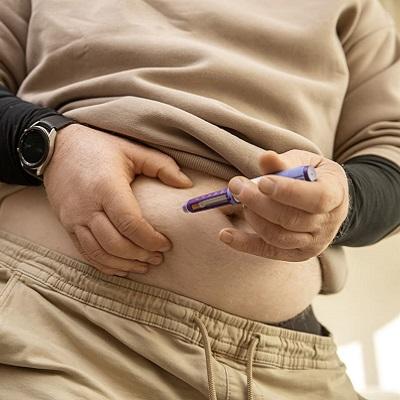
Weight management can be a challenging journey, especially for individuals who have struggled with excess weight for a long time. Modern treatments have made this process more manageable, helping people control their appetite, improve eating habits, and achieve meaningful weight loss. However, one common concern among individuals considering these treatments is whether the lost weight will return after treatment ends. Understanding what happens after discontinuing treatment can help individuals make informed decisions and prepare for long-term weight management.
Weight Loss Injections have become an increasingly popular option for people seeking medical support with weight management. These treatments work by influencing appetite, hunger signals, and feelings of fullness, making it easier to manage food intake. While they can support significant weight reduction, stopping treatment does not automatically mean that the results will last forever. Weight regain is possible, particularly when healthy lifestyle habits are not maintained after discontinuation.
1. Can Weight Return After Stopping Weight Loss Injections?
Yes, individuals can regain weight after stopping weight loss injections. These medications generally help manage body weight by regulating appetite, reducing hunger, and slowing stomach emptying, depending on the medication used. When treatment is discontinued, these effects gradually wear off, and the body's natural appetite-regulating mechanisms may return to their previous patterns.
For many individuals, this means feeling hungry more frequently, experiencing stronger food cravings, or finding it more difficult to control portion sizes. As calorie intake increases, weight regain can occur.
Clinical research has demonstrated that weight regain is relatively common after discontinuing certain weight management medications. For example, research involving semaglutide has shown that many participants regained a substantial portion of their previously lost weight after stopping treatment. This highlights the importance of viewing weight loss injections as one part of a broader, long-term weight management strategy rather than a temporary solution.
However, weight regain is not inevitable. Individual results vary depending on factors such as metabolism, eating habits, physical activity, genetics, and overall health.
2. Why Does Weight Regain Happen After Discontinuing Treatment?
Weight regain after stopping treatment is influenced by several biological and lifestyle-related factors. Understanding these changes can help individuals maintain their progress more effectively.
Increased Appetite and Hunger
One of the main reasons weight may return is the increase in appetite after medication is discontinued. Many weight loss injections influence hormones involved in appetite regulation, helping individuals feel satisfied with smaller meals.
Once the medication's effects wear off, hunger signals may become stronger. Some individuals may notice that they feel hungry sooner after eating or experience increased cravings throughout the day.
Changes in Metabolism
During weight loss, the body naturally adapts to changes in energy intake. As body weight decreases, the number of calories required to maintain that weight also becomes lower.
The body may additionally respond to weight loss by becoming more energy-efficient, meaning fewer calories are burned during everyday activities. These metabolic adaptations can make maintaining a lower body weight more challenging, especially after treatment ends.
Returning to Previous Eating Habits
Weight loss injections can make portion control and healthier eating patterns easier to follow. However, medication alone does not necessarily establish permanent lifestyle changes.
If individuals return to previous eating habits, consume frequent high-calorie snacks, or regularly overeat, weight regain may become more likely.
Reduced Physical Activity
Physical activity plays an important role in maintaining weight loss. Individuals who become less active after discontinuing treatment may burn fewer calories throughout the day, making it easier for excess weight to return.
Combining regular movement with balanced nutrition can help support long-term results.
3. How to Maintain Weight Loss After Stopping Injections
Maintaining weight loss requires consistency, realistic expectations, and a sustainable approach to everyday health habits. Individuals who develop healthy routines during treatment may find it easier to manage their weight after discontinuation.
Follow a Balanced Eating Plan
A balanced diet is one of the most important factors in maintaining weight loss. Meals should include a combination of lean protein, vegetables, fruits, whole grains, and healthy fats.
Protein-rich foods can help promote fullness and preserve muscle mass, while fibre-rich foods support digestion and help individuals feel satisfied for longer.
Practical dietary habits include:
-
Eating regular, balanced meals rather than skipping meals.
-
Including protein with main meals.
-
Choosing whole foods over highly processed alternatives.
-
Limiting sugary drinks and excessive high-calorie snacks.
-
Practising mindful eating and controlling portion sizes.
-
Drinking enough water throughout the day.
A sustainable eating plan should be realistic and enjoyable rather than overly restrictive.
Maintain Regular Physical Activity
Exercise can help prevent weight regain by increasing energy expenditure and supporting muscle maintenance. A combination of cardiovascular activity and strength training can be particularly beneficial.
Activities such as walking, cycling, swimming, and jogging can support cardiovascular health and calorie expenditure. Strength training can help maintain muscle mass, which is important for overall metabolic health.
Individuals who are new to exercise can begin with manageable activities and gradually increase their duration and intensity.
Prioritise Sleep and Stress Management
Sleep and stress can influence appetite, food choices, and weight management. Poor sleep may affect hormones associated with hunger and fullness, potentially increasing cravings and appetite.
Similarly, prolonged stress can encourage emotional eating and make healthy routines more difficult to maintain.
Establishing a consistent sleep schedule, practising relaxation techniques, and maintaining a healthy work-life balance can support better weight management.
4. Do Weight Loss Injections Need to Be Continued Long-Term?
The duration of treatment depends on the individual's health, weight management goals, response to medication, and medical circumstances.
For some individuals, weight management medication may be considered a longer-term treatment because obesity is a chronic condition that can require ongoing management. Stopping medication simply because a target weight has been reached may increase the likelihood of weight regain.
However, long-term treatment is not automatically appropriate for everyone. The decision to continue, adjust, or discontinue medication should be made with a qualified healthcare professional.
A healthcare professional may consider several factors before recommending a treatment plan, including:
-
The amount of weight lost during treatment.
-
The individual's current body mass index and overall health.
-
Existing medical conditions.
-
Possible medication side effects.
-
The individual's ability to maintain lifestyle changes.
-
The potential benefits and risks of continued treatment.
Some individuals may benefit from ongoing medication, while others may follow a supervised discontinuation plan alongside structured lifestyle support.
It is important not to change the dose, extend treatment, or stop prescribed medication without appropriate medical guidance.
5. What Happens to Appetite and Body Weight After Treatment Ends?
After stopping weight loss injections, appetite may gradually increase as the medication's effects diminish. The speed and extent of these changes depend on the specific medication, dosage, treatment duration, and individual response.
Some individuals may notice changes in hunger within the first few weeks, while others may experience a more gradual return of appetite.
Several changes may occur after discontinuation:
Hunger May Increase: Individuals may feel less satisfied after meals and notice a stronger desire to snack between meals.
Portion Sizes May Become Larger: Without the appetite-regulating effects of medication, maintaining smaller portion sizes may require additional attention.
Food Cravings May Return: Some individuals may experience stronger cravings, particularly for foods that are high in sugar or calories.
Weight Fluctuations May Occur: Changes in appetite, eating habits, and fluid balance can lead to fluctuations in body weight.
These changes do not mean that treatment has failed. Instead, they reflect the body's natural response to changes in medication and weight regulation.
Regular weight monitoring, balanced nutrition, and consistent activity can help individuals recognise early changes and respond appropriately.
6. How Can Individuals Prepare for Life After Weight Loss Injections?
Preparation should begin before treatment is discontinued. Developing healthy habits while using medication can make the transition easier and reduce the risk of regaining lost weight.
Establish Realistic Weight Maintenance Goals
Maintaining weight loss is not necessarily about reaching a specific number on the weighing scale. The focus should be on developing a healthy and sustainable weight range.
Small fluctuations are normal, and occasional changes in weight should not automatically be considered a setback.
Monitor Progress Regularly
Keeping track of body weight, eating habits, activity levels, and general wellbeing can help individuals identify patterns.
Regular monitoring can make it easier to recognise gradual weight increases before they become more significant.
Build a Support System
Support from healthcare professionals, registered dietitians, fitness specialists, and family members can help individuals remain consistent with their goals.
Professional guidance is particularly useful when appetite increases or maintaining weight becomes challenging.
Discuss a Maintenance Strategy
Before stopping treatment, individuals should discuss a suitable maintenance strategy with their healthcare professional. Depending on their circumstances, this may involve continued treatment, a supervised change in medication, or a structured lifestyle programme.
The most effective approach is one that considers both immediate weight loss goals and long-term health.
Frequently Asked Questions (FAQs)
1. Is Weight Regain Guaranteed After Stopping Weight Loss Injections?
No, weight regain is not guaranteed. Although many individuals experience increased appetite after discontinuing treatment, maintaining balanced eating habits, regular exercise, and healthy daily routines can help reduce the likelihood of regaining weight.
2. How Quickly Can Weight Return After Stopping Weight Loss Injections?
The timing varies between individuals. Some may notice increased hunger within a few weeks, while noticeable weight regain may develop over several months. The outcome depends on the medication used, individual metabolism, eating habits, and activity levels.
3. Can Exercise Prevent Weight Regain After Treatment?
Regular exercise can significantly support weight maintenance. Cardiovascular activities help increase calorie expenditure, while strength training supports muscle preservation. However, exercise works best when combined with balanced nutrition and other healthy lifestyle habits.
4. Should Individuals Stop Weight Loss Injections Once They Reach Their Target Weight?
Reaching a target weight does not necessarily mean treatment should be stopped. Weight management medication may require ongoing supervision, and some individuals may benefit from longer-term treatment. Any decision to discontinue medication should be discussed with a qualified healthcare professional.
5. Do Weight Loss Injections Permanently Change Appetite?
No, these medications generally do not permanently change appetite. They influence appetite-regulating pathways while being used. After discontinuation, their effects gradually diminish, and hunger levels may return towards previous patterns.
6. What Is the Best Way to Maintain Results After Stopping Treatment?
The best approach involves following a balanced diet, maintaining regular physical activity, getting sufficient sleep, managing stress, and monitoring weight changes. Professional support can also help individuals develop a realistic long-term maintenance plan.
Final Thoughts
Regaining weight after stopping weight loss injections is possible, but it is not unavoidable. These medications can provide valuable support by reducing appetite and helping individuals manage their food intake. However, their effects are not necessarily permanent, and hunger may increase once treatment ends.
Long-term success depends on more than medication alone. Balanced nutrition, regular exercise, sufficient sleep, stress management, and appropriate healthcare support all contribute to maintaining a healthier body weight.
Individuals considering discontinuing treatment should discuss their options with a qualified healthcare professional and establish a realistic maintenance strategy. With the right preparation and consistent lifestyle habits, it is possible to protect weight loss progress and continue working towards better overall health.
Read More About Weight Loss Injections: https://selfyclub.com/read-blog/7273

 Arabic
 French
 Spanish
 Portuguese
 Deutsch
 Turkish
 Dutch
 Italiano
 Russian
 Romaian
 Portuguese (Brazil)
 Greek