
Hair Transplant in Dubai for Receding Hairlines: Planning for Long-Term Density
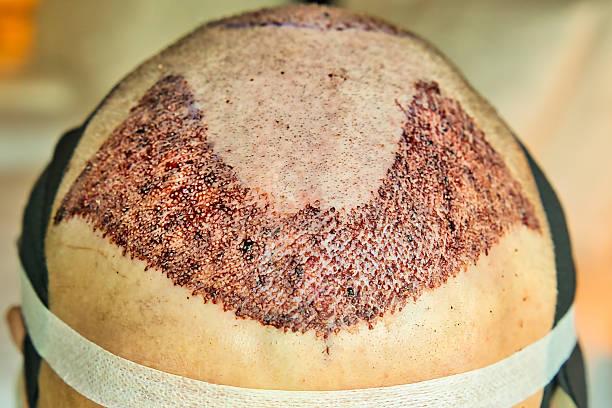
A receding hairline can gradually change facial proportions and make the forehead appear more prominent. For some people, the change begins at the temples, while others notice thinning across the frontal region. A Hair Transplant in Dubai may be considered when hair loss has been properly assessed and the donor area can provide suitable follicles.
However, restoring a receding hairline requires more than filling the areas where hair has disappeared. The surgeon must consider the patient's current pattern, future hair loss, facial proportions, and available donor supply to create a balanced plan.
Understanding Different Receding Hairline Patterns
Hairline recession does not look the same in every patient. It may develop gradually at the temples, affect the frontal corners, or extend across a wider section of the front scalp.
Identifying the pattern helps the specialist understand the extent of hair loss and whether transplantation may be appropriate.
Temple Recession
Temple recession often creates an M-shaped appearance, with the frontal corners moving backwards while some central hair remains.
Restoration in this region requires attention to hair direction and angle. The temple hairline should connect naturally with the central frontal area.
Frontal Hairline Thinning
Some patients experience a gradual reduction in density across the front rather than complete loss at the temples.
In these cases, the surgeon must consider existing native hair and the possibility of continued thinning. Implantation planning should avoid unnecessary trauma to weakened follicles.
More Advanced Frontal Recession
When recession extends further behind the original hairline, the recipient area may be larger. The available donor supply and the patient's long-term goals become especially important.
A broader restoration plan may require prioritising coverage rather than attempting to recreate a very low hairline.
Who May Consider Hairline Restoration?
Hair transplantation may be an option for selected people with stable, well-defined hair loss and an adequate donor supply. However, a receding hairline alone does not establish suitability.
The specialist should first investigate the cause of hair loss and consider whether it is likely to continue.
Factors Considered During Assessment
A clinical evaluation may include:
-
The pattern and progression of recession
-
Age and family history
-
Donor density and follicular unit quality
-
Existing miniaturised hair
-
Scalp health
-
Previous hair restoration procedures
-
Medical history and relevant treatments
If hair loss is sudden, patchy, inflamed, or associated with scarring, further investigation may be necessary before considering surgery.
Designing a Natural Frontal Hairline
The hairline frames the face, so its position and shape have a major influence on the appearance of the result.
The surgeon considers facial proportions and natural growth patterns instead of using a standard design for every patient.
Choosing the Right Hairline Position
A very low hairline may require more grafts and can become difficult to maintain if hair loss progresses behind it. A conservative position may provide greater flexibility over time.
The plan should reflect the patient's age, facial structure, donor limitations, and likely future pattern.
Recreating Natural Irregularity
Natural hairlines often have subtle variations rather than a perfectly straight edge. Single-hair grafts may be used at the front to create a softer transition, with larger follicular units placed behind them when appropriate.
The distribution should blend with the patient's existing hair and avoid an artificial, sharply defined border.
Graft Planning for a Receding Hairline
The number of grafts depends on the size of the area, the desired coverage, and the characteristics of the available donor hair.
A small area of temple recession may need a different plan from extensive frontal loss.
Prioritising the Frontal Region
In some cases, the surgeon may recommend focusing on the hairline and frontal third rather than distributing limited grafts across the entire scalp.
This decision depends on the patient's priorities and the pattern of hair loss. The surgeon should explain what the proposed graft count is intended to achieve.
Protecting Donor Hair for the Future
Donor follicles are limited. Using too many during an initial procedure can reduce options if additional restoration is needed later.
Long-term planning is especially important when the patient has a pattern of progressive hair loss.
Why Stabilising Hair Loss Matters
A transplant moves follicles from one scalp region to another. It does not stop the underlying process responsible for pattern hair loss.
If native hair continues to thin, the transplanted hair may remain while surrounding areas become less dense. This can create a contrast between restored and untreated regions.
Medical Management Before and After Surgery
Depending on the diagnosis, a clinician may discuss medical treatments intended to help manage ongoing hair loss. These treatments are not suitable for everyone and may have limitations or side effects.
Patients should not start, stop, or change prescribed medication without discussing it with their healthcare professional.
What to Expect During Recovery
After a hairline restoration procedure, patients may experience redness, tenderness, swelling, and small crusts around the recipient sites.
Transplanted hair shafts can shed during the first several weeks. This is often temporary, and new growth may become visible after several months.
Gradual Development of the Hairline
Early growth may appear fine or uneven. The hairline generally takes time to develop, and visible changes continue over several months.
Patients should follow the clinic's washing and activity instructions and attend recommended reviews. Early shedding should not be confused automatically with treatment failure.
Non-Surgical Options and When to Discuss Them
Not everyone with a receding hairline needs surgery. Depending on the cause and stage of hair loss, non-surgical management may be appropriate.
A specialist may discuss medical treatment, monitoring, or other options before recommending transplantation.
Why Diagnosis Comes First
Hairline recession can have different causes. Pattern hair loss is common, but traction-related changes, inflammatory scalp conditions, and scarring disorders require different considerations.
Treating the underlying cause is important before making a surgical decision.
Clinic Note: A natural hairline restoration plan should account for future hair loss, not just the current recession. Donor preservation and realistic density targets are essential parts of long-term planning.
Frequently Asked Questions
Can a hair transplant restore a receding hairline?
It may restore hair in selected areas when the patient is suitable and has adequate donor supply. The result depends on the treatment plan, graft characteristics, and individual healing.
Is it better to wait until hair loss stops?
Not every patient needs to wait until all hair loss has stopped, but the pattern and stability should be assessed. The surgeon may recommend medical management or monitoring before surgery.
Can the original teenage hairline be recreated?
A very low or youthful hairline may not be appropriate for every adult. The design should suit facial proportions, donor availability, and possible future hair loss.
Will transplanted hair continue to thin?
Transplanted follicles from suitable donor regions are generally selected for their relative resistance to pattern hair loss, but outcomes vary. Native hair around them may continue thinning.
How long does it take to see a new hairline?
Early growth may begin around three to four months, while more developed results often take 9–12 months or longer. Individual timelines differ.
Plan Frontal Restoration With Future Hair Loss in Mind
Treating a receding hairline requires a balance between present appearance and long-term planning. The position of the hairline, graft distribution, donor supply, and possible progression of hair loss all influence the treatment decision.
At Tajmeels Clinic, patients considering a Hair Transplant in Dubai can discuss their hairline concerns and receive an individual assessment of suitable restoration options. A considered approach helps establish realistic expectations while protecting donor resources for the future.

 English
 Arabic
 French
 Portuguese
 Deutsch
 Turkish
 Dutch
 Italiano
 Russian
 Romaian
 Portuguese (Brazil)
 Greek