
Solar and Battery Storage System – A Complete Guide for Australian Homes
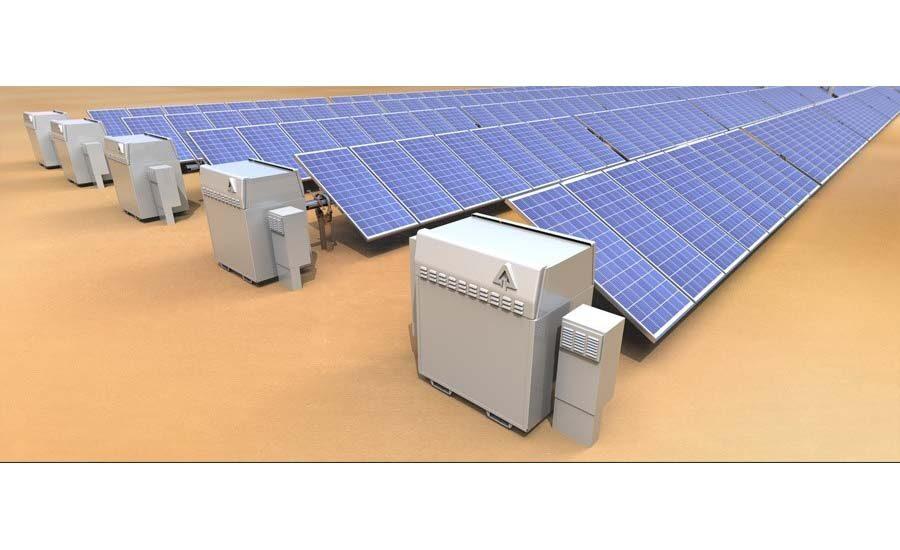
A solar and battery storage system is a practical way for Australian homeowners and businesses to generate, store and use electricity more efficiently. Solar panels produce electricity from sunlight during the day, but energy consumption does not stop when the sun goes down. Combining solar panels with battery storage allows unused electricity to be saved and used when it is needed later.
Without a battery, excess solar electricity is generally exported to the electricity grid. With a suitable storage solution, that electricity can be stored and used during the evening, at night or when solar generation is limited.
However, choosing the right system involves understanding how its components work together, how much electricity you need and which configuration suits your property. This guide explains the different system options and important considerations before investing in solar and battery storage.
What Is a Solar and Battery Storage System?
A solar and battery storage system combines solar panels, an inverter and a battery to generate and store electricity for later use.
Each component performs a specific function:
-
Solar Panels: Capture sunlight and convert it into direct current (DC) electricity.
-
Solar Inverter: Converts DC electricity into alternating current (AC) electricity for household and business appliances.
-
Battery: Stores excess electricity generated by the solar panels for future use.
-
Energy Management System: Monitors and manages electricity movement between solar panels, battery storage, the property and the grid.
These components work together to help property owners make better use of the electricity they generate.
How Does a Solar and Battery Storage System Work?
Understanding how electricity moves through the system can help you see why solar panels and batteries work well together.
The system generally operates through the following stages:
Step 1: Solar Electricity Generation
During daylight hours, solar panels capture sunlight and generate DC electricity. The amount of electricity produced depends on sunlight conditions, panel capacity, roof direction and shading.
Step 2: Powering Your Property
The generated electricity is converted into AC electricity through the inverter. It is then used to operate appliances, lighting, office equipment and other electrical devices.
Step 3: Charging the Battery
When solar electricity generation exceeds the property's immediate consumption, the surplus electricity can be directed towards the battery.
Step 4: Using Stored Electricity
When solar generation decreases in the evening or at night, the battery supplies previously stored electricity to the property.
Step 5: Using Grid Electricity When Required
If the battery has insufficient stored energy or electricity demand exceeds its available output, the property can draw additional electricity from the grid.
This process helps reduce unnecessary grid consumption and makes solar electricity available beyond daylight hours.
Different Types of Solar and Battery Storage Systems
Solar and battery systems are available in different configurations. The right option depends on your property's electricity requirements, existing equipment and connection to the electricity grid.
Grid-Connected Solar and Battery System
A grid-connected system remains connected to the electricity network while using solar panels and battery storage.
During the day, solar electricity powers the property and charges the battery. If additional electricity is required, the system can draw power from the grid.
This arrangement is commonly considered for Australian homes and businesses that want to use solar energy while maintaining access to grid electricity.
Off-Grid Solar and Battery System
An off-grid system operates independently of the electricity grid. It uses solar panels and battery storage to provide electricity for the property.
These systems are often considered for rural properties, remote locations and buildings without a suitable grid connection.
Proper system sizing is particularly important because the property must have sufficient generation and storage capacity to meet its electricity requirements.
Hybrid Solar System
A hybrid solar system combines solar panels, battery storage and a grid connection through compatible equipment.
It can manage electricity between the property, solar panels, battery and grid according to system settings and energy requirements.
Hybrid systems offer flexibility for homeowners who want solar generation and battery storage within one integrated setup.
Key Benefits of Combining Solar Panels with Battery Storage
Installing solar panels with battery storage can provide several advantages when the system is properly designed.
Use Solar Electricity After Sunset
Solar panels stop generating electricity at night. Battery storage allows you to use excess electricity generated during the day to operate appliances after sunset.
Reduce Grid Electricity Consumption
Using stored electricity can reduce the amount of power purchased from your electricity retailer. The actual reduction depends on battery capacity, household consumption and electricity tariffs.
Make Better Use of Excess Solar Generation
Instead of exporting all surplus electricity to the grid, you can store some of it for later use. This increases the amount of solar-generated electricity consumed at your property.
Backup Electricity During Outages
Some systems can provide backup electricity when the grid experiences an outage. However, backup operation depends on the battery, inverter, backup circuits and installation configuration.
Improve Energy Management
Monitoring tools help you understand how much electricity your panels generate, how much energy your battery stores and when your property uses the most power.
How to Choose the Right Battery Storage System
Selecting a suitable battery storage system requires an understanding of your electricity consumption and storage requirements.
Consider these important factors before making a decision:
-
Battery Capacity: Measured in kilowatt-hours (kWh), it indicates how much electricity the battery can store.
-
Usable Capacity: Shows how much stored energy is available for actual use.
-
Power Output: Determines how much electricity the battery can supply to appliances at a particular time.
-
Battery Efficiency: Indicates how much energy is retained through the charging and discharging process.
-
Warranty: Review the warranty period, performance conditions and energy throughput limits.
-
Inverter Compatibility: Ensure that the battery works with your existing or planned inverter.
-
Future Requirements: Consider additional appliances, electric vehicle charging or changes in electricity consumption.
A professional assessment can help determine the right combination of solar generation and battery storage for your property.
Can You Add Battery Storage to an Existing Solar System?
Yes. Many existing solar installations can be upgraded with battery storage without replacing the entire solar system.
However, the existing inverter, electrical configuration and battery compatibility should be checked before installation.
An AC-coupled battery uses a separate battery inverter and connects to the property's AC electrical system. This can be suitable for many existing solar installations.
A DC-coupled battery connects through compatible equipment, such as a hybrid inverter. This arrangement is commonly considered when installing solar panels and battery storage together.
The installer should inspect your existing equipment and recommend an appropriate configuration.
Is a Solar and Battery Storage System Suitable for Homes and Businesses?
Solar and battery storage can support different types of properties, but their energy requirements are not the same.
For residential properties, the system is generally designed around household electricity consumption, including lighting, cooling, cooking and everyday appliances.
Businesses may have higher electricity requirements, larger operating equipment and different consumption patterns throughout the day.
Commercial installations may also use battery storage to manage peak electricity demand and support essential operations during outages.
Therefore, system capacity and configuration should always be selected according to the property's actual electricity requirements.
Conclusion
A solar and battery storage system allows Australian homeowners and businesses to generate electricity from sunlight, store excess energy and use it when required. By combining solar panels with suitable battery storage, property owners can make better use of renewable electricity and reduce their dependence on grid power.
Before choosing a system, consider your electricity consumption, solar generation capacity, battery requirements, inverter compatibility and future energy needs. The right configuration should be based on your property's requirements rather than simply choosing the largest available system.
Working with an experienced solar provider can help you select suitable components and ensure professional installation. With proper planning, solar and battery storage can become a useful long-term part of your property's energy management.

 Arabic
 French
 Spanish
 Portuguese
 Deutsch
 Turkish
 Dutch
 Italiano
 Russian
 Romaian
 Portuguese (Brazil)
 Greek