
What Does a North Carolina Clerk of Superior Court Do?
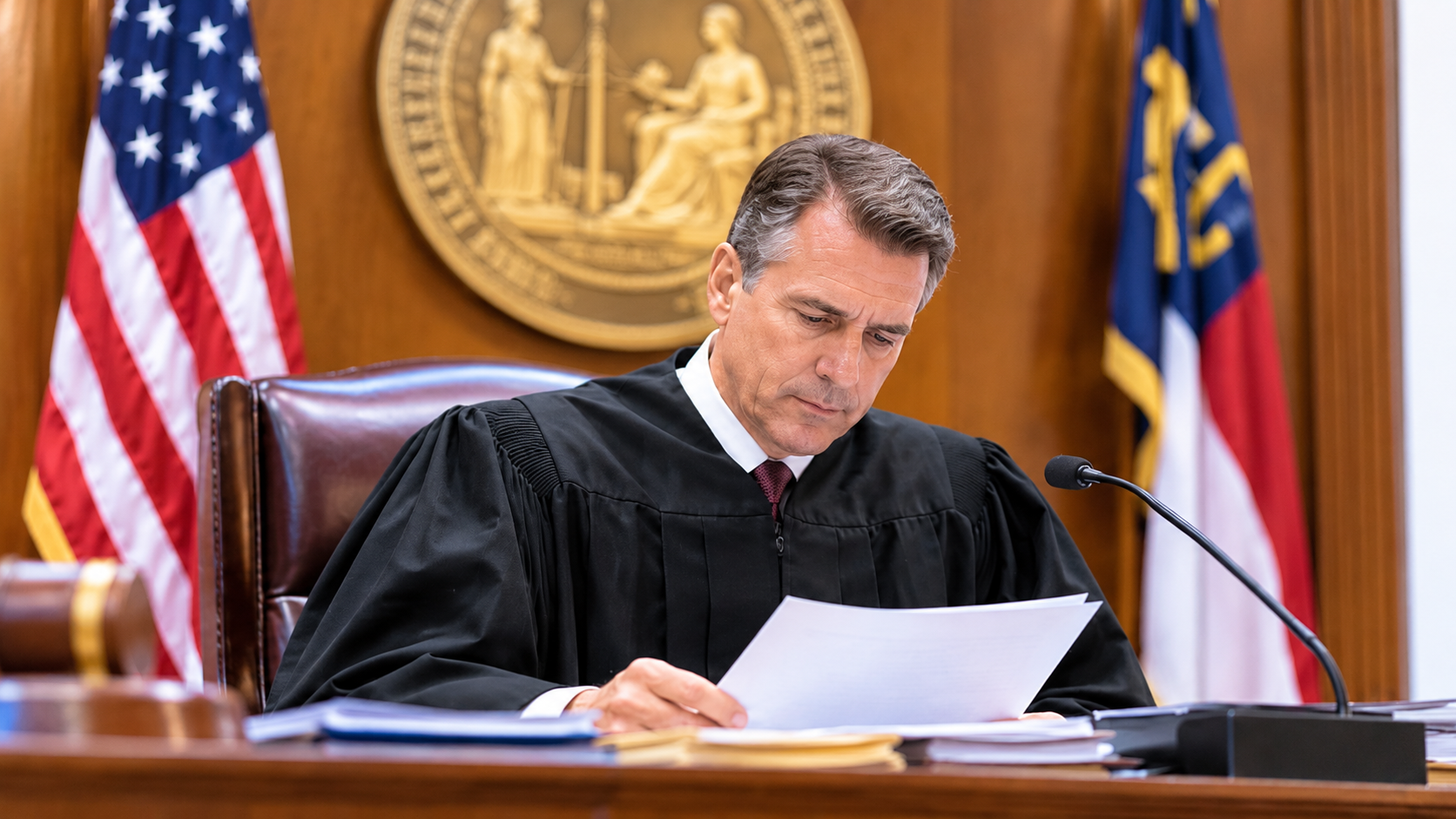
In North Carolina, the Clerk of Superior Court holds one of the most influential and multifaceted positions within the local judicial system. Elected by the county electorate to a four-year term, this position acts as much more than a courthouse administrator. Understanding the clerk of superior court's duties is essential for everyone navigating probate, estate disputes, guardianship, or routine civil and criminal court filings within the Tar Heel State. Under North Carolina General Statutes, the workplace balances 4 awesome duties: Judge, Administrator, Record Keeper, and Comptroller.
1. Ex Officio Judge of Probate and Special Proceedings
Unlike many states that maintain a separate probate court docket, North Carolina grants the Clerk of Superior Court distinct, authentic jurisdiction over property administration and probate. When functioning in this judicial ability, the clerk presides over formal hearings, evaluates proof, and problems legally binding rulings. Core judicial clerk of superior court duties encompass:
- Probate and Estates: Validating Last Wills and Testaments, appointing executors or property administrators, auditing fiduciary economic accountings, and resolving estate disputes.
- Guardianship and Incompetency: Conducting hearings to determine whether an adult is legally incompetent and appointing guardians to manage the personal care or economic affairs of minors and incapacitated adults.
- Special Proceedings: Presiding over power-of-sale actual estate foreclosure, land partition actions among co-owners, adult and minor adoptions, and prison name modifications.
2. Official Record Keeper for District and Superior Courts
Every civil lawsuit, criminal prosecution, and visitor's quotation filed within a county flows through the clerk’s office. As the respectable custodian of court statistics, the clerk indexes, dockets, and preserves felony filings across both the District and Superior Court divisions. While touchy files, including juvenile matters, adoptions, and involuntary commitments, continue to be personal by means of law, the clerk ensures transparent public get admission to to open courtroom records and affords licensed copies of respectable judgments and orders.
3. Financial Comptroller and Fiduciary Custodian
The clerk serves as the economic comptroller for the local court docket system, managing, investing, and disbursing tens of millions of dollars yearly. These funds consist of court filing expenses, criminal fines, site visitors' citation bills, court-ordered restitution, and cash bonds. Additionally, the clerk safeguards and manages agree with price range held on behalf of teenage children or legally incompetent adults till they attain adulthood or regain ability.
4. Courthouse Administrator
Behind the scenes, the clerk of the superior court's duties require coping with daily courthouse operations. The elected clerk hires, trains, and supervises assistant clerks, who share the authority to hold hearings, and deputy clerks, who manage ministerial filings and court docket help. The office additionally coordinates jury swimming pools, schedules courtroom calendars, and nominates county magistrates for formal appointment through a Superior Court judge.
Frequently Asked Questions
Is a North Carolina Clerk of Superior Court a real choice?
Yes, within specific statutory obstacles. While they do not preside over jury trials or popular prison instances, clerks serve as ex officio judges of probate and hold judicial authority over guardianships, foreclosures, and unique court cases.
Can the Clerk of Court’s workplace supply me with a felony recommendation?
No. Clerks and deputy clerks can provide an explanation for procedural steps, direct you to standard court paperwork, and confirm filing necessities; however, North Carolina regulation prohibits them from offering criminal advice or advising you on what to file.
How do you obtain a ruling made by a Clerk of Superior Court?
In most special proceedings and estate matters, a celebrant must file a written notice of enchantment with the clerk within 10 days of the order. Depending at the case kind, a Superior Court choose will both overview the record for criminal mistakes or conduct a fresh (de novo) hearing.
Need Help Navigating a North Carolina Court or Probate Matter?
Because the North Carolina Clerk of Superior Court exercises huge judicial authority, procedural missteps in probate, guardianship, or foreclosure complaints can lead to highly-priced delays or damaging rulings. Schedule a personal consultation with our North Carolina prison team nowadays to shield your rights, put together accurate filings, and ensure skilled illustration at your upcoming clerk’s hearing.

 English
 Arabic
 Spanish
 Portuguese
 Deutsch
 Turkish
 Dutch
 Italiano
 Russian
 Romaian
 Portuguese (Brazil)
 Greek