
Buccal fat removal Surgery in dubai Patient Questions
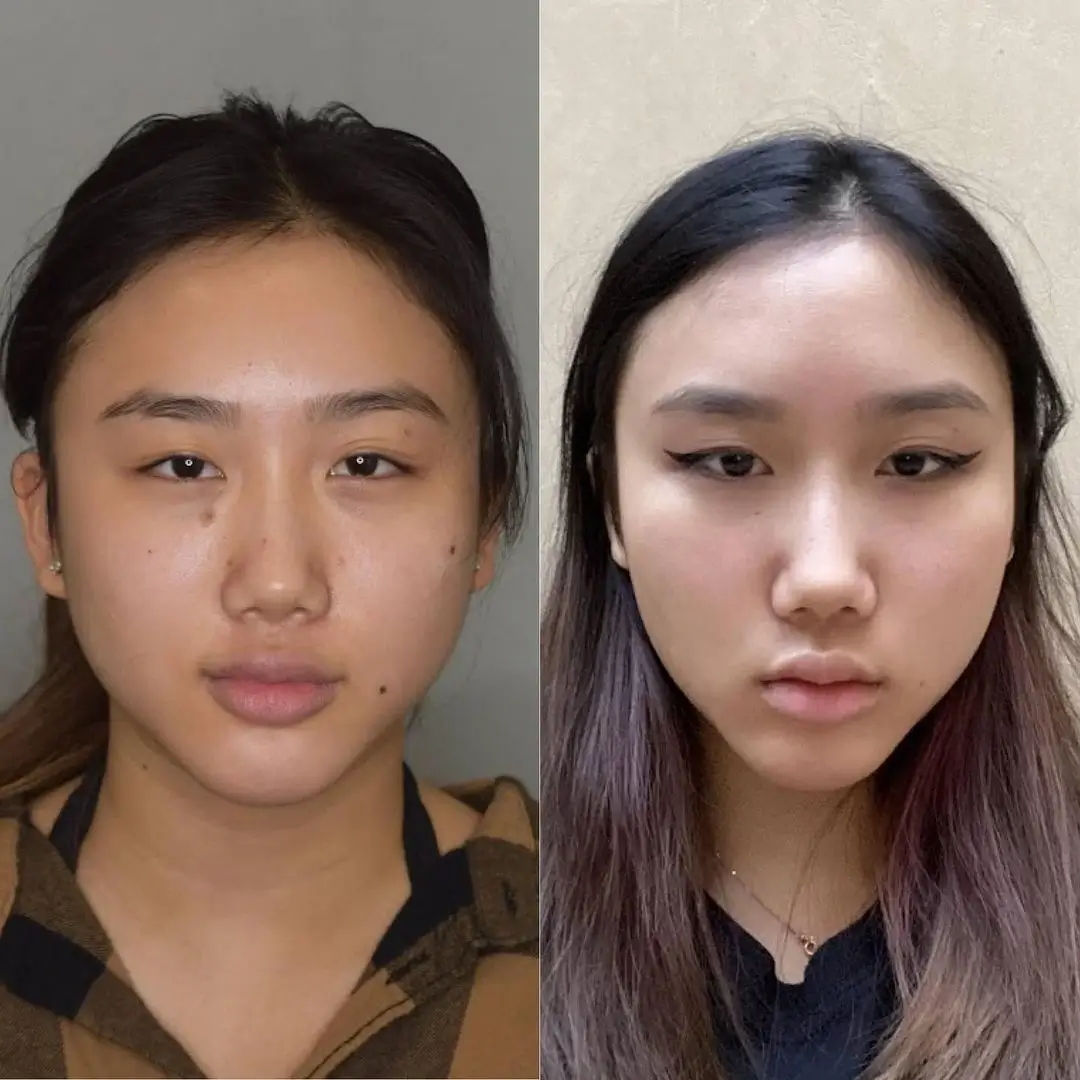
Buccal fat removal is a cosmetic surgical procedure that helps reduce fullness in the lower cheeks and create a more defined facial appearance. Many individuals consider this treatment when they want slimmer cheek contours and a more sculpted facial profile. However, before deciding on surgery, patients often have questions about the procedure, suitability, safety, recovery, expected results, and overall expenses.
Dubai has become a popular destination for cosmetic and aesthetic treatments, providing access to various medical facilities and facial surgery services. As interest in facial contouring increases, understanding the treatment process becomes particularly important. Patients should know what happens during surgery, how long recovery takes, what results they can realistically expect, and which factors should influence their choice of surgeon.
This informational guide addresses common patient questions about buccal fat removal, helping individuals understand the procedure and make informed decisions. Whether someone is researching facial contouring for the first time or comparing treatment options, having accurate information can make the consultation process more productive.
What Should Patients Know About Buccal Fat Removal Surgery in Dubai?
Buccal fat removal Surgery in dubai is a cosmetic surgical procedure that involves removing a carefully selected amount of fat from the buccal fat pads located inside the cheeks. These natural fat compartments contribute to lower cheek fullness and influence the overall appearance of the face.
The procedure is generally considered by individuals who have naturally prominent cheek fullness and want a more defined facial contour. Unlike general weight-loss methods, it specifically targets the buccal fat compartments rather than reducing fat throughout the body.
Before undergoing treatment, patients should understand that facial fullness can have different causes. Genetics, body composition, age, and individual facial anatomy can all influence cheek shape. Therefore, not everyone with round cheeks will benefit from this procedure.
A professional consultation helps determine whether buccal fat removal is appropriate for an individual's facial structure and aesthetic goals.
1. What Exactly Are Buccal Fat Pads?
Buccal fat pads are natural pockets of fat located deep within the cheeks, between facial muscles. They contribute to the fullness and shape of the lower face.
Their size differs among individuals. Some people naturally have fuller cheeks because of larger buccal fat compartments, while others have more angular facial features.
These fat pads are different from the superficial fat beneath the skin. Consequently, ordinary weight loss may not significantly change their size.
2. Why Do People Consider Buccal Fat Removal?
People generally consider the procedure because they want to reduce prominent lower cheek fullness and achieve more visible facial contours.
Common reasons include:
· Naturally round or full cheeks.
· Limited cheekbone definition.
· Desire for a more sculpted facial appearance.
· Genetic facial fullness.
· Interest in improving lower facial proportions.
However, the procedure should not be considered a universal solution for facial slimming. A qualified surgeon must determine whether buccal fat is actually responsible for the patient's cheek fullness.
3. Does Buccal Fat Removal Change the Entire Face?
No. The procedure primarily targets the lower cheek area rather than changing the entire facial structure.
Its effect on overall appearance depends on the amount of fat removed, existing facial proportions, and individual anatomy. A conservative approach is important to avoid creating an excessively hollow appearance.
Who Is an Appropriate Candidate for Buccal Fat Removal?
Patient suitability is one of the most important considerations before cosmetic surgery. Although individuals may be interested in slimmer cheeks, their facial anatomy and medical history determine whether the procedure is appropriate.
4. What Is the Ideal Age for Buccal Fat Removal?
Buccal fat removal is generally considered for adults whose facial structures have sufficiently developed. However, there is no single ideal age for everyone.
Age-related changes are important because facial fat naturally decreases over time. Removing too much buccal fat at a younger age may contribute to an excessively thin or hollow appearance later in life.
The surgeon should consider both the patient's current facial structure and potential long-term changes.
5. Can People With Naturally Thin Faces Undergo This Procedure?
People with naturally thin cheeks or existing facial volume loss may not be suitable candidates.
Removing additional fat could make their faces appear excessively hollow. A professional assessment helps determine whether another approach would be more appropriate.
6. Does Body Weight Affect Treatment Suitability?
Body weight can influence overall facial appearance, but buccal fat removal specifically addresses the buccal fat compartments.
Patients should ideally maintain a relatively stable weight before considering permanent facial contouring. Significant weight changes after surgery may influence the overall appearance of the face.
7. Can Men and Women Both Undergo Buccal Fat Removal?
Yes. Both men and women may consider the procedure if they have suitable facial anatomy and realistic expectations.
The treatment plan should be individualised because facial proportions and aesthetic preferences differ between patients.
What Happens During the Buccal Fat Removal Procedure?
Understanding the surgical process can help patients feel more prepared for treatment. Buccal fat removal generally involves a small incision inside the mouth, allowing access to the fat compartments without creating an external facial incision.
8. How Is the Surgery Performed?
The procedure usually involves the following stages:
Initial consultation: The surgeon evaluates facial anatomy, reviews medical history, and discusses the patient's expectations.
Anaesthesia: Depending on the treatment plan, local anaesthesia, sedation, or general anaesthesia may be used.
Internal incision: A small incision is generally made inside the cheek to access the buccal fat pad.
Fat removal: The surgeon carefully removes an appropriate amount of fat while protecting surrounding anatomical structures.
Closing the incision: The incision is closed using suitable sutures, often absorbable ones.
Postoperative instructions: Patients receive guidance regarding oral hygiene, diet, medication, and follow-up appointments.
9. How Long Does the Procedure Take?
Buccal fat removal commonly takes approximately 30 to 60 minutes, although the duration varies depending on the individual treatment plan and whether additional procedures are performed.
The surgeon can provide a more accurate estimate during the consultation.
10. Does the Procedure Require General Anaesthesia?
Not necessarily. Some procedures can be performed using local anaesthesia, sometimes with sedation, while others may require general anaesthesia.
The appropriate option depends on medical history, surgical requirements, patient preferences, and the surgeon's assessment.
11. Does Buccal Fat Removal Leave Visible Scars?
The incision is generally made inside the mouth. Therefore, there is usually no visible external facial incision scar.
However, the internal incision still requires appropriate care to support proper healing.
Understanding Buccal Fat Removal Surgery Cost in Dubai and Patient Expenses
Buccal fat removal Surgery Cost in dubai is one of the common questions patients ask when researching facial contouring. The overall expense can vary depending on the surgeon's qualifications, medical facility, anaesthesia requirements, surgical complexity, and postoperative care.
Understanding these factors helps patients compare treatment options and avoid making decisions based exclusively on advertised prices.
12. What Factors Influence the Treatment Cost?
Several factors may influence the overall cost:
Surgeon's qualifications: Professional credentials and relevant surgical experience may influence the surgeon's fee.
Clinic facilities: The quality of the surgical environment, equipment, and available medical support can affect pricing.
Anaesthesia requirements: Different anaesthesia arrangements may involve different expenses.
Procedure complexity: Individual anatomy and treatment requirements can influence the surgical plan.
Aftercare services: Follow-up consultations, medication, and postoperative support may contribute to the overall expense.
13. Does the Quoted Price Include Follow-Up Care?
Not necessarily. Some treatment packages may include follow-up consultations, while others may charge separately.
Patients should request a written quotation explaining what is included. It is useful to clarify whether the fee covers the surgeon, anaesthesia, facility, medication, and postoperative appointments.
14. Should Patients Choose a Clinic Based on Price Alone?
No. Although treatment affordability is important, surgical qualifications, patient safety, facility standards, and appropriate aftercare should receive greater attention.
A lower advertised price does not automatically represent better value. Patients should evaluate the complete treatment arrangement before making a decision.
How to Select the Best Buccal Fat Removal Surgeons in Dubai
Best Buccal fat removal Surgeons in dubai should be evaluated according to their professional qualifications, relevant surgical experience, understanding of facial anatomy, and commitment to patient safety.
Choosing a suitable surgeon is one of the most important decisions in the cosmetic surgery journey. Buccal fat removal requires precision because the procedure involves anatomical structures located close to the treatment area.
15. What Qualifications Should Patients Look For?
Patients should verify that the surgeon holds appropriate medical qualifications and licensing to perform the procedure in Dubai.
It is also important to understand the surgeon's experience with facial cosmetic surgery and familiarity with the specific treatment.
16. Are Before-and-After Photographs Helpful?
Yes. Before-and-after photographs may help patients understand the surgeon's aesthetic approach and the types of results achieved in previous cases.
However, photographs should not be considered a guarantee of individual outcomes. Facial anatomy, lighting, camera angles, and healing differences can influence the appearance of results.
17. What Questions Should Patients Ask During Consultation?
Patients should consider asking:
· Am I a suitable candidate for buccal fat removal?
· What amount of fat removal would be appropriate?
· Which anaesthesia option is recommended?
· What are the possible complications?
· How long will my recovery take?
· When should I expect final results?
· What postoperative care will I need?
· What is included in the total treatment cost?
A professional consultation should provide clear answers and realistic expectations.
What Should Patients Expect During Recovery?
Recovery is an important part of the treatment process. Although the procedure generally involves a small internal incision, patients should follow postoperative instructions carefully.
18. How Long Does Initial Recovery Take?
Many patients can resume light daily activities within several days, depending on their recovery and the surgeon's advice.
Swelling, tenderness, and mild bruising may occur during the initial period. These symptoms generally improve gradually.
19. What Foods Can Patients Eat After Surgery?
Soft foods are generally recommended during the early recovery period because they are less likely to irritate the incision.
Patients should follow the surgeon's dietary instructions and maintain appropriate oral hygiene. Foods that are difficult to chew or may irritate the surgical area should be avoided as advised.
20. When Can Patients Return to Exercise?
Light activities may be resumed when the surgeon considers it appropriate. Strenuous exercise should generally be avoided during the initial recovery period.
The exact timeline depends on individual healing and the nature of the activity.
21. When Do Final Results Become Visible?
Final results may take several months to become apparent because swelling gradually settles.
Patients should avoid judging the outcome immediately after surgery. Follow-up appointments help the surgeon monitor healing and assess the developing facial contours.
Important Safety Questions About Buccal Fat Removal
Like other surgical procedures, buccal fat removal involves potential risks. Understanding these complications is essential before agreeing to treatment.
22. Can Buccal Fat Removal Cause Complications?
Possible complications include:
· Infection.
· Bleeding.
· Prolonged swelling.
· Facial asymmetry.
· Delayed wound healing.
· Changes in sensation.
· Injury to nearby facial nerve branches or salivary ducts.
· Excessive facial hollowing.
A qualified surgeon should explain these risks and discuss the precautions used to reduce them.
23. Can Buccal Fat Removal Make Cheeks Look Too Hollow?
Yes. Removing excessive fat may produce an overly hollow appearance.
This is particularly important because facial fat naturally decreases with ageing. Conservative surgical planning helps preserve appropriate facial volume.
24. What Symptoms Require Medical Attention After Surgery?
Patients should contact their medical team if they experience increasing pain, fever, unusual swelling, persistent bleeding, or signs of infection.
Difficulty swallowing or breathing requires immediate emergency medical attention.
Exploring Facial Aesthetic Treatment Options at Perfect Doctors Clinic
Patients researching facial contouring may come across Perfect Doctors Clinic when exploring aesthetic treatment providers. When considering a buccal fat removal clinic in dubai, individuals should assess the medical team's qualifications, consultation process, available facilities, and approach to patient safety.
People searching for Best doctors in dubai should understand that selecting a specialist requires evaluating qualifications and experience relevant to the intended treatment rather than relying on general popularity.
Individuals interested in Buccal fat removal Dubai should seek a personalised facial assessment to understand whether the procedure matches their anatomy and aesthetic expectations.
Similarly, patients researching the Buccal fat removal cost in Dubai should request transparent pricing information and clarify whether surgical fees, anaesthesia, and postoperative care are included.
The expression Best buccal fat removal surgeons in Dubai may appear in online searches, but promotional rankings should not replace independent verification of medical credentials and professional experience.
Likewise, the phrase dr perfect celebrity may appear in aesthetic-related searches. Patients should focus on verifiable professional qualifications, relevant surgical experience, and patient safety rather than relying on celebrity associations or promotional claims.
The most appropriate treatment plan is one that considers individual facial structure, medical suitability, realistic expectations, and long-term aesthetic balance.
Frequently Asked Questions About Buccal Fat Removal Surgery
25. Is Buccal Fat Removal a Permanent Procedure?
The fat removed during surgery is generally permanently eliminated. However, the remaining facial fat can change because of ageing, weight fluctuations, and natural changes in facial structure.
26. Can Buccal Fat Removal Be Reversed?
The procedure is generally considered permanent because removed fat does not simply grow back. Although certain corrective procedures may help address excessive hollowing, restoring the original appearance can be difficult and unpredictable.
27. Does Buccal Fat Removal Affect Facial Expressions?
The procedure is intended to reduce cheek fullness rather than change facial expressions. However, injury to nearby facial nerve branches is a recognised potential complication.
28. Can Patients Combine Buccal Fat Removal With Other Procedures?
In selected cases, buccal fat removal may be combined with other facial cosmetic treatments. However, the surgeon must assess the patient's anatomy, overall surgical requirements, and potential risks before recommending combined procedures.
29. Will Weight Gain Affect Buccal Fat Removal Results?
Weight fluctuations may influence the overall appearance of the face. Although the removed fat compartments do not normally return, remaining facial fat can change with body weight.
30. Is Buccal Fat Removal Suitable for People With Round Faces?
Not necessarily. A round face does not automatically indicate prominent buccal fat pads. A surgeon must identify the actual cause of facial fullness before recommending surgery.
31. How Can Patients Prepare for Their First Consultation?
Patients should prepare their medical history, medication list, information about previous cosmetic treatments, and questions about the procedure. They should also clearly communicate their aesthetic goals and concerns.
Conclusion and Final Thoughts: Making an Informed Decision About Buccal Fat Removal
Buccal fat removal can be an option for individuals who want to reduce naturally prominent cheek fullness and achieve more defined facial contours. However, understanding the procedure, suitability requirements, potential complications, recovery process, and financial considerations is essential before proceeding.
Patients should remember that cosmetic surgery is an individual decision. What works for one person's facial structure may not be appropriate for another. Selecting a qualified surgeon, undergoing a detailed medical assessment, and maintaining realistic expectations are important steps towards a responsible treatment decision.
For anyone considering this procedure in Dubai, a professional consultation is the best starting point. It allows patients to discuss their concerns, understand available options, and receive recommendations based on their individual facial anatomy.
Ultimately, the goal should be to prioritise patient safety, preserve natural facial proportions, and make a well-informed decision rather than focusing exclusively on achieving dramatic cosmetic changes.

 English
 Arabic
 French
 Spanish
 Portuguese
 Deutsch
 Turkish
 Dutch
 Russian
 Romaian
 Portuguese (Brazil)
 Greek