
What Is Cleft Lip and Palate Surgery and How Does It Work?
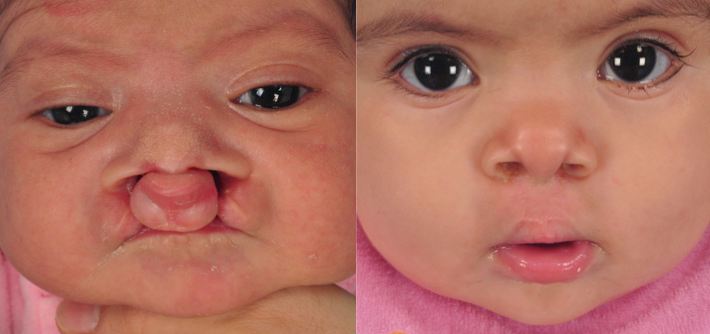
A cleft lip or palate is a congenital condition that develops when certain facial structures do not join completely during pregnancy. It can affect the appearance of the upper lip, the roof of the mouth, or both, potentially influencing feeding, speech development, hearing, and facial growth. Understanding the available treatment options is an important step for parents seeking the right support for their child. Cleft Lip and Palate Surgery in Dubai is a specialized reconstructive procedure designed to close the opening, improve facial structure, and support essential functions. With appropriate treatment planning and ongoing care, children can experience meaningful improvements in their development and overall quality of life.
Understanding Cleft Lip and Palate
A cleft lip occurs when the tissues forming the upper lip do not join completely during early pregnancy. This can create a small notch or a more noticeable opening that extends towards the nose. A cleft palate develops when the tissues forming the roof of the mouth fail to fuse properly, leaving an opening that may affect the hard palate, soft palate, or both.
Although these conditions can occur separately, some children are born with both. The severity varies from one individual to another, making an appropriate assessment essential before deciding on a treatment approach.
Common Types of Cleft Conditions
Understanding the type of cleft helps determine the most appropriate surgical technique.
-
Cleft Lip: An opening or separation in the upper lip that may affect one or both sides.
-
Cleft Palate: An opening in the roof of the mouth that can interfere with feeding and speech.
-
Combined Cleft Lip and Palate: A condition involving openings in both the upper lip and the palate.
-
Incomplete Cleft: A partial separation that does not extend through the entire structure.
-
Complete Cleft: A more extensive opening that affects the full length of the lip or palate.
Each condition requires an individualized approach because the anatomical differences influence treatment planning and expected outcomes.
What Is Cleft Lip and Palate Surgery?
Cleft repair surgery is a reconstructive procedure that aims to correct the separation in the lip or roof of the mouth. Its primary purpose is to restore the affected structures while supporting normal facial development and essential functions.
The procedure involves carefully repositioning and joining tissues to create a more complete anatomical structure. In lip repair, the focus is on restoring the natural shape of the upper lip and improving its connection with the surrounding tissues. Palate repair focuses on closing the opening and reconstructing the muscles involved in speech and swallowing.
The treatment may involve one or several procedures depending on the child's condition. A comprehensive approach considers facial appearance, oral function, speech development, and long-term growth rather than focusing only on the visible opening.
How Does Cleft Lip and Palate Surgery Work?
The surgical process involves several carefully planned stages. Each stage addresses specific structural concerns and contributes to the overall treatment outcome.
Initial Assessment and Treatment Planning
Before surgery, a detailed assessment helps establish the extent of the cleft and identify any associated concerns. The evaluation may include an examination of the facial structures, mouth, palate, and surrounding tissues.
The treatment plan considers the child's age, general health, feeding ability, anatomical characteristics, and developmental needs. This assessment also helps determine whether lip repair, palate repair, or a combination of procedures is appropriate.
Preparing for the Procedure
Preparation is an important part of achieving a safe and organized surgical experience. The medical team reviews the child's health history, evaluates readiness for anesthesia, and provides instructions regarding feeding and fasting before the procedure.
Parents receive information about the planned technique, expected recovery, and the support their child may need afterward. Understanding these steps can help families feel more confident and prepared.
Cleft Lip Repair
During lip repair, the separated tissues are carefully repositioned and joined to restore the natural structure of the upper lip. The procedure generally involves creating carefully planned tissue incisions and bringing the edges together using specialized surgical techniques.
The goal is to improve lip symmetry, restore continuity, and create a more natural relationship between the upper lip and nose. Fine sutures are used to close the repaired area.
Cleft Palate Repair
Palate repair focuses on closing the opening in the roof of the mouth. The tissues are carefully lifted, repositioned, and joined to create separation between the oral and nasal cavities.
An important part of this procedure involves reconstructing the muscles of the soft palate. These muscles contribute to speech production and swallowing, so their positioning plays a significant role in functional improvement.
Final Closure and Immediate Monitoring
Once the reconstruction is completed, the surgical area is carefully closed. The child is then monitored during the initial recovery period to assess breathing, comfort, feeding readiness, and general condition.
The duration of monitoring depends on the complexity of the procedure and the child's individual needs.
When Is Cleft Lip and Palate Surgery Usually Performed?
The timing of treatment depends on the type of cleft, the child's health, and developmental considerations.
Cleft lip repair is commonly performed during the first few months of life, often around three to six months. Cleft palate repair is generally considered later during infancy, frequently between nine and eighteen months, depending on the treatment plan.
These timelines are not fixed for every child. Some may require earlier assessment, additional preparation, or adjustments based on their medical circumstances.
In certain cases, further procedures may be recommended as the child grows to address dental alignment, jaw development, nasal appearance, or speech-related concerns.
Benefits of Cleft Lip and Palate Surgery
Reconstructive treatment can provide several functional and aesthetic benefits. The results depend on the severity of the condition, the surgical approach, and ongoing developmental support.
Improved Facial Appearance
Repairing the separation can improve the shape and symmetry of the upper lip and surrounding facial structures. It can also help create a more balanced appearance as the child grows.
Better Feeding Function
A cleft palate can make it difficult for infants to create the suction needed for feeding. Closing the opening can improve the separation between the oral and nasal cavities and support more effective feeding.
Support for Speech Development
Reconstructing the palate muscles can improve the structures involved in speech production. However, some children may continue to experience speech difficulties and benefit from specialist speech therapy.
Improved Oral Function
Treatment can support swallowing and improve the relationship between the mouth and nasal cavity. These functional improvements can contribute to greater comfort during everyday activities.
Positive Emotional and Social Development
Improving facial structure and oral function may help children feel more comfortable as they interact with others. Ongoing family support and appropriate developmental care remain important throughout childhood.
What to Expect During Recovery
Recovery following cleft repair requires patience, monitoring, and appropriate support. The healing process varies depending on whether the child has undergone lip repair, palate repair, or both.
After surgery, some swelling, tenderness, and temporary discomfort around the treated area are expected. The medical team provides instructions regarding feeding methods, medication, oral hygiene, and activity restrictions.
Feeding After Surgery
Feeding instructions depend on the procedure performed. Some children may need specially adapted feeding methods or temporary dietary adjustments while the tissues heal.
Parents should follow the recommended feeding guidance carefully and monitor their child's intake.
Healing and Follow-Up Visits
Regular follow-up appointments allow the medical team to monitor healing, assess the surgical results, and identify any concerns. Parents should seek medical advice if they notice unusual swelling, persistent bleeding, fever, breathing difficulties, or signs of infection.
Long-Term Developmental Support
Cleft treatment does not always end after the initial operation. Some children benefit from additional dental care, orthodontic treatment, speech therapy, hearing assessments, or further reconstructive procedures.
A coordinated approach helps address changing needs as the child develops.
Who May Need Cleft Lip and Palate Surgery?
Children born with a cleft lip, cleft palate, or a combination of both may be candidates for reconstructive treatment. The suitability and timing of surgery depend on the child's overall health, the extent of the condition, and individual developmental requirements.
A professional evaluation helps determine the most appropriate treatment pathway. Families should receive clear information about the procedure, possible limitations, expected benefits, and long-term support requirements before making decisions.
Book Us
Choosing the right treatment pathway is an important decision for families seeking comprehensive care for a child born with a cleft condition. At Enfield Royal Clinic Dubai, the focus is on understanding individual needs, discussing suitable treatment options, and supporting families throughout their care journey. Cleft Lip and Palate Surgery can play an important role in improving facial structure and supporting essential oral functions when appropriately planned. Contact Enfield Royal Clinic Dubai to discuss available treatment options and take an informed step towards your child's reconstructive care journey.

 English
 Arabic
 French
 Spanish
 Portuguese
 Deutsch
 Turkish
 Dutch
 Russian
 Romaian
 Portuguese (Brazil)
 Greek