
Electrolytes Test in Lahore – Get Important Insights into Your Body's Mineral Balance
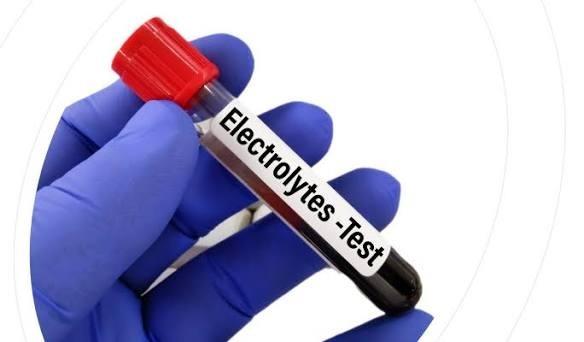
Introduction to Electrolytes Test in Lahore
Maintaining the right balance of minerals in the body is essential for good health. Electrolytes are important minerals that help regulate several body functions, including muscle movement, nerve communication, hydration, and heart activity. When these minerals become too high or too low, different health problems can develop. An electrolytes test in Lahore is a useful diagnostic investigation that helps doctors evaluate mineral levels in the blood and identify possible imbalances.
People may experience electrolyte disturbances due to dehydration, excessive sweating, certain medications, kidney problems, digestive illnesses, or other medical conditions. Sometimes, these changes produce noticeable symptoms, while in other situations, they may remain unnoticed. Laboratory testing provides valuable information that helps healthcare professionals understand the body's condition and recommend suitable medical care.
What Is an Electrolytes Test?
An electrolytes test is a blood investigation that measures important minerals responsible for maintaining the body's fluid and chemical balance. These minerals carry electrical charges and support communication between cells, nerves, and muscles.
The test commonly measures sodium, potassium, and chloride. Depending on the laboratory panel and medical requirements, bicarbonate may also be included. Some extended investigations measure additional minerals such as calcium and magnesium.
Doctors use these results to evaluate hydration, kidney function, acid-base balance, and certain metabolic conditions. The investigation may be recommended as part of a routine health assessment or when a patient experiences symptoms that suggest an electrolyte disturbance.
Why Electrolyte Balance Is Important for Your Body
Electrolytes perform several essential functions that allow the body to operate normally. Sodium helps regulate fluid levels and supports nerve and muscle activity. Potassium plays an important role in maintaining normal heart rhythm and muscle function.
Chloride works alongside sodium to maintain fluid balance and contributes to the body's acid-base regulation. Bicarbonate helps maintain the correct balance between acids and bases in the blood.
These minerals work together rather than independently. Even a small disturbance in their levels may affect different body systems. Maintaining an appropriate electrolyte balance is therefore important for hydration, physical performance, and general health.
Common Types of Electrolytes Measured in Blood Tests
An electrolytes test usually focuses on the minerals that have the greatest influence on fluid regulation and important body functions.
Sodium is one of the major electrolytes found in the blood. It helps control the movement of water between different body compartments. Abnormal sodium levels may occur due to dehydration, excessive fluid intake, kidney conditions, or certain hormonal problems.
Potassium is essential for normal muscle contractions and electrical activity in the heart. Both high and low potassium levels may become serious if they significantly affect heart function.
Chloride helps maintain fluid balance and supports normal acid-base regulation. Its levels are often evaluated alongside sodium and bicarbonate to understand possible chemical imbalances.
Bicarbonate is another important measurement because it helps maintain the body's normal pH. Changes may provide information about certain metabolic or respiratory conditions.
When Should You Consider an Electrolytes Test?
Doctors may recommend electrolyte testing when patients experience symptoms that could indicate an imbalance. Persistent weakness, unusual tiredness, muscle cramps, dizziness, nausea, and irregular heartbeat may sometimes be associated with electrolyte disturbances.
People experiencing prolonged vomiting or diarrhoea may also require testing because these conditions can cause significant fluid and mineral loss. Excessive sweating, particularly during hot weather or intense physical activity, may contribute to changes in electrolyte levels.
Patients with kidney problems, heart conditions, or certain hormonal disorders may need regular monitoring. The doctor decides whether testing is necessary based on symptoms, medical history, and other clinical findings.
Electrolytes Test in Lahore for Dehydration Assessment
Dehydration occurs when the body loses more fluid than it takes in. This may happen because of fever, diarrhoea, vomiting, excessive sweating, or inadequate fluid intake.
When dehydration becomes significant, the concentration of electrolytes in the blood may change. Sodium and other mineral levels can provide useful information about the body's fluid balance.
An electrolytes test in Lahore can help doctors assess patients who may be experiencing dehydration-related complications. The results are considered alongside physical symptoms, medical history, and other investigations to determine the appropriate approach to care.
The Connection Between Kidney Health and Electrolyte Levels
The kidneys play a major role in controlling electrolyte concentrations. They filter the blood, remove waste products, and regulate the amount of water and minerals retained by the body.
When kidney function becomes impaired, the body's ability to maintain normal sodium, potassium, and other mineral levels may be affected. This can lead to imbalances that require medical attention.
Doctors may recommend an electrolytes test together with kidney function investigations such as serum creatinine, blood urea, and estimated glomerular filtration rate. Combining these results provides a more complete understanding of kidney health and fluid regulation.
Importance of Electrolyte Testing for Heart Health
Electrolytes are closely connected with the electrical signals that control the heartbeat. Potassium, sodium, calcium, and magnesium all contribute to normal electrical activity in the heart.
Significant changes in these minerals may affect heart rhythm and muscle function. For this reason, doctors may recommend electrolyte testing for patients experiencing palpitations, certain cardiac symptoms, or conditions that increase the risk of mineral imbalance.
Patients taking particular medications, especially those that influence fluid balance, may also require periodic monitoring. Electrolyte results can help doctors decide whether additional assessment or changes in treatment are necessary.
How Is an Electrolytes Test Performed?
An electrolytes test is generally performed using a blood sample collected from a vein in the arm. A trained laboratory professional prepares the collection area, uses appropriate equipment, and places the sample in a suitable collection tube.
The collected sample is then processed and analysed using laboratory testing equipment. The analyser measures the concentration of selected electrolytes and produces results for laboratory review.
The procedure is usually straightforward and takes only a short time. Some patients may experience minor discomfort during blood collection, but serious complications are uncommon when proper procedures are followed.
Do You Need Fasting Before an Electrolytes Test?
In many cases, an electrolytes test does not require fasting. However, preparation instructions may depend on whether the doctor has requested additional investigations alongside the electrolyte panel.
For example, if blood sugar, cholesterol, or other tests are included in the same appointment, fasting may be necessary for those particular investigations.
Patients should confirm preparation requirements with their doctor or diagnostic laboratory before providing a sample. It is also important to inform healthcare professionals about medications and supplements that may influence electrolyte levels.
Understanding Your Electrolytes Test Results
Laboratory reports generally provide measured electrolyte levels along with reference ranges. These ranges help healthcare professionals evaluate whether a result falls within the laboratory's expected limits.
Low sodium levels may be associated with excessive fluid retention, certain medications, or other medical conditions. High sodium levels can occur with significant water loss or problems affecting fluid regulation.
Low potassium may develop due to digestive fluid loss, certain medications, or other health conditions. High potassium can be associated with impaired kidney function and some medications.
Abnormal chloride and bicarbonate levels may provide additional information about fluid and acid-base balance. However, no single result should be interpreted without considering the patient's overall health.
Factors That Can Affect Electrolyte Test Results
Different factors may influence electrolyte levels in the body. Excessive sweating, inadequate fluid intake, vomiting, and diarrhoea can contribute to changes in mineral concentrations.
Certain medicines, including diuretics, may affect the amount of sodium and potassium removed through urine. Kidney conditions and hormonal changes may also influence electrolyte regulation.
Laboratory sample quality is equally important. Incorrect collection, delayed processing, or unsuitable sample handling can sometimes affect results. A professionally managed laboratory follows appropriate procedures to minimise these issues.
Choosing a Reliable Laboratory for Electrolytes Test in Lahore
Selecting the right diagnostic facility is important when arranging an electrolytes test in Lahore. Patients should consider the laboratory's testing capabilities, professional staff, sample collection procedures, equipment, and reporting arrangements.
A dependable medical laboratory should follow suitable quality control procedures and maintain proper sample identification throughout the testing process. Clear communication is also important so patients can understand preparation requirements and report collection arrangements.
It is helpful to choose a diagnostic centre that offers additional investigations, including kidney function tests, CBC, blood sugar testing, and liver function tests. These services can be useful when doctors need a broader assessment of a patient's health.
Home Sample Collection for Electrolyte Testing
Home sample collection is a convenient option for people who cannot easily visit a diagnostic centre. Elderly individuals, busy professionals, and patients with limited mobility may benefit from this service.
Professional phlebotomists can collect blood samples at home while following appropriate hygiene and sample handling procedures. The samples are then transported to the laboratory for testing.
Before booking, patients should confirm whether home collection is available in their area of Lahore and whether their required investigations are included in the service.
Why Regular Electrolyte Monitoring Matters
Regular electrolyte monitoring may be important for people with ongoing medical conditions or those taking medications that influence fluid and mineral balance. Patients with kidney disease, heart conditions, and certain hormonal disorders may require periodic testing according to their doctor's recommendations.
Monitoring helps healthcare professionals identify changes over time and evaluate how well a treatment plan is working. It can also provide useful information when patients experience recurring symptoms that may be related to electrolyte disturbances.
However, testing frequency should always depend on individual medical needs rather than following the same schedule for everyone.
Conclusion: Take Better Care of Your Health with Electrolyte Testing
Electrolytes are essential for maintaining hydration, supporting nerve communication, regulating muscle activity, and maintaining normal heart function. Even small changes in their concentrations can affect different body systems and may require medical evaluation.
An electrolytes test in Lahore provides valuable information about sodium, potassium, chloride, and other important minerals. Whether testing is recommended for dehydration, kidney assessment, heart health, or routine medical monitoring, choosing a reliable diagnostic laboratory is an important step.
Do not ignore persistent weakness, unusual muscle cramps, dizziness, or other symptoms that may indicate an underlying health concern. Consult a qualified healthcare professional and follow the recommended diagnostic process to maintain better health and wellbeing.

 English
 Arabic
 French
 Spanish
 Deutsch
 Turkish
 Dutch
 Italiano
 Russian
 Romaian
 Portuguese (Brazil)
 Greek