
How the Right Packaging Structure Supports Product Quality and Retail Sales
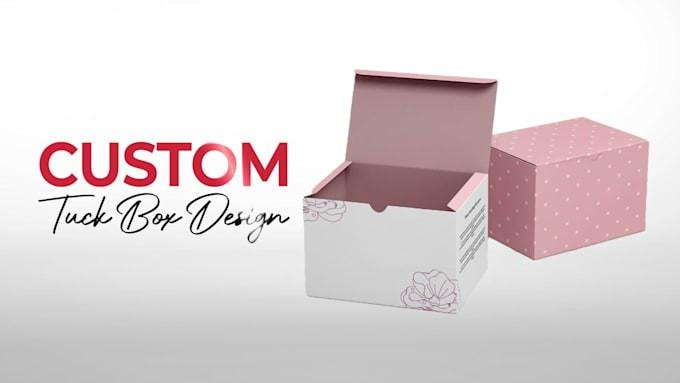
Product packaging plays an important role in how businesses store, display, and deliver their products. A suitable package should protect the item, provide useful product information, and make handling easier for both retailers and customers. The design also needs to match the product's size, weight, and selling requirements.
For many retail businesses, Tuck Boxes for product packaging offer a practical way to meet these needs. Their simple folding structure, lightweight paperboard material, and flexible printing options make them suitable for different industries. From cosmetic products to small electronic accessories, businesses can adjust the box design according to their packaging requirements.
Why Box Structure Matters in Product Packaging
Every product has different packaging requirements. A small skincare bottle needs a different level of support from a set of electronic accessories or a food item. This makes the box structure an important part of packaging design.
The folding carton structure uses scored lines and folding panels to create a complete box from a flat paperboard sheet. Its top and bottom flaps provide a simple closing system without the need for complicated assembly.
Businesses that choose Tuck Boxes for retail products can benefit from several practical features:
-
Easy opening and closing for customers.
-
Lightweight construction for convenient storage.
-
Flat sheets that take up less space before assembly.
-
Different sizes for various product categories.
-
Large printable surfaces for branding and product details.
These features make this packaging style useful for brands that need simple cartons for everyday retail products.
Different Styles for Different Packaging Needs
The closing mechanism can change the way a carton works. Some styles offer quick assembly, while others provide additional support at the bottom. Selecting the right design depends on the product and the packing process.
Straight Tuck End Boxes
In this style, the top and bottom flaps fold in the same direction. The design creates a clean appearance because the carton does not show an overlapping closure on opposite ends.
Many businesses use Straight Tuck Boxes for cosmetic packaging because they provide a neat presentation for skincare products, makeup items, and small beauty accessories.
Reverse Tuck End Boxes
Front and back flaps of reverse tuck cartons fold in opposite directions. This arrangement offers a practical closing system and works well for several lightweight retail products.
Brands can use Reverse Tuck Boxes for retail packaging when they need a simple carton for stationery, personal care products, and small consumer goods.
Auto Bottom Boxes
This design has a bottom structure that locks into place during assembly. It can reduce manual folding work and support faster packing operations.
Businesses that handle regular production orders can consider Tuck Boxes with auto bottom closures when their products need a more convenient assembly process.
Snap Lock Bottom Boxes
This style uses interlocking bottom flaps to create a secure base. It can offer more support than a standard tuck closure, depending on the paperboard grade and product weight.
Choosing the Right Paperboard for Your Products
The paperboard grade affects the strength, appearance, and print quality of a carton. A suitable material should support the product without adding unnecessary weight or cost.
Several paperboard options are common in folding carton production.
Solid Bleached Sulfate (SBS)
SBS is a white paperboard with a smooth surface. It provides a suitable base for detailed graphics, product descriptions, and brand colors.
Many beauty and personal care brands select SBS Tuck Boxes for premium retail products because the material supports clear printing and a clean package appearance.
Coated Unbleached Kraft (CUK)
There is a coating on the outside of the CUK paperboard, which is generally brown. It offers good stiffness and supports a range of printing options.
Brands that prefer a kraft appearance can consider this material for soaps, household products, and selected retail items.
Folding Box Board (FBB)
FBB has a layered structure that offers a useful balance between stiffness and weight. It works well for many consumer products that need an attractive outer carton.
Recycled Paperboard
Recycled paperboard uses recovered paper fibers in its production. Its strength and surface quality depend on the grade and manufacturing process, so businesses should check its suitability before placing an order.
When selecting paperboard Tuck Boxes for small products, businesses should consider the product weight, storage conditions, and expected handling.
Explore for more: https://ibexpackaging.com/tuck-boxes/
How Printed Packaging Helps Customers Recognize a Brand
A product's outer packaging gives customers important information before they make a purchase. The logo, product name, colors, and graphics all help communicate the brand's identity.
For example, a skincare brand may use soft colors and simple typography, while a food company may focus on product images and ingredient information.
With Custom Printed Tuck Boxes for brand packaging, businesses can include several useful design elements:
-
Company logo and brand colors.
-
Product name and description.
-
Ingredients and usage instructions where required.
-
Barcode and product identification details.
-
Contact information and regulatory details where applicable.
A clear layout helps customers find the information they need without making the package look crowded.
Printing Methods for Different Production Requirements
The printing method can affect color quality, production speed, and overall packaging cost. Businesses should select a process that matches their artwork and order quantity.
Offset printing: This method works well for larger production runs. It supports detailed artwork and consistent color reproduction across multiple cartons.
Digital printing: Digital printing offers flexibility for short runs, product testing, and designs that require frequent updates. It can also help small businesses test new packaging without ordering large quantities.
Flexographic printing: This method uses flexible printing plates and supports different packaging materials and production needs.
For brands that need custom printed Tuck Boxes for retail display, the choice of printing method should depend on artwork complexity, order size, and the required finish.
Finishing Options That Add More Detail
Printing creates the main design, but finishing options can add another level of detail to the carton. Businesses can select a finish according to their product category and brand style.
Some common options include:
-
Matte coating: Gives the surface a smooth appearance with less shine.
-
Gloss coating: Adds shine and helps printed colors stand out.
-
Spot UV: Creates a glossy effect on selected areas, such as a logo.
-
Foil stamping: Adds metallic details in gold, silver, or other foil shades.
-
Embossing: Creates raised areas on selected design elements.
-
Debossing: Presses a design into the paperboard surface.
For example, a beauty brand may use Foil Printed Tuck Boxes for cosmetic products to highlight its logo or product name. A simple matte finish may work better for a brand that prefers a clean and minimal design.
Why Accurate Box Measurements Matter
A well-designed carton needs accurate dimensions. If the box is too large, the product may move inside. If the structure is too tight, workers may find it difficult to place the product inside without damaging it.
Before ordering Custom Size Tuck Boxes for product packaging, businesses should check the following measurements:
-
Product length, width, and height.
-
Extra space required for caps, lids, or other components.
-
Internal dimensions of the carton.
-
Space needed for inserts or protective materials.
-
Final assembled dimensions for storage and shipping.
A physical sample can help businesses check the product fit before they approve a full production order.
Using Inserts for Better Product Protection
Some products need extra support inside the carton. Glass bottles, small containers, and delicate accessories can move around if the package has too much empty space.
Paperboard inserts, cardboard dividers, and fitted trays can help keep items in position.
For example, a perfume bottle may need a shaped insert that holds it in the center of the box. A skincare gift set with multiple containers may need separate compartments to prevent the products from touching each other.
Brands can also use Tuck Boxes with custom inserts for fragile products when the outer carton alone does not provide enough internal support.
Packaging Applications Across Different Industries
Different industries use folding cartons according to their product size, storage needs, and retail requirements.
Cosmetics and skincare: Makeup products, face creams, serums, and beauty accessories often need attractive cartons with clear product information.
Food and confectionery: Tea, chocolates, dry foods, and selected bakery products can use suitable paperboard cartons. Food-contact requirements depend on the material, coating, and intended use.
Personal care: Soap, shampoo, lotion, and grooming products need packaging that fits their dimensions and supports easy handling.
Electronics: Small accessories, cables, chargers, and lightweight devices can use cartons with suitable internal support.
Stationery and retail accessories: Pens, notebooks, craft supplies, and small household products can use folding cartons for organized shelf presentation.
The flexibility of Tuck Boxes for different product categories allows businesses to adjust the material, dimensions, and artwork according to their industry.
What to Check Before Placing a Packaging Order
Before starting production, businesses should review the complete packaging design. A small mistake in dimensions, artwork, or material selection can affect the final result.
Consider these important points:
-
Material thickness: Make sure the paperboard suits the product weight.
-
Closing system: Check that the flaps fit properly and stay in place.
-
Artwork: Review the logo, text, colors, and barcode placement.
-
Printing quality: Check whether the selected method meets the design requirements.
-
Sample approval: Test the assembled carton with the actual product.
-
Order quantity: Select a quantity that matches business demand and available storage space.
A packaging supplier can also provide a dieline, which shows the cutting, folding, and gluing areas. Designers use this template to prepare accurate artwork before production.
Final Thoughts
Good packaging starts with a clear understanding of the product and its requirements. Material selection, box dimensions, closing style, printing, and internal support all play a role in the final result.
For businesses that need lightweight and practical retail cartons, Tuck Boxes for custom product packaging offer a flexible solution. With suitable paperboard, accurate measurements, and a well-planned design, brands can create packaging that supports daily operations and provides a clear product presentation.
The main goal is to select a structure that works for the product, fits the production process, and gives customers a convenient packaging experience.

 Arabic
 French
 Spanish
 Portuguese
 Deutsch
 Turkish
 Dutch
 Italiano
 Russian
 Romaian
 Portuguese (Brazil)
 Greek