
Dental Restoration in Dubai: A Complete Guide to Repairing and Rebuilding Your Smile
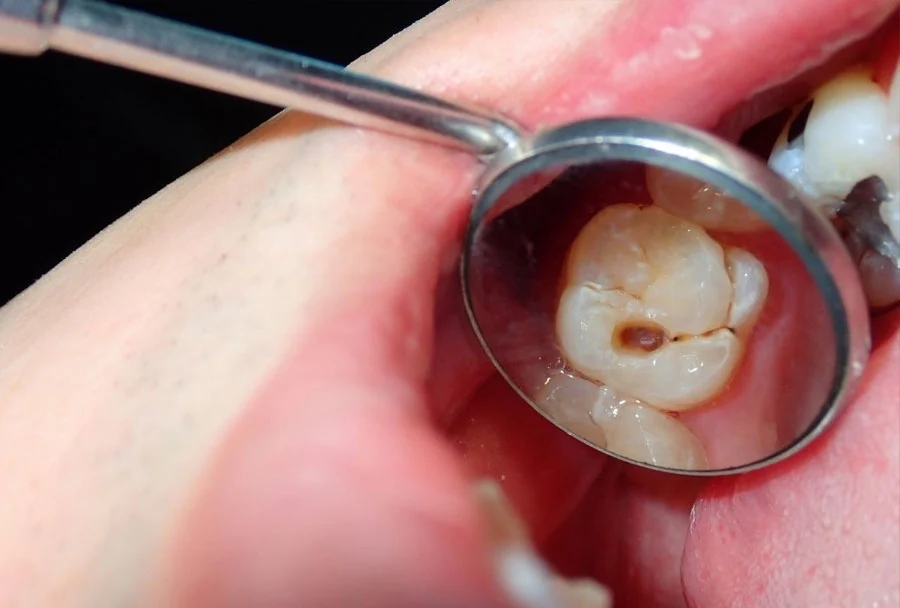
Damaged, decayed, or missing teeth can affect how you eat, speak, and smile. If you live in the UAE or are planning a visit, Dental Restoration in Dubai offers modern, reliable solutions that repair your teeth and bring back their natural look and function. This guide explains the most common treatments, their benefits, and how to choose the right clinic.
What Is Dental Restoration?
Dental restoration refers to any treatment that repairs or replaces damaged or missing teeth. It covers simple procedures such as fillings as well as advanced options such as implants and full-mouth reconstruction. The goal is to restore your oral health, comfort, and appearance while preventing further problems.
Common Types of Dental Restoration Treatments
Dental Fillings
Fillings are used to treat cavities. The decayed portion of the tooth is removed, and the space is filled with a tooth-colored material that blends with your natural teeth. This is one of the quickest and most affordable restorative options.
Dental Crowns
A crown is a custom-made cap placed over a weak, cracked, or heavily decayed tooth. It protects the tooth, strengthens it, and improves its shape and color. Modern ceramic crowns look very natural and last for many years with proper care.
Dental Bridges
When one or more teeth are missing, a bridge fills the gap by anchoring an artificial tooth to the neighboring teeth. It helps restore your bite and prevents the remaining teeth from shifting out of position.
Dental Implants
Implants are among the most durable solutions for missing teeth. A titanium post is placed in the jawbone and topped with a crown, creating a replacement that looks and feels like a natural tooth. Implants also help preserve jawbone density.
Dentures
Full or partial dentures are removable options for people who have lost several or all of their teeth. Today's dentures are lighter, more comfortable, and more natural-looking than older designs.
Veneers and Inlays
Veneers are thin porcelain shells that cover the front of teeth to fix chips, stains, or minor misalignment. Inlays and onlays are used when a tooth needs more support than a filling provides but not a full crown.
Benefits of Restoring Your Teeth
Restorative treatment does far more than improve appearance. It relieves pain, makes chewing easier, and improves speech. It also protects healthy teeth from additional wear and helps prevent gum disease and bone loss. Many patients find that a restored smile boosts their confidence in social and professional situations.
How to Choose the Right Dental Clinic
Choosing the right dentist is as important as choosing the right treatment. Look for a clinic with licensed, experienced dentists and modern equipment such as digital X-rays and 3D imaging. Check patient reviews and before-and-after results, and make sure the clinic offers a clear treatment plan with transparent pricing. A thorough consultation should explain your options, the expected timeline, and aftercare, so you can make an informed decision.
Factors That Affect the Cost
The price of restorative treatment depends on the type of procedure, the materials used, the complexity of your case, and the number of teeth involved. A simple filling costs far less than an implant or a full-mouth rehabilitation. Many clinics offer flexible payment plans, and some treatments may be covered partly by dental insurance, so it is worth checking your policy before you begin.
Aftercare Tips for Long-Lasting Results
Good habits will help your restorations last longer. Brush twice daily with a soft-bristled toothbrush, floss every day, and avoid chewing hard items such as ice or pen caps. Attend regular check-ups and professional cleanings so your dentist can spot any issues early. If you grind your teeth at night, ask about a custom night guard to protect your work.
Conclusion
Whether you need a simple filling or a complete smile rebuild, the right care can make your teeth strong, healthy, and beautiful again. Many patients now prefer Restorative Dentistry in Dubai because it combines advanced technology, experienced specialists, and personalized treatment plans in one place.
Frequently Asked Questions (FAQs)
1. How long do dental restorations last?
It depends on the type. Fillings usually last 5 to 10 years, crowns and bridges 10 to 15 years, and implants can last decades with good care.
2. Is dental restoration painful?
Most procedures are done under local anesthesia, so you should feel little to no pain. Mild sensitivity afterward is normal and usually fades within a few days.
3. How do I know which treatment I need?
Your dentist will examine your teeth, take X-rays, and recommend the best option based on the extent of damage and your goals.
4. Can restored teeth get cavities again?
Yes. The natural tooth structure around a restoration can still decay, so daily brushing, flossing, and regular dental visits are essential.
5. How many visits does the treatment take?
Fillings can be completed in one visit. Crowns, bridges, and implants usually need two or more appointments.

 English
 Arabic
 French
 Spanish
 Portuguese
 Deutsch
 Turkish
 Dutch
 Italiano
 Russian
 Romaian
 Portuguese (Brazil)