English
 Arabic
 French
 Spanish
 Portuguese
 Deutsch
 Turkish
 Dutch
Dutch
 Italiano
 Russian
 Romaian
 Portuguese (Brazil)
 Greek
Greek
Breaking: Robust Growth Set to Define the Rugged Display Market by 2035
Other |
2026-05-20 07:24:32
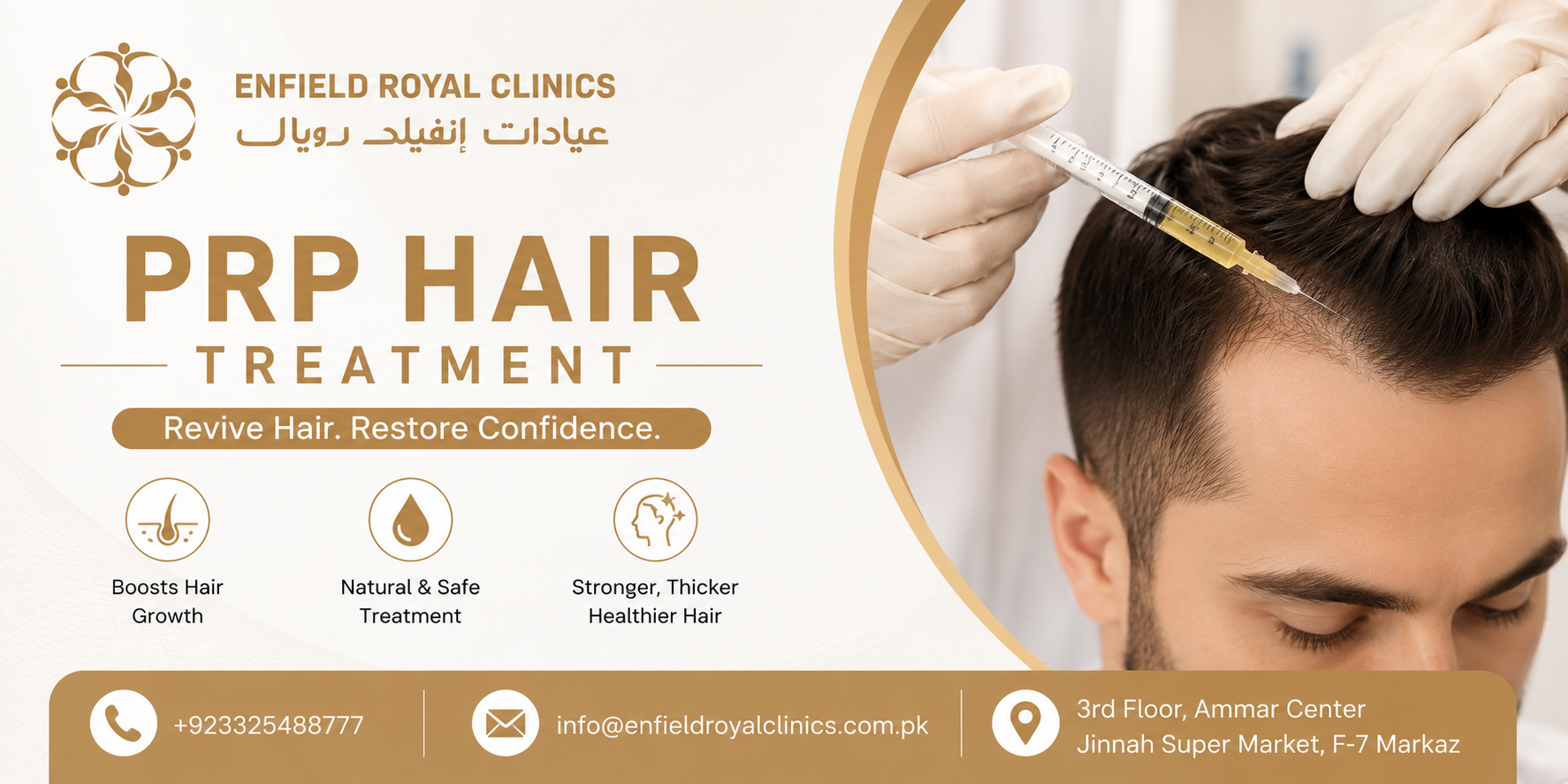
Hair restoration treatments can vary significantly in duration, and knowing how much time to set aside can make the process easier to plan. PRP hair treatment is a minimally invasive procedure that uses platelet-rich plasma prepared from the patient's own blood to support weakened hair follicles.
One reason people consider this approach is that a typical appointment does not usually require a long recovery period. However, the total time can vary depending on the clinic's procedure, the size of the treatment area, preparation, and individual needs.
Understanding each stage of the appointment can help patients know what to expect before, during, and after treatment.
A PRP hair treatment appointment commonly takes around 45 to 90 minutes, although the exact duration can vary.
The procedure itself may be relatively quick, but the complete appointment includes consultation, blood collection, preparation of the plasma, scalp preparation, injections, and aftercare instructions.
Patients should therefore allow enough time for the entire visit rather than focusing only on the injection portion.
Before treatment begins, the provider may examine the scalp and discuss the patient's hair loss pattern, medical history, previous treatments, and goals.
This initial assessment is important because hair thinning can have many causes. If the provider identifies signs of an underlying problem, additional evaluation may be recommended before proceeding.
Once treatment is considered appropriate, the scalp may be cleaned and prepared. Depending on the patient's sensitivity and the clinic's protocol, a topical numbing product may be used to improve comfort.
This preparation can add some time to the appointment.
The first procedural step involves collecting a small amount of blood, usually from a vein in the arm.
The process is similar to a routine blood draw and generally takes only a few minutes. The amount collected depends on the treatment protocol and the quantity of plasma required.
After collection, the blood sample is prepared for processing.
The collected blood is placed in a specialized centrifuge. The centrifuge spins the sample at a controlled speed to separate its components.
This allows the platelet-rich portion of the plasma to be isolated from other blood components. The prepared plasma is then drawn into syringes for application to the scalp.
The processing stage is an important part of the appointment because the treatment relies on preparing the appropriate platelet-rich component before it is administered.
The injection portion may take approximately 15 to 30 minutes, depending on the area being treated and the extent of thinning.
A provider typically uses fine needles to introduce the prepared plasma into selected areas of the scalp. The injections are placed strategically according to the patient's hair loss pattern.
The number of injection points can vary, so treatment time is not identical for every patient.
Most people tolerate the procedure reasonably well, although some sensitivity or mild discomfort can occur during scalp injections.
The level of discomfort depends on individual pain tolerance and the number of injections. A numbing cream or other comfort measures may be used when appropriate.
Patients should discuss concerns about discomfort with their provider before the procedure so suitable measures can be considered.
One advantage of this treatment is that it generally requires little downtime. Patients can often return to their regular routine relatively soon after the appointment.
Temporary redness, tenderness, mild swelling, or sensitivity may occur at injection sites. These effects usually settle within a short period.
Aftercare recommendations can vary, so patients should follow the specific instructions provided by their clinician.
Many people can return to work or other everyday activities after the appointment. However, the provider may recommend avoiding certain activities for a short period.
These may include strenuous exercise, excessive heat exposure, swimming, or applying certain products directly to the scalp.
The exact restrictions depend on the individual's treatment and the provider's aftercare protocol.
The appointment itself may take less than an hour or somewhat longer, but the biological response takes much more time.
Hair follicles follow natural growth cycles, so visible improvements cannot be expected immediately after treatment. Some patients may notice changes in shedding or hair texture first, while improvements in density may take several months.
The response varies according to the cause and severity of hair loss, follicle condition, age, health, and treatment plan.
A single session may not be the complete treatment plan. Many patients are recommended a series of sessions separated by several weeks.
The number and timing of appointments depend on individual needs. Follow-up assessments can help determine whether the scalp is responding and whether further treatment is appropriate.
Maintenance sessions may also be considered in some cases.
Several factors can make an appointment shorter or longer, including:
For this reason, patients should ask their provider for an estimated appointment duration during consultation.
So, how long does PRP hair treatment take? A complete appointment often takes around 45 to 90 minutes, although the exact time varies according to preparation, processing, and treatment requirements.
The injections themselves may only take a portion of the visit, while consultation and blood processing also contribute to the overall appointment length. Most patients do not require extensive downtime afterward.
Although the procedure is relatively quick, hair growth is a gradual process. Visible changes may take several months, and multiple sessions may be recommended depending on the individual's condition.
A professional assessment can help determine the appropriate treatment schedule, expected results, and aftercare requirements for each patient.
For more information visit Enfield royal clinic in islamabad