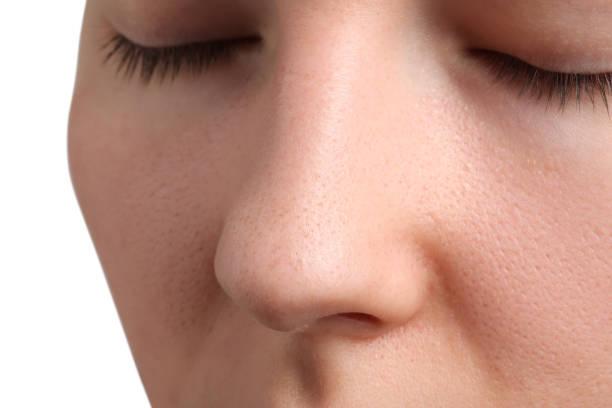
The human nose is a masterpiece of biological engineering, combining form and function in a remarkably compact structure. For patients considering alarplasty, understanding the anatomy of the alar base transforms a surgical procedure into an informed appreciation of nasal architecture. This foundational guide explores the intricate structures that make up the alar base, explaining how each component contributes to both appearance and function. Alarplasty in Riyadh (جراحة تصغير فتحات الأنف في الرياض) By understanding the anatomy that your surgeon will delicately refine, you can approach your procedure with greater confidence and a deeper appreciation for the surgical artistry involved in achieving beautiful, natural-looking results.
The External Nasal Anatomy
Before focusing on the alar base specifically, it is helpful to understand how this region fits into the overall nasal structure:
The nasal pyramid:
The nose is often described as a pyramid, with the bridge forming the peak and the nostrils forming the base. This pyramid is supported by a framework of bone and cartilage, covered by skin and soft tissue.
Key external features:
-
Nasal bridge: The upper bony portion of the nose
-
Nasal tip: The lowest, most prominent point of the nose
-
Columella: The tissue between the nostrils
-
Alar base: The region where the nostrils meet the cheeks
-
Nostrils (nares): The openings of the nasal cavity
The Alar Base: A Closer Look
The alar base is a complex anatomical region composed of several interrelated structures:
Alar cartilages:
These paired cartilages are the primary structural support for the nostrils. They are U-shaped or C-shaped and provide the framework that maintains nostril patency (openness). The alar cartilages are flexible and move subtly during breathing and facial expressions.
Alar rims:
The thickened edges of the nostrils, formed by the alar cartilages and covered by skin. The shape and thickness of the alar rims contribute to the overall appearance of the nasal base.
Alar-facial junction:
The natural crease where the nostril meets the cheek. This junction is the preferred location for alarplasty incisions, as scars can be concealed within this existing facial fold.
Nasal sill:
The area at the base of the nostrils, between the nostrils and the upper lip. The nasal sill contributes to the overall contour of the lower nose and upper lip relationship.
Columella:
The tissue separating the nostrils. The columella varies in width and shape among individuals and influences the appearance of the nasal base.
The Role of Skin and Soft Tissue
The skin and underlying soft tissue play a significant role in the appearance of the alar base:
Skin thickness:
The skin of the nasal base varies in thickness among individuals:
-
Thick skin: Often found in patients of African, Asian, or Hispanic descent. Thick skin may obscure underlying cartilage contours and requires a different surgical approach.
-
Thin skin: More common in patients of European descent. Thin skin shows underlying contours more clearly but may be more prone to visible imperfections.
Subcutaneous tissue:
Beneath the skin lies a layer of fat and connective tissue that contributes to the fullness and contour of the nasal base. This tissue is carefully managed during alarplasty.
Muscles:
Small muscles around the nose, such as the depressor septi and the levator labii, affect nostril movement and flare during facial expressions.
The Vascular Supply
Understanding the blood supply to the alar base is essential for surgical safety:
Arteries:
The alar base receives blood from branches of the facial artery and the infraorbital artery. These vessels provide oxygen and nutrients to the tissues.
Veins:
Venous drainage follows a similar pattern, with blood returning to the facial vein.
Clinical significance:
The rich vascular supply of the nasal area supports healing but also means that surgeons must be careful to preserve blood flow during tissue removal.
The Nerve Supply
Sensation to the alar base is provided by branches of the trigeminal nerve:
Infraorbital nerve:
Provides sensation to the lower eyelid, side of the nose, and upper lip.
Nasal branches:
Specific branches supply the alar base and nostrils.
Functional Anatomy: Breathing and Flare
The alar base is not just about appearance—it plays a crucial role in nasal function:
The external nasal valve:
The alar cartilages and surrounding tissues form the external nasal valve, which regulates airflow during breathing. The valve is supported by the alar cartilages and should remain open during inhalation.
Nostril flare:
During deep breathing or physical exertion, the nostrils flare to increase airflow. This dynamic movement is influenced by the alar cartilages and surrounding muscles.
Protecting function:
A skilled surgeon preserves the structural integrity of the alar base while achieving aesthetic refinement, ensuring that breathing remains comfortable.
The Aesthetic Significance of the Alar Base
From an aesthetic perspective, the alar base plays a critical role in facial harmony:
Facial proportions:
The ideal nasal base width should approximate the distance between the inner corners of the eyes. This ratio contributes to a balanced facial appearance.
Nostril shape:
The shape of the nostrils—whether round, oval, or teardrop—influences the overall appearance of the nose.
Dynamic aesthetics:
How the nostrils move during smiling or other facial expressions is an important aesthetic consideration. A well-performed alarplasty preserves natural movement.
Variations in Alar Base Anatomy
The alar base varies significantly among individuals:
Ethnic variations:
-
African descent: Often features a wider nasal base with thicker skin.
-
Asian descent: May have a rounded nasal base with less defined alar rims.
-
Hispanic descent: Diverse characteristics, often with moderately wide nasal bases.
-
European descent: Typically features a narrower nasal base with thin skin.
Individual variations:
-
Asymmetry is common
-
Skin thickness varies
-
Cartilage shape differs
The Surgical Approach to the Alar Base
Understanding the anatomy of the alar base informs the surgical approach:
Incision placement:
The alar-facial junction is the preferred location for incisions, allowing for scar concealment within a natural crease.
Tissue removal:
The amount of tissue removed depends on the patient's anatomy and goals. The surgeon must balance aesthetic refinement with functional preservation.
Suture techniques:
Fine sutures close the incisions, holding tissues in their new position while healing occurs.
The Role of Cartilage in Alarplasty
While alarplasty primarily involves tissue removal, the alar cartilages also play a role:
Preserving cartilage:
The alar cartilages are generally left intact during alarplasty, as they provide structural support.
Cartilage reshaping:
In some cases, sutures may be used to adjust the position of the alar cartilages, further refining the nostril shape.
How Anatomy Influences Healing
Individual anatomy affects how you heal:
Skin thickness:
Vascularity:
The Consultation: Discussing Your Anatomy
During your consultation, your surgeon will evaluate your specific anatomy:
Physical examination:
-
Assessment of skin thickness and elasticity
-
Evaluation of nostril shape and flare
-
Measurement of nasal base width
-
Assessment of symmetry
Discussion:
-
How your anatomy will influence the surgical approach
-
What results are realistic for your specific features
-
How preservation of ethnic identity will be balanced with refinement
The Importance of Individualized Planning
Understanding the anatomy of the alar base underscores why surgical planning must be individualized. No two noses are alike, and a successful alarplasty respects your unique anatomy while achieving beautiful, balanced results.
Book an appointment consultation
For those seeking expert guidance and customized aesthetic care, you can book an appointment consultation at the 'Enfield Royal Riyadh(إنفيلد رويال الرياض).
Frequently Asked Questions
What is the alar base?
The alar base refers to the region where the nostrils meet the cheeks. It includes the alar cartilages, skin, and surrounding tissues.
Why does alar base anatomy vary so much?
Genetics, ethnic background, and individual factors all contribute to variations in alar base anatomy.
Does alar base anatomy affect breathing?
Yes, the alar base contributes to the external nasal valve, which regulates airflow during breathing.
Why is the alar-facial junction important?
This natural crease is the preferred location for alarplasty incisions, allowing scars to be camouflaged within an existing facial fold.
Can I request a specific nasal base width?
You can discuss your goals with your surgeon, but the final width must respect your unique anatomy and facial proportions.
 English
 Arabic
 French
 Spanish
 Portuguese
 Deutsch
 Turkish
 Dutch
Dutch
 Italiano
 Russian
 Romaian
 Portuguese (Brazil)
 Greek
Greek