English
 Arabic
 French
 Spanish
 Portuguese
 Deutsch
 Turkish
 Dutch
Dutch
 Italiano
 Russian
 Romaian
 Portuguese (Brazil)
 Greek
Greek
Priapus Injection or P shot Injection in Dubai: Follow-Up and Monitoring
Health |
2026-09-03 07:36:24
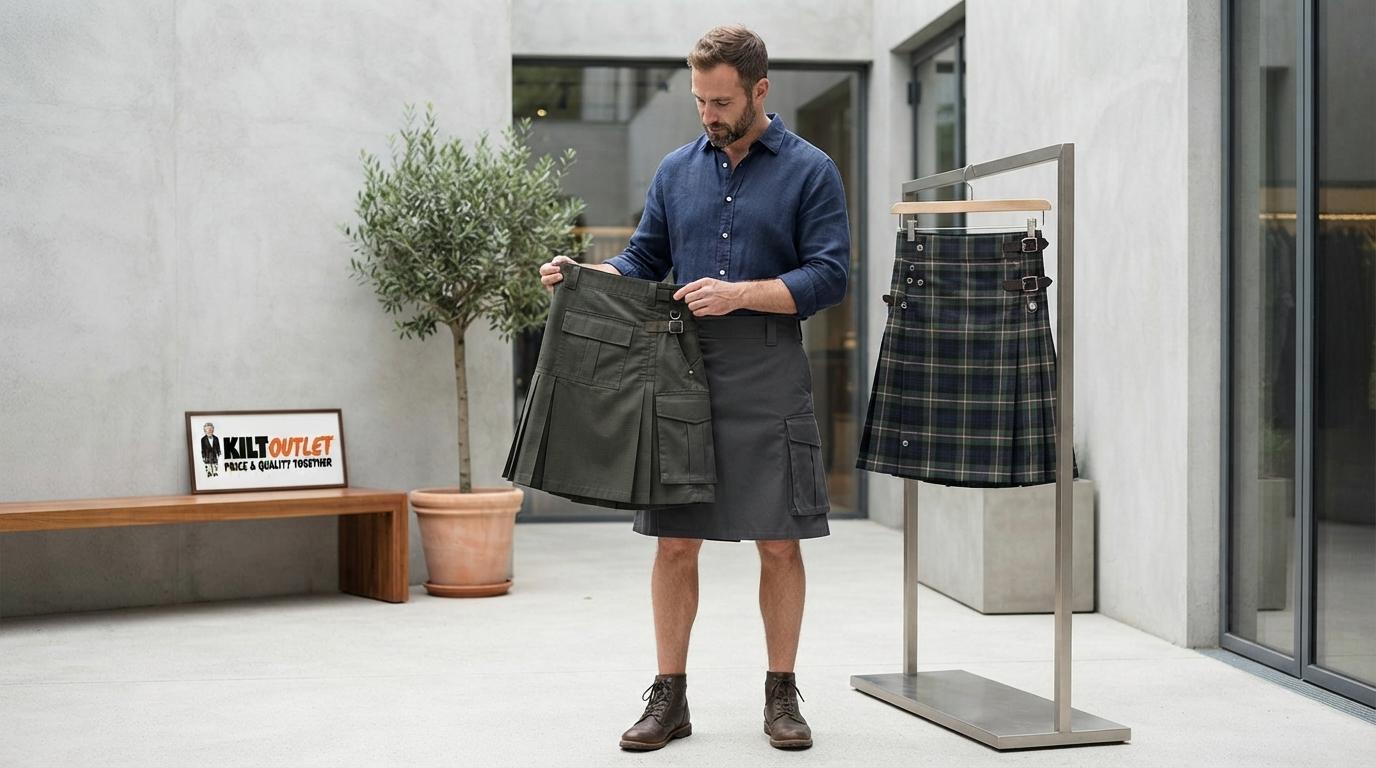
You have wanted one for months. Then the shopping starts, and every listing looks the same at three different prices, with no way to tell which suits a festival, a workshop, or a Saturday downtown. Most first orders fail on that single mismatch rather than on quality. Work backward from how you will actually wear it.
Write down the first three times you expect to wear it. That short list decides almost everything else.
Festivals and concerts point toward cotton canvas or denim in a dark color that hides spills and dust.
Workshop, yard, and trade use points toward heavy canvas with deep cargo pockets and strong hardware.
Nights out and rallies point toward leather or a hybrid with a tartan apron.
Weddings and heritage events point toward wool or a hybrid, since pure utility styling reads too casual in photos.
Cotton canvas is the default first choice. It breathes, washes easily, handles hard use, and costs less than wool or leather.
Denim wears in rather than out. It softens with every wash and pairs with everything already in your closet.
Wool blends hold a sharp pleat and handle cold weather. They cost more and need gentler care.
Leather makes a statement and carries real presence, though it needs conditioning and cannot go in a machine.
Comparing the Best Modern kilts For Men's wear comes down to this choice more than any other, because fabric sets both the look and the care routine you will live with.
Pleats should be stitched down through the hip. That stitching holds the fold line through years of washing, and its absence is why cheap kilts go shapeless.
Stress points need double stitching. Pocket corners, belt loops, and strap anchors carry the load.
Hardware should be solid brass, stainless, or coated steel. Painted zinc chips and rusts.
Apron edges should be finished or lined rather than raw cut, since raw edges curl and stretch over time.
Measure your natural waist where a belt sits, closer to the navel than the hip bone. A kilt rides higher than jeans, and that surprises most first-time buyers.
Take your hips at the widest point across the seat.
Measure length from that natural waist to the middle of the knee while standing straight.
Have someone else hold the tape. Self-measuring produces numbers that are consistently off by an inch or more.
Order up if you land between sizes. Straps tighten a loose waist and cannot fix a tight one.
Ordering by jeans size tops the list. Jeans sizing runs smaller than true waist measurement, so the kilt arrives tight and sits too low.
Choosing a short hem for looks comes second. A kilt that stops well above the knee stops being comfortable the moment you sit down.
Buying the cheapest listing comes third. Thin cotton and painted hardware feel acceptable on day one and look tired by month three.
Starting with leather comes fourth. It is the most rewarding option and the least forgiving if the measurements are slightly off.
Price tracks three things: fabric weight, pleat construction, and hardware. Nothing else moves the number much.
The cheapest tier saves money by thinning the fabric and skipping the pleat stitching, which is exactly where you feel the loss.
The middle tier buys proper canvas, stitched pleats, and solid hardware. That is where most buyers should land on a first purchase.
The top tier buys wool, leather, or detailed custom work. Move there once you know you will wear a kilt regularly.
Custom sizing usually costs little extra and changes the result more than any upgrade in fabric. Pay for the fit first.
Boots settle the whole outfit. Sneakers read casual, and dress shoes push it formal.
Keep the top fitted and plain. Baggy shirts hide the waistband and flatten the shape.
Let the shirt end at the waistband or tuck it. A long shirt tail over the apron kills the line entirely.
Add a belt if the kilt has loops. It defines the waist and gives you somewhere to hang a pouch.
Wear it around the house for an hour before the first outing. Familiarity removes the self-consciousness that people actually notice.
Empty the pockets and close every snap before washing, since loose hardware damages fabric in a drum.
Wash cotton and denim cold on a gentle cycle, then hang the kilt by the waistband to dry.
Avoid the dryer. Heat shrinks natural fibers and sets creases through the pleats.
Store it hanging. A folded kilt develops a horizontal crease across the apron that takes hard pressing to remove.
Press pleats individually with a warm iron when you want a sharp line, never across them.
What is the best first kilt for a beginner?
A cotton utility style in a dark color suits most first buyers. It handles casual wear, festivals, and work without needing special care.
Do I need Scottish heritage to wear one?
No. Non-tartan contemporary styles carry no clan association, so the question never arises.
How should a kilt fit at the waist?
Snug enough to stay up without a belt, sitting at the natural waist above the hip bone rather than at jeans height.
Can I wear a kilt in winter?
Yes. Wool or heavy canvas with tall socks handles cold well, and many wearers find layering simpler than with trousers.