
Custom Sauce Packets For Measured Portions And Flexible Food Packaging
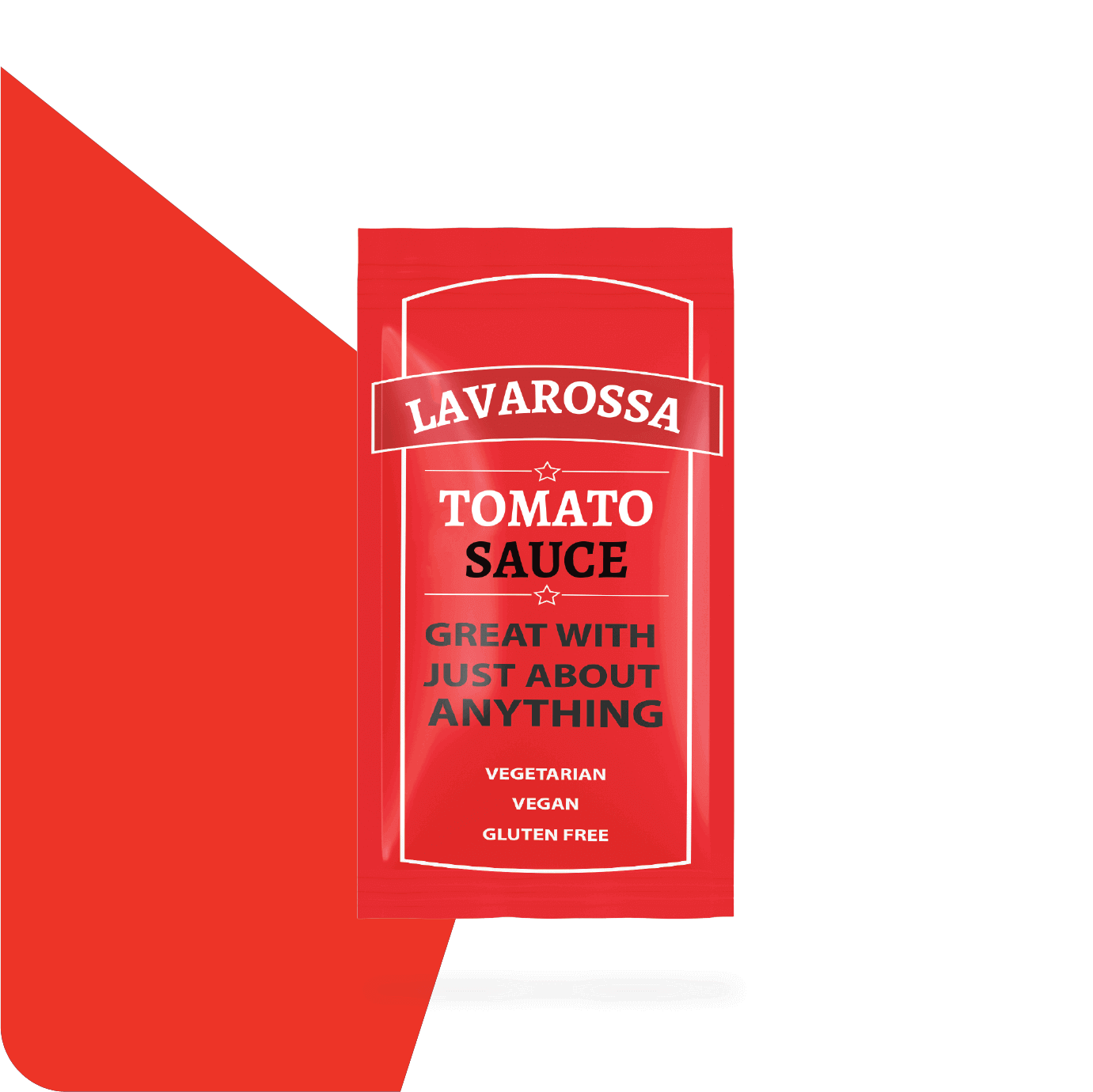
Single-serving condiments require packaging that combines controlled portioning, reliable sealing, food-contact materials, and clear product communication. Custom Sauce Packets are developed around flexible films, packet dimensions, seal configurations, opening points, and printed surfaces selected according to the characteristics of the sauce. Flat sachets, narrow stick packs, and specialty profiles create different formats for portion distribution. Within the Packaging Bag, these structures create an organized format for sauces, dressings, dips, and other liquid condiments.
Flexible Films Around Liquid Contents
Liquid sauces require film structures that remain compatible with filling, sealing, storage, and handling. Polyethylene, polypropylene, polyester, foil laminates, and multilayer combinations may be selected according to the characteristics of the contents. The internal layer is established according to food-contact requirements, while exterior layers are selected around printing and structural performance. Film thickness is also established according to the intended packet dimensions.
Portion Dimensions Based on Serving Quantity
A sauce packet is measured around the intended serving quantity rather than using one standard size for every product. Width, height, seal allowance, and internal volume are calculated according to the amount of sauce placed inside. Small packets may be developed for individual servings, while larger formats accommodate greater quantities. Different sizes may also be prepared for restaurants, food-service operations, takeaway orders, events, and packaged meal combinations.
Heat Seals Around Packet Edges
Heat sealing creates closed edges around the flexible film and establishes separation between the sauce and the external environment. Seal width, temperature, pressure, and dwell time are determined according to the film combination and production process. Properly specified sealing areas create a continuous perimeter around the contents. The sealing specification is coordinated with packet dimensions so the usable internal area remains appropriate for the intended serving quantity.
Flat Sachets for Compact Portions
Flat sachets create a simple, slim structure with front and rear panels joined around the perimeter. Their compact dimensions make them appropriate for individual condiment portions placed alongside prepared meals or food-service orders. The available surface area creates space for product names, flavor information, ingredients, nutritional details, and other required communication.
Stick Packs for Narrow Portions
Stick packs use a narrow elongated structure designed around measured quantities. Their long profile creates a distinctive format for sauces, dressings, syrups, and other liquid or semi-liquid products. Filling volume is calculated around the width and length of the stick pack, while sealing areas remain positioned at the ends. Printed artwork may extend along the front surface while supporting information is arranged on the reverse side.
Barrier Layers for Sauce Protection
Some sauces require additional separation from moisture, oxygen, aromas, or external contaminants. Multilayer structures may incorporate specialized polymer films, foil, or metallized layers according to the product requirements. The barrier level is established around the sauce composition and expected storage conditions. The material architecture is reviewed alongside the sealing system because barrier performance depends on the complete package structure rather than one individual layer.
Printed Panels for Product Information
Printed surfaces create organized areas for communicating important product details. Sauce names, flavor descriptions, ingredient lists, nutritional information, weight statements, storage instructions, contact details, and product imagery may be arranged across the available panels. The front area generally receives the primary identification while the reverse side accommodates supporting information. Artwork is positioned around the final packet structure so important content remains readable after the film has been formed and sealed.
Custom Shapes for Distinct Packet Profiles
Sauce packets may be produced in profiles beyond conventional rectangular sachets. Rounded corners, curved edges, shaped tops, and specialty outlines may be incorporated through custom die-cutting. The profile is developed around the filling volume, seal areas, and artwork boundaries. The selected shape is reviewed before production to confirm that printed graphics, opening points, seals, and filling areas remain correctly positioned.
Food-Contact Material Specifications
Direct-contact packaging requires careful attention to the materials placed against the sauce. Inner films, adhesives, coatings, and barrier layers are specified according to the intended food-contact purpose. Where applicable, FDA-compliant materials and relevant food-contact requirements are incorporated into the packaging specification. Material selection is completed before production so the final packet structure remains aligned with both the sauce characteristics and applicable packaging requirements.
Formats Across Different Sauce Varieties
Different sauces may have different viscosity levels, acidity, oil content, and dispensing characteristics. Ketchup, mustard, barbecue sauce, mayonnaise, hot sauce, dipping sauces, dressings, and specialty condiments may therefore receive different packet structures. Separate artwork systems may also distinguish flavors while retaining shared dimensions across a product family. This approach creates visual consistency without forcing every condiment into exactly the same structural arrangement.
Production Details Before Final Approval
Before manufacturing starts, the structural and visual specifications are reviewed together. Film composition, packet dimensions, seal widths, tear notch position, artwork, color references, surface treatment, and filling requirements are checked against the approved dieline. Pre-production verification reduces discrepancies between the intended packet and the finished production run. Digital proofs or physical samples may be reviewed before final approval. Once the specifications are confirmed, the approved artwork and structural details become the reference for printing, forming, filling, sealing, and final inspection.
Conclusion
Custom Sauce Packets combine flexible films, measured portions, heat-sealed edges, defined opening points, barrier layers, printed panels, and surface treatments within a compact food-packaging structure. Flat sachets and stick packs accommodate different serving formats, while custom dimensions correspond with filling quantities and product characteristics. Printed surfaces organize essential information, and food-contact material specifications address the requirements of condiment packaging. Within Packaging Bag, elements create a coordinated structure where the quality, protection, identity, visibility, and presentation of the product remain carefully considered from material selection through final production.

 English
 Arabic
 French
 Spanish
 Portuguese
 Deutsch
 Turkish
 Italiano
 Russian
 Romaian
 Portuguese (Brazil)
 Greek
Greek