
Nine Things That Go Wrong With Candle Packaging — and What Fixes Each
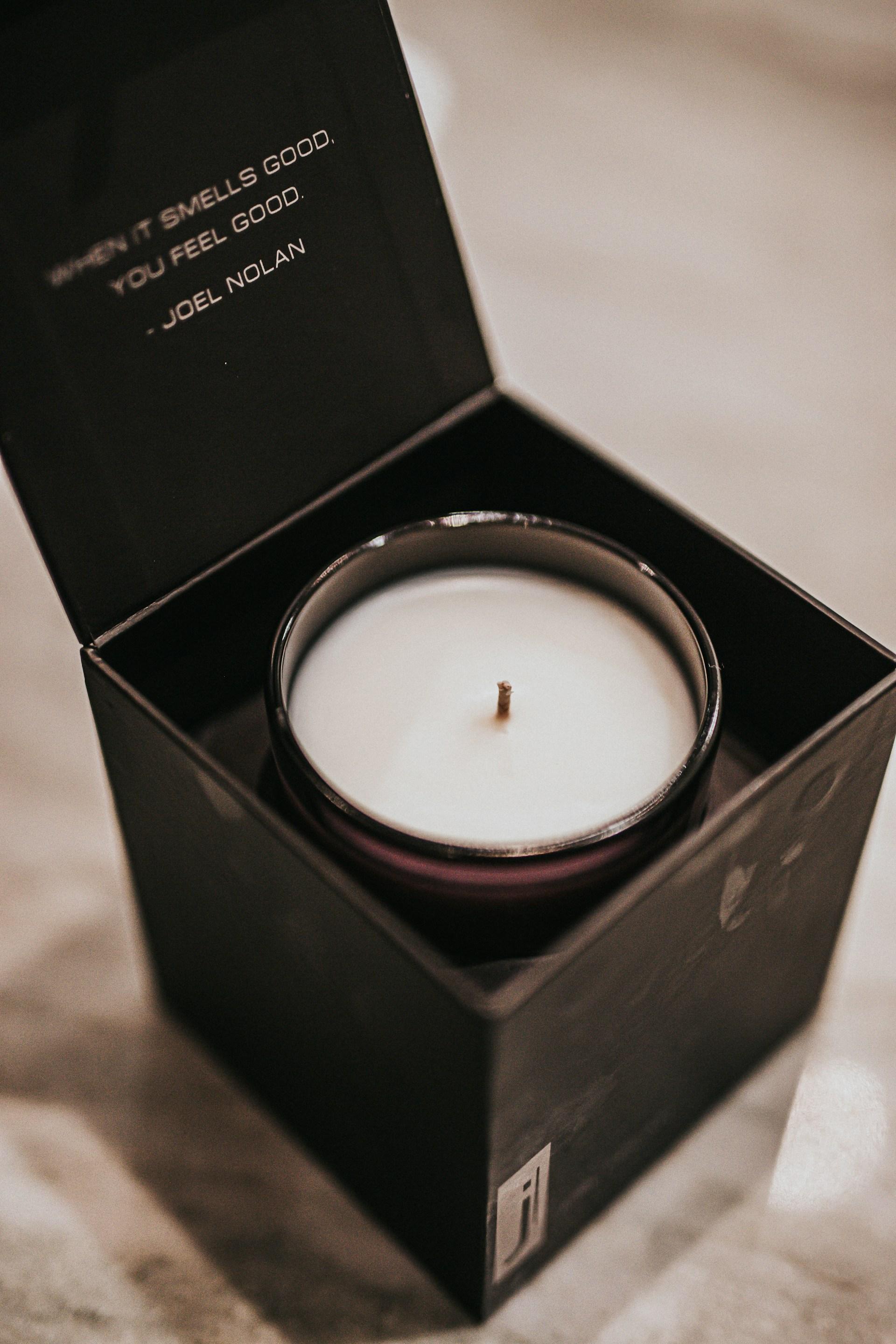
Candle brands rarely go looking for new packaging because they want something prettier. They go looking because something went wrong. A jar arrived cracked. A candle sweated in the box during a warm week. A holiday collection sat on a shop shelf while the brand next to it sold out. A customer asked whether the box could be recycled and nobody could answer.
Each of those complaints points somewhere specific. Candle packaging has to manage an unusual combination of problems: fragile glass, soft wax that reacts to heat, fragrance that is the whole reason people buy, and a product that is very often a gift. A box that solves one of those and ignores the rest fails in a way that looks mysterious until you know where to look.
This article works backwards from the symptoms. Find the one you recognise, and the fix will usually be narrower than replacing everything you use. Well-chosen Custom candle boxes are mostly a matter of matching the format to the failure.
Problem 1: “Jars keep arriving cracked”
What’s happening: The jar can move. A box sized generously enough to be easy to pack is loose enough for the glass to knock against the walls, and glass fails at the point of impact, usually a base edge or a rim.
The fix: Cardboard Candle Boxes made from thick, rigid board with a fitted insert, divider or corrugated padding hold the jar so it cannot shift. The protection comes from fit rather than from bulk — a close-fitting insert does more than any amount of loose filler.
Worth checking:
• Whether the jar touches the box wall anywhere
• Whether the insert is sized to your actual jar or a nominal one
• How the box behaves dropped on a corner
• Whether the lid can rattle against the glass
Problem 2: “The branding changes every season and the stock doesn’t”
What’s happening: A brand ordered printed boxes for a range that keeps changing, and is now holding hundreds of units for scents it no longer makes.
The fix: Candle Jar Sleeves separate the part that changes from the part that doesn’t. Keep one standard jar, and print a sleeve per scent or season. Sleeves are light, simple to fit and inexpensive to run in small quantities, so a new fragrance can be tested with a short print run and scaled only if it sells.
Worth checking:
• How many scents in your range change each year
• Whether one jar size can serve most of the range
• Whether the sleeve carries all required safety information
• Whether short runs are available at a sensible unit price
Problem 3: “Our holiday collection disappears on the shelf”
What’s happening: The festive range is packaged like the everyday range with a seasonal sticker, and it is competing with brands that designed for the season properly.
The fix: Christmas Candle Boxes are built for the gifting peak — seasonal colours, winter imagery, foil stamping or glitter accents, and die-cut windows that let shoppers see the candle. In a crowded holiday display, packaging that reads as a ready-made present is what gets picked up.
Worth checking:
• Whether the holiday range looks distinct from the core range
• Whether the box works as a gift without extra wrapping
• Whether orders are placed early enough to arrive before the peak
• What happens to unsold festive stock in January
Problem 4: “The packaging contradicts our natural story”
What’s happening: A brand selling soy or beeswax candles on clean-ingredient values is shipping them in glossy, heavily printed boxes, and customers notice the mismatch.
The fix: Kraft Candle Boxes made from natural, unbleached board have a warm, earthy look that reads as honest and handmade. They can stay plain or be printed with soy-based inks, and uncoated kraft is widely recyclable and breaks down naturally — so the packaging supports the story instead of undermining it.
Worth checking:
• Whether any coating or laminate affects recyclability
• Whether inserts are paper-based rather than foam
• Whether inks are soy or vegetable-based
• Whether every environmental claim is confirmed in writing
Problem 5: “The price says premium; the box says ordinary”
What’s happening: A luxury candle is arriving in a thin, flexible carton, and the customer hesitates before they have even seen the vessel.
The fix: Magnetic Candle Boxes are rigid, wrapped in premium paper, and close with a magnetic snap. The weight in the hand and the controlled opening signal quality immediately, and the box is durable enough that customers keep it afterwards — so the brand stays in view long after the candle has burned down.
Worth checking:
• Whether the box feels substantial before it is opened
• Whether the closure opens cleanly in one movement
• Whether the vessel is held still inside when the lid lifts
• Whether the finish survives handling without marking
Problem 6: “Wedding and event orders look generic”
What’s happening: Favour candles are packaged in the same boxes as everyday stock, and couples comparing suppliers are looking for something that feels made for their day.
The fix: Linen Candle Boxes add a refined, textured surface that feels warm to the touch. They can be matched to an event’s colour palette, finished with a foil-stamped monogram or ribbon closure, and lined with satin. For weddings and corporate events, the box becomes part of the keepsake.
Worth checking:
• Whether you offer a small, manageable palette of colours
• Whether personalisation lead times are clear to customers
• Whether you have a physical sample to show
• Whether the order is confirmed early enough for the date
Problem 7: “Candles sweat or soften in storage”
What’s happening: Candles are packed and stored somewhere warm, and fragrance oils migrate to the surface or the wax softens against the packaging.
The fix: This is a storage and material question. Keep packed stock somewhere cool, dry and dark, especially through summer. Avoid packaging that traps heat against the candle, and check whether any printed surface in contact with the wax could transfer or stain. A fitted insert that holds the candle away from the box walls also helps.
Worth checking:
• Where packed stock actually sits in warm months
• Whether printed surfaces touch the wax directly
• Whether stock is rotated so nothing sits for too long
• How candles behave after a warm courier journey
Problem 8: “We can’t answer recycling questions”
What’s happening: The packaging combines a printed box, a plastic window, a foam insert and a laminated finish, and nobody has worked out what a customer is meant to do with it.
The fix: Simplify the materials before improving the messaging. Choose paper-based inserts over foam, an open die-cut window over plastic film, soy-based inks over conventional ones, and uncoated board where the design allows. Then print a plain disposal instruction rather than a symbol that implies no conditions.
Worth checking:
• How many different materials a customer must separate
• Whether the window needs film at all
• Whether every claim has documentation behind it
• Whether disposal guidance is printed on the box itself
Problem 9: “Every order looks slightly different”
What’s happening: Packaging has been bought reactively over several years, so the range now carries different box styles, colours and even logo versions depending on when it was ordered.
The fix: Tier deliberately. Sleeves and kraft boxes for everyday candles, printed cardboard for online and wholesale lines, magnetic and linen boxes for gifts and luxury collections — with logo, colours and typefaces held identical across all three, so the tiers read as one brand at different price points.
Worth checking:
• Whether any stock carries an outdated design
• Whether a row of your candles looks like one range
• Whether each tier has a clear rule for what goes in it
• Whether reorder triggers exist, or you simply notice when stock runs out
Catching the Next One Early
Most of these problems survive because nobody tests properly. Three habits catch them.
Order samples and load them with your actual candles rather than an empty jar, because weight changes how a box and insert behave. Ship one to yourself through your normal carrier and open it cold, the way a customer would. And leave a few packed candles somewhere warm for a couple of weeks before committing to a large order, because heat-related failures only show up with time.
Conclusion
Candle packaging problems are specific, and so are the fixes. Cracked jars point to fitted Cardboard Candle Boxes, and a range that keeps changing points to Candle Jar Sleeves. A holiday collection that gets overlooked needs proper Christmas Candle Boxes, a natural brand needs the honest look of Kraft Candle Boxes, and a premium price needs the weight of Magnetic Candle Boxes. Generic event orders call for Linen Candle Boxes, and an inconsistent range calls for tiering your custom packaging boxes. Diagnose the actual failure, change that one thing, and leave the rest alone.

 English
 Arabic
 French
 Spanish
 Portuguese
 Deutsch
 Turkish
 Dutch
Dutch
 Italiano
 Russian
 Portuguese (Brazil)
 Greek
Greek