
Best Food Habits for Managing PCOS
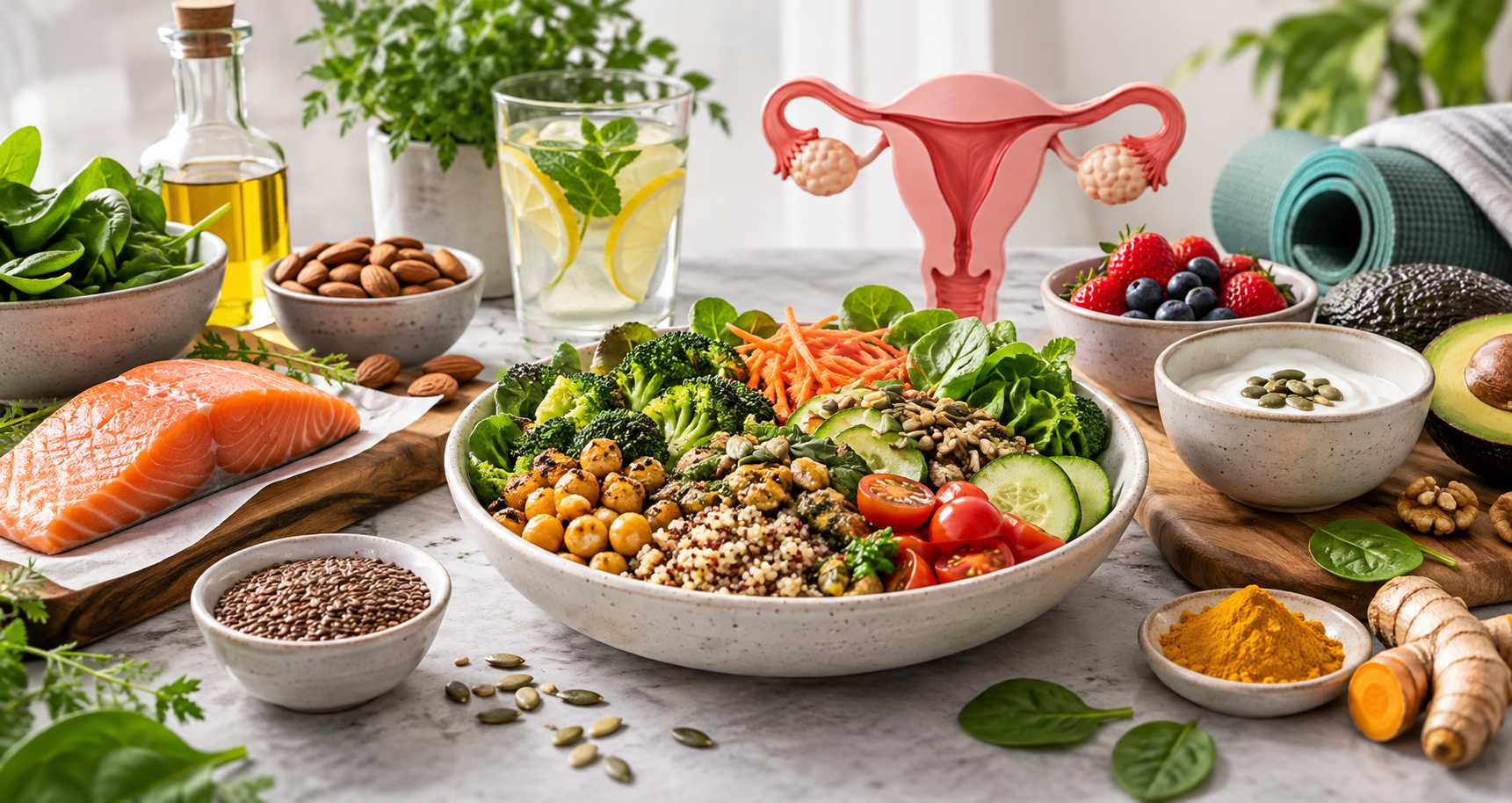
PCOS can make food and weight management feel confusing. One person tells you to stop eating rice. Another says to avoid dairy. Someone else recommends cutting out all carbohydrates.
But do you really need to follow a strict PCOS diet?
Not necessarily.
Current international PCOS guidance does not support one specific type of diet as being better than all others for PCOS. Instead, it recommends healthy eating that fits your food preferences, lifestyle and health goals. Regular physical activity and other healthy lifestyle habits also form an important part of PCOS management.
For many Indian women, this means you don't have to give up dal, roti, rice or home-cooked meals. You may simply need to change how you balance them.
Quick Answer
The best food habits for managing PCOS are based on balanced, sustainable eating rather than extreme restriction. Include vegetables, fruits, pulses, whole grains and suitable protein sources; pay attention to portions; limit excess added sugar and highly processed foods, and choose meals that you can follow consistently. There is no single PCOS diet that works for every woman.
What Is PCOS?
Polycystic ovary syndrome, commonly called PCOS, is a hormonal and metabolic condition that can affect menstrual cycles, ovulation, androgen levels and other aspects of health.
PCOS can look very different from one woman to another.
Some women struggle with irregular periods. Others may notice acne, excess facial hair, difficulty with weight management or fertility concerns.
PCOS is also associated with increased metabolic and cardiovascular risks, which is one reason lifestyle management matters even when weight loss is not the goal. WHO recommends healthy eating and physical activity for women with PCOS as part of overall health management.
So the focus shouldn't be only on the weighing scale.
Your periods, energy, eating habits, activity, sleep and overall well-being matter too.
1. Build Balanced Meals Instead of Cutting Carbs
One of the first things many women hear after a PCOS diagnosis is, "Stop eating carbohydrates."
That advice is too simple.
Carbohydrates are found in rice, roti, oats, fruits, potatoes, pulses and many other foods. You don't need to remove all of them.
Instead, look at the complete meal.
For example:
Less balanced meal:
Large serving of rice + small amount of vegetable curry
More balanced meal:
Moderate serving of rice + dal + vegetables + curd
The second meal contains a mix of carbohydrates, protein, fibre and other nutrients.
The international PCOS guideline recommends healthy eating based on general population dietary guidance rather than prescribing one specific diet composition for all women with PCOS.
2. Add Protein to Your Main Meals
Protein can be easy to miss in an Indian vegetarian diet.
A typical meal may contain roti and sabzi, but the protein portion may be quite small.
Try adding foods such as:
- Dal
- Chana
- Rajma
- Moong
- Curd
- Paneer
- Tofu
- Eggs
- Fish
- Chicken
- Soy-based foods
For example, if you usually have two rotis and vegetable sabzi for lunch, you could add dal or curd.
It doesn't have to become complicated.
Protein needs differ from person to person, so avoid copying a high-protein diet from social media without considering your individual needs.
3. Make Vegetables a Regular Part of Your Plate
Vegetables bring fibre, vitamins, minerals and other nutrients into your diet.
Yet many people eat them in very small quantities.
Try making vegetables a visible part of lunch and dinner.
You can rotate between:
- Spinach
- Beans
- Carrots
- Pumpkin
- Cauliflower
- Okra
- Bottle gourd
- Capsicum
- Peas
- Seasonal vegetables
You don't have to eat salads at every meal.
A homemade sabzi, vegetable sambar or mixed vegetable dish can also contribute to a balanced meal.
If you work long hours, prepare vegetables in advance when possible. This makes it easier to put together a proper meal instead of ordering whatever is quickest when you're hungry.
4. Choose High-Fibre Foods More Often
Fibre is another useful part of a healthy eating pattern.
Good sources include:
- Vegetables
- Fruits
- Lentils
- Beans
- Chickpeas
- Whole grains
- Nuts
- Seeds
WHO and FAO describe healthy diets as varied and based on foods such as vegetables, fruits, pulses, whole grains and nuts.
You don't have to suddenly increase your fibre intake overnight.
Start slowly.
For example, add one fruit during the day. Then include more vegetables at lunch. Later, increase your intake of pulses or whole grains if they suit you.
If you already have digestive problems, sudden dietary changes can sometimes cause discomfort. Make changes gradually and get professional advice when needed.
5. Be Careful With Added Sugar
Sweet foods are not automatically forbidden when you have PCOS.
But frequent intake of sugary drinks, sweets and highly processed snacks can make it harder to maintain a balanced eating pattern.
Look at your everyday habits.
Maybe you have:
- Sweet tea three or four times a day
- Biscuits with every cup of tea
- A sugary drink with lunch
- Dessert most evenings
Individually, these may not seem like much.
Together, they can become a regular source of added sugar.
You don't have to remove everything at once.
Try reducing the sugar in your tea gradually or replacing one sugary drink with water.
Small changes are easier to live with.
6. Don't Fear Rice and Roti
This deserves its own section because it comes up so often.
Rice is not automatically unhealthy for women with PCOS.
Neither is roti.
What matters is the overall eating pattern, portion size and what you eat alongside them.
A large plate of plain rice with very little protein or vegetables is different from a balanced meal containing rice, dal, vegetables and curd.
The same applies to roti.
Two or three rotis may be appropriate for one person and more than they need for another.
Your activity level, appetite, nutritional needs and health goals all matter.
This is one reason personalised nutrition can be more useful than a fixed PCOS food chart.
7. Don't Follow Extreme PCOS Diets
Search for PCOS online, and you will find plenty of strict rules.
No rice.
No dairy.
No fruit.
No gluten.
No sugar.
No carbohydrates.
No eating after 6 PM.
The list goes on.
But the international evidence-based PCOS guideline states that there is no evidence that one particular diet composition is superior to another for PCOS outcomes. It recommends sustainable healthy eating tailored to individual preferences and goals while avoiding unnecessarily restrictive and nutritionally unbalanced diets.
That matters.
A diet can look perfect on paper and still fail if you cannot follow it.
If you love South Indian food, for example, your eating plan doesn't need to replace dosa and idli with foods you don't enjoy. The overall meal can be adjusted around your nutritional needs.
8. Choose Snacks With More Thought
Snacking is not necessarily a problem.
The type and amount of food matter more.
If you're hungry between meals, options such as these may work:
- Fruit
- Roasted chana
- Curd
- A small portion of nuts
- Sprouts
- Homemade snacks
- Vegetable-based snacks
One common mistake is eating directly from a large packet.
You may start with a few chips or biscuits and suddenly realise that you have eaten half the packet.
Instead, take a small portion and put the packet away.
It sounds simple, but it works as a practical habit.
9. Don't Make Weight Loss the Only Goal
PCOS and weight are often discussed together, but managing PCOS is not simply about losing weight.
The international guideline recommends healthy lifestyle behaviours for women with PCOS regardless of whether weight loss occurs. For women who are not overweight, the focus can include healthy lifestyle and prevention of excess weight gain.
So ask yourself:
- Are your meals more balanced?
- Are you eating more vegetables?
- Are you moving regularly?
- Are you sleeping well?
- Are you managing stress?
- Are your eating habits becoming easier to maintain?
These are useful questions too.
10. Create Food Habits You Can Actually Maintain
A PCOS-friendly eating pattern should fit your real life.
If you work in Bangalore and spend long hours commuting, for example, a meal plan that requires cooking five different dishes every morning may not be realistic.
You might need:
- Quick breakfast options
- Easy lunch combinations
- Planned snacks
- Simple dinner choices
- Weekend meal preparation
- Healthier options when eating outside
The best plan is not necessarily the most restrictive one.
It is the one you can continue.
Common Food Mistakes Women Make With PCOS
Skipping meals
You may skip breakfast or lunch to "save calories" and then feel extremely hungry later.
That can make overeating more likely.
Eating too little
Trying to survive on salads and soups may sound like a weight-loss strategy, but it can leave you hungry and make the diet difficult to maintain.
Removing all carbohydrates
Carbohydrates are not automatically bad. The type, amount and overall meal pattern matter.
Copying a friend's PCOS diet
PCOS affects women differently. A diet that suits one person may not suit another.
Depending heavily on supplements
Supplements may have a role in specific situations, but they should not replace a balanced diet or medical care.
Expecting food alone to solve everything
Nutrition is one part of PCOS management. Physical activity, sleep, stress management, medical treatment and regular healthcare may also be relevant.
How Can a PCOS Nutritionist Help?
If you have been trying different diets without knowing what actually suits you, talking to a PCOS Nutritionist can make the process more structured.
A nutrition professional can look at:
- Your regular meals
- Food preferences
- Work schedule
- Physical activity
- Weight-management goals
- Digestive concerns
- Existing health conditions
- Dietary restrictions
- Previous dieting experiences
For example, imagine someone who eats very little during the day because she is trying to lose weight. By evening, she is extremely hungry and ends up eating sweets or ordering fast food.
The problem may not simply be "lack of willpower."
Her daytime eating pattern may need attention.
Personalised nutrition can help identify these practical issues and build meals around foods she is comfortable eating.
If you are looking for a PCOS Nutritionist, choose a qualified professional who takes your individual needs into account rather than promising a one-size-fits-all cure.
A Simple PCOS Food Routine to Start With
You don't need to change everything tomorrow.
Try this basic approach:
Breakfast
Include a protein source and a fibre-rich food.
Examples:
- Vegetable poha with peanuts
- Idli with sambar
- Eggs with whole-grain toast
- Moong chilla with curd
Lunch
Build a balanced plate with:
- Rice or roti
- Dal or another protein
- Vegetables
- Curd if suitable
Evening
Choose a planned snack instead of waiting until you are extremely hungry.
Dinner
Keep it balanced and choose portions that suit your hunger and nutritional needs.
And remember to drink water throughout the day.
Frequently Asked Questions
What is the best diet for PCOS?
There is no single diet that is best for every woman with PCOS. Current international guidelines recommend healthy eating that follows general dietary principles and is adapted to individual preferences, goals and needs. A sustainable eating pattern is preferred over a highly restrictive diet.
Can I eat rice if I have PCOS?
Yes. Rice can be part of a balanced PCOS eating pattern. The focus should be on the overall meal, portion size and food combination rather than automatically removing rice. Pairing rice with foods such as dal, vegetables and other suitable protein sources can make the meal more balanced.
Should women with PCOS avoid sugar completely?
Complete avoidance is not necessary for everyone. A better approach is to reduce frequent intake of foods and drinks high in added sugar while building a balanced diet around nutritious foods. Your overall eating pattern matters more than whether you occasionally enjoy a sweet food.
Can diet help manage PCOS symptoms?
Healthy eating is an important part of PCOS management and can support general health, metabolic health and weight management. It is not a cure for PCOS, and food changes should not replace appropriate medical care. Lifestyle management is recommended for women with PCOS regardless of whether weight loss occurs.
Should I see a PCOS Nutritionist?
A PCOS Nutritionist can be useful if you are struggling to build sustainable eating habits or are unsure how to structure your meals. Personalised guidance can take your food preferences, lifestyle, health concerns and goals into account rather than giving you a generic PCOS diet chart.
Final Thoughts
Managing PCOS does not mean living on salads or giving up every food you enjoy.
Start with your everyday meals.
Add more vegetables. Include protein. Choose fibre-rich foods. Reduce excess added sugar. Pay attention to portions. Keep your meals practical.
And don't judge your progress only by the number on the weighing scale.
PCOS management is about your overall health and well-being.
If you are struggling to figure out what works for you, getting personalised guidance from a qualified healthcare or nutrition professional can help you make changes that fit your actual life.

 English
 Arabic
 French
 Spanish
 Portuguese
 Deutsch
 Turkish
 Dutch
Dutch
 Italiano
 Russian
 Romaian
 Greek
Greek