Old and faded tattoos can look very different from newly applied tattoos. Over time, tattoo ink may become lighter, less defined, or uneven as the skin ages and undergoes natural changes. However, fading does not mean that the pigment has disappeared completely. tattoo removal riyadh can be considered for people who want to further reduce the appearance of an older tattoo or prepare the area for a future cover-up.
Why Old Tattoos Become Faded
Tattoo ink is placed beneath the surface of the skin, where it can remain for many years. Although the body gradually processes some pigment over time, most tattoo ink is too deep and stable to disappear naturally.
Sun exposure, skin aging, and gradual immune activity can contribute to changes in the tattoo's appearance. The edges may become less sharp, colors may lose intensity, and some areas may appear lighter than others. These changes can make an old tattoo look significantly different from its original appearance.
Even when a tattoo appears very faint, pigment may still be present in the deeper layers of the skin. This remaining pigment can respond to laser treatment depending on its color, composition, depth, and density.
How Laser Treatment Works on Older Tattoos
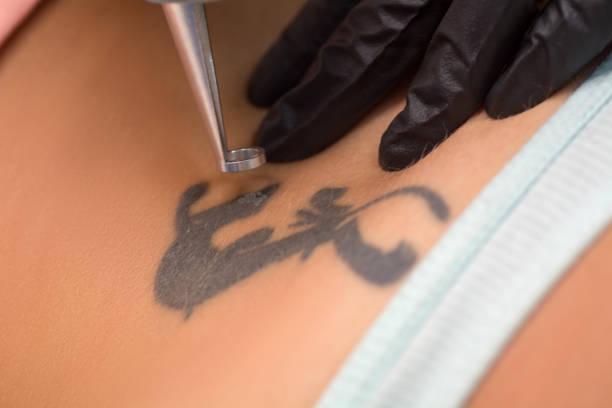
Laser tattoo removal uses short pulses of concentrated light energy to target tattoo pigment. The energy is absorbed by the pigment and helps break larger ink particles into smaller fragments. The body can then gradually process and clear these particles.
The fact that a tattoo is old does not automatically make it easier or harder to treat. In some cases, natural fading may mean that there is less pigment to target. However, the response depends on several other characteristics of the tattoo.
During Laser Tattoo Removal in Riyadh, a qualified professional can assess the tattoo's color, density, depth, location, and the condition of the surrounding skin before determining an appropriate treatment approach.
Are Faded Tattoos Easier to Remove?
A faded tattoo may contain less visible pigment than a newer tattoo, which can be helpful in some situations. However, visible fading alone does not guarantee complete removal.
Some older tattoos contain pigment that remains relatively deep in the skin. Others may have uneven concentrations of ink, making certain sections respond differently during treatment. Professional tattoos can also contain different pigment formulations, while amateur tattoos may have been placed at varying depths.
The laser wavelength and treatment settings therefore need to be selected according to the specific tattoo rather than simply its age.
Tattoo Color Still Matters
Color is an important consideration when treating old and faded tattoos. Dark pigments, particularly black ink, can often respond to commonly used laser wavelengths because they absorb the laser energy effectively. Colored pigments may require different wavelengths or a customized treatment strategy.
Red, blue, green, yellow, and other lighter shades can behave differently depending on the exact ink composition. A faded multicolored tattoo may therefore require an assessment of each pigment rather than treating the tattoo as a single uniform area.
This is one reason why an experienced provider should evaluate the tattoo before treatment begins.
What Affects Treatment Response?
Several factors can influence how an old tattoo responds to laser treatment, including:
- Ink color and chemical composition
- Amount and density of remaining pigment
- Depth of the tattoo ink
- Tattoo size and location
- Whether the tattoo was professionally or manually applied
- Individual skin characteristics
- Previous tattoo removal attempts
- Natural healing and immune response
- Sun exposure and recent tanning
Because these factors vary considerably, treatment plans are individualized rather than based only on how faded a tattoo appears.
What Happens During the Treatment Process?
Before treatment, the skin and tattoo are examined to determine whether laser removal is appropriate. The provider may discuss previous treatments, skin reactions, pigmentation concerns, medications, and your desired outcome.
During treatment, the laser delivers controlled pulses over the tattooed area. Patients may experience a snapping, stinging, or warming sensation. Temporary redness, swelling, tenderness, or other skin reactions can occur afterward.
Treatment sessions are generally spaced apart to allow the skin to recover and give the body time to process fragmented pigment. The tattoo gradually becomes lighter rather than disappearing immediately after a session.
Can an Old Tattoo Be Completely Removed?
Complete removal cannot be guaranteed. Some tattoos can fade substantially, while others may leave behind residual pigment or subtle changes in skin appearance.
For people considering a cover-up, significant fading may be the primary goal rather than complete removal. An assessment can help determine whether further laser treatment may improve the tattoo's appearance or create a better base for another design.
Patience is important because tattoo removal is a gradual process. Trying to treat an area too aggressively or too frequently may increase the risk of unnecessary skin irritation.
Aftercare for Older Tattoo Removal
Proper aftercare supports the skin while it recovers. Keep the treated area clean, avoid picking or scratching any crusting, and protect the skin from excessive sun exposure. Follow the provider's instructions regarding moisturizers, dressings, exercise, and skincare products.
Sun protection is particularly important because recently treated skin can be more sensitive to ultraviolet exposure. Your provider may also recommend avoiding certain cosmetic or exfoliating products until the area has recovered.
Book Your Appointment at Royal Clinic Saudia
If you have an old or faded tattoo and want to understand your removal options, Royal Clinic Saudia can assess the tattoo and surrounding skin and discuss an individualized treatment approach. A professional consultation can help establish realistic expectations and determine the most appropriate next steps.
FAQs:
Can an old tattoo still be removed with laser treatment?
Yes. Older tattoos can still contain pigment that may respond to laser treatment, although results vary according to the tattoo and individual skin characteristics.
Does a faded tattoo require fewer treatments?
Not necessarily. Natural fading may reduce some pigment, but the required treatment plan depends on color, depth, density, and other factors.
Can laser treatment remove a multicolored old tattoo?
Multicolored tattoos can be treated, but different pigments may respond differently. A customized approach may be required.
How long does it take to see fading?
Fading occurs gradually after treatment as the body processes fragmented pigment. Several sessions may be needed, with recovery time between treatments.


 English
 Arabic
 French
 Spanish
 Portuguese
 Turkish
 Dutch
 Italiano
 Russian
 Romaian
 Portuguese (Brazil)
 Greek