
How Wind Can Damage a Roof Without Leaving Obvious Signs
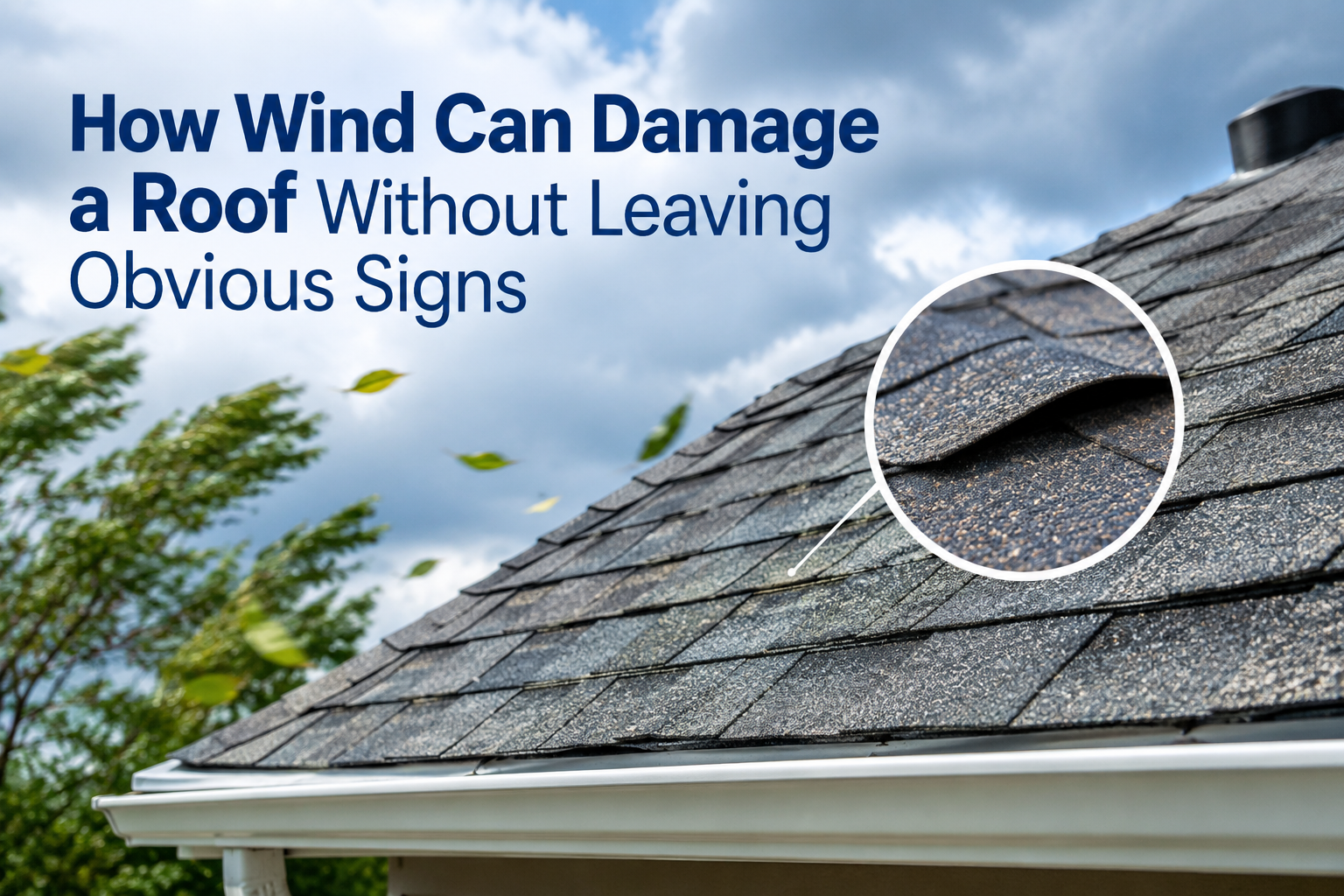
When people think about wind damage to a roof, they often imagine dramatic problems such as missing shingles, fallen branches, or a section of roof visibly torn apart. But wind does not always leave behind obvious evidence. Strong or repeated gusts can loosen roofing materials, weaken flashing, disturb seals, and create small openings that may remain unnoticed until water eventually finds its way inside.
That is why homeowners should not judge their roof's condition by appearance alone. Just as an experienced Interior and exterior painting company in Valhalla may look beyond surface imperfections to identify underlying issues, a roof inspection can reveal problems that are easy to miss from the ground. Some wind-related damage is subtle at first but can become much more expensive if it is ignored.
Why Wind Damage Isn't Always Easy to See
A roof is designed to withstand normal weather conditions, but it is constantly exposed to changing wind pressure. During a storm, gusts can lift the edges of shingles, flex roofing materials, and place stress on areas where different components meet.
The tricky part is that damage does not always mean something has completely broken or fallen away.
A shingle may still be sitting in place but have a damaged seal. A flashing piece may look normal but have shifted slightly. A roofing nail may have loosened without creating an immediately visible hole.
From the ground, the roof may look perfectly fine.
Meanwhile, small weaknesses can allow moisture to enter during the next rainfall.
Subtle Signs of Wind Damage to Watch For
Knowing what to look for can help you identify potential problems before they become major repairs.
1. Slightly Lifted Shingles
One of the most common forms of hidden wind damage is a shingle that has been lifted slightly.
You may not notice it from your yard, especially if only one corner or edge has moved. However, a lifted shingle can interfere with the roof's ability to shed water properly.
Once a shingle's seal is compromised, future wind can make the problem worse. Eventually, the material may curl, crack, or become completely detached.
2. Damaged or Broken Shingle Seals
Roof shingles typically rely on adhesive strips and proper fastening to remain secure.
Strong winds can place stress on these seals even when the shingles remain visually intact. If the seal has weakened, the shingle may be more vulnerable during the next storm.
This type of problem is particularly difficult for homeowners to identify because there may be no obvious missing material.
3. Loose Flashing
Flashing is installed around vulnerable areas such as chimneys, vents, skylights, and roof valleys. These locations are especially important because they help prevent water from entering joints and transitions.
Wind can loosen or shift flashing without completely tearing it away.
A small gap around flashing may not cause an immediate leak. Instead, water may slowly work its way beneath the roofing system, eventually affecting insulation, decking, or interior ceilings.
4. Damaged Roof Vents
Roof vents can also experience wind-related problems.
A strong gust may loosen a vent cover, disturb its flashing, or damage the seal around its base. Since vents are openings through the roof, even a small problem can provide an entry point for rain.
Homeowners often overlook vents because they focus primarily on shingles.
5. Small Granule Loss
If you have an asphalt shingle roof, look for unusual amounts of granules in gutters or downspouts after a major wind event.
Some granule loss naturally occurs as shingles age, so finding a small amount does not automatically mean wind damage. However, a sudden increase after a storm may deserve further inspection.
Excessive granule loss can expose the underlying roofing material and accelerate deterioration.
How Wind Can Affect the Roof Beneath the Shingles
A roof is more than the visible surface.
Underneath the shingles are layers that may include underlayment, flashing, roof decking, insulation, and structural components. Wind can affect these layers indirectly when surface materials shift or become compromised.
For example, if wind damages a shingle's protective surface, rain may eventually reach the underlayment. If moisture continues to enter, the roof decking can begin absorbing water.
At that point, the original wind event may seem like a distant memory, while the resulting problem appears to be a mysterious leak.
This is one reason it is useful to inspect a roof after severe weather even when there is no visible emergency.
Areas of the Roof Most Vulnerable to Wind
Not every part of a roof experiences wind in exactly the same way.
Roof Edges
The edges and perimeter of a roof can experience greater wind pressure than areas toward the center. This makes properly secured edge materials particularly important.
Look for lifted shingles, loose trim, or damaged fascia after a severe storm.
Roof Corners
Corners can be especially vulnerable because wind may change direction around them. Even small weaknesses in these areas can become larger problems over time.
Valleys
Roof valleys direct rainwater toward drainage areas. They also contain transitions where multiple roofing sections meet.
If wind shifts materials near a valley, water may find a path beneath the roofing system.
Chimneys and Skylights
Anything that extends through the roof creates another area where materials must be properly sealed and secured.
Wind can place stress on flashing around these features. Damage may not be obvious until rainfall exposes the weakness.
Why You Shouldn't Wait for a Leak
One of the biggest mistakes homeowners make is assuming that a roof is fine because water is not coming through the ceiling.
Unfortunately, a visible interior leak can be a late-stage warning rather than the beginning of a roofing problem.
Water can travel along roof decking, insulation, rafters, and other materials before eventually appearing on an interior wall or ceiling.
By the time you see a stain, the source may be several feet away from the visible damage.
A small roofing issue is generally easier to address than widespread moisture damage.
What to Check After a Windstorm
After strong winds, start with a visual inspection from a safe location.
You can look for:
- Missing shingles
- Shingles that appear uneven or lifted
- Loose roof-edge materials
- Damaged flashing
- Debris on the roof
- Broken or tilted vents
- Tree branches or limbs resting on the roof
- Unusual amounts of shingle granules in gutters
- New stains on ceilings or walls
- Damp areas in the attic
Do not climb onto a roof simply to investigate suspected damage. Wet or wind-damaged roofing can be slippery and unstable.
Instead, use binoculars for a ground-level inspection or arrange for a qualified professional to examine the roof.
How an Attic Inspection Can Reveal Hidden Damage
The attic can sometimes provide clues that are impossible to see from outside.
Look for daylight entering through places where it should not be visible. Check for damp insulation, water stains, darkened wood, or signs of moisture around roof penetrations.
You may also notice a musty smell if moisture has been entering for some time.
However, attic inspections have limitations. Not every roofing problem creates an obvious interior symptom, so the absence of attic damage does not necessarily prove that the exterior roof is unaffected.
When Professional Inspection Makes Sense
A professional inspection can be particularly useful after severe wind, even if the roof looks relatively normal.
An experienced roofing professional can examine vulnerable areas, check the condition of shingles and flashing, and identify signs of movement that may be difficult to recognize from the ground.
If you are looking for Roofing Contractors in Golden's Bridge, ask about their inspection process rather than simply asking for a repair estimate. A thorough evaluation should focus on identifying the source and extent of the problem before recommending work.
It is also helpful to document the roof's condition after a major storm. Taking photographs from the ground can create a useful record and make it easier to compare the roof's appearance over time.
Don't Ignore Small Changes
Roof damage does not always announce itself with a dramatic failure.
Sometimes the first clue is a single shingle that looks slightly different. Sometimes it is a small amount of debris in the gutter or a subtle change around a roof vent.
These details can be easy to dismiss, particularly when there is no immediate leak.
But paying attention to small changes can help homeowners catch problems earlier.
Regular inspections are especially valuable for older roofs because materials naturally become more vulnerable as they age. A roof that handled strong winds well several years ago may respond differently today because of weathering, previous repairs, or normal deterioration.
How to Reduce the Risk of Future Wind Damage
You cannot control the weather, but you can reduce some of the risks associated with wind.
Keep nearby trees properly maintained so dead or weak branches are less likely to fall onto the roof. Make sure gutters remain clear so water can drain efficiently. Have loose roofing materials repaired before the next major storm.
When replacing or repairing roofing materials, proper installation matters as much as material quality. Correct fastening, appropriate flashing, and careful attention to roof edges can all contribute to better performance.
It is also wise to address small roofing problems promptly instead of allowing them to accumulate.
Conclusion
Wind damage can be surprisingly deceptive. A roof may look intact while shingles have loosened, seals have weakened, or flashing has shifted in ways that are difficult to see from the ground. The absence of missing shingles or an obvious leak does not necessarily mean that your roof escaped a storm without damage.
After strong winds, take a few minutes to look for subtle changes, inspect accessible areas such as the attic, and arrange for a professional evaluation when something seems unusual. Preventive attention can help protect your roof and reduce the possibility of a small problem developing into costly water damage. For homeowners managing exterior maintenance alongside other property improvements, JLL Painting can also be part of a broader approach to keeping the home's exterior looking well-maintained and protected.
Frequently Asked Questions
1. Can wind damage a roof without removing shingles?
Yes. Wind can weaken shingle seals, loosen fasteners, shift flashing, or create small gaps without completely removing a shingle. These issues may not be obvious from the ground.
2. How can I tell if my roof has hidden wind damage?
Look for lifted or uneven shingles, loose flashing, damaged vents, unusual granules in gutters, attic moisture, and new ceiling or wall stains. A professional inspection can identify issues that are difficult to see yourself.
3. Should I inspect my roof after every major windstorm?
It is sensible to visually check your roof after significant wind, particularly if the storm included strong gusts, falling branches, or other severe weather. Avoid climbing onto the roof and seek professional assistance if you suspect damage.
4. Can a small wind-damaged area cause a roof leak later?
Yes. A small gap or compromised seal can allow water beneath the roofing materials. Over time, moisture can damage underlayment, decking, insulation, or interior surfaces even if there was no immediate leak.

 English
 Arabic
 French
 Spanish
 Deutsch
 Turkish
 Dutch
Dutch
 Italiano
 Russian
 Romaian
 Portuguese (Brazil)
 Greek
Greek