
Understanding Nicotine Pouch Material and Its Role in Consistent Production
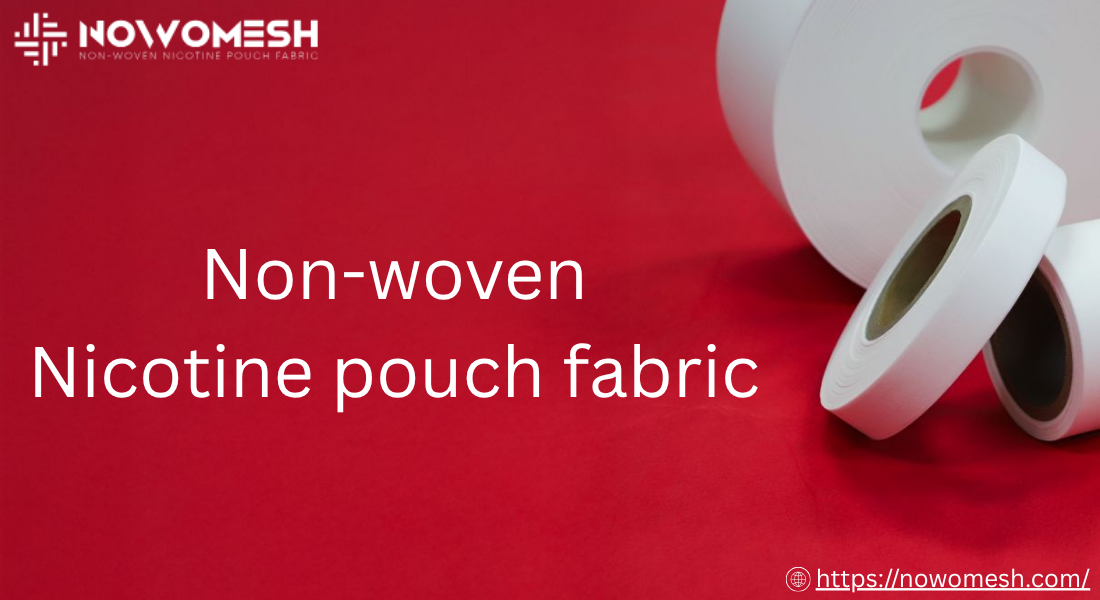
Producing consistent nicotine pouches requires careful attention to the materials used during manufacturing. The Nicotine Pouch Material needs to work with the production equipment while providing suitable properties for forming and sealing the finished pouch.
Different materials can vary in thickness, weight, strength, flexibility, and surface finish. Understanding these differences can help manufacturers compare available options and identify materials that fit their production requirements.
Why Nicotine Pouch Material Selection Matters
During manufacturing, pouch material is handled through several stages. It may be fed through machinery, formed into a specific shape, filled, and sealed. Each step can place different requirements on the material.
Ideal materials should have properties that work well with the equipment and production process. Consistency is also important because changes between rolls or batches can affect processing conditions.
Instead of selecting material based only on appearance, manufacturers can review technical specifications and compare them with their production requirements.
Understanding Nonwoven Pouch Materials
Nonwoven materials are made by bonding fibers together rather than creating the traditional woven structure found in many fabrics. Different manufacturing methods can produce materials with different characteristics.
The type of fibers and bonding process can influence the material's strength, flexibility, thickness, and surface properties. These characteristics can affect how the material moves through production equipment.
Material specifications can help manufacturers determine whether a particular option is suitable for their equipment and pouch design.
Material Structure and Fiber Selection
Understanding the structure of the material can provide useful information about how it may behave during production. Different fibers and bonding methods can create different performance characteristics.
Manufacturers should consider whether the selected material can be processed consistently with their machinery and pouch design.
Thickness and Basis Weight
Thickness is an important specification when evaluating pouch materials. Material that is too thick or too thin may not be suitable for a particular pouch design or manufacturing process.
Basis weight provides another way to compare materials by indicating the amount of material within a specific area. Looking at thickness and basis weight together can provide a better understanding of the material.
These specifications can then be compared with the requirements of the production equipment and finished pouch. Reviewing these details can also make it easier to identify a nicotine pouch material that fits the intended application.
Strength and Flexibility
Strength is another important characteristic to review. During production, the material may be pulled, handled, bent, or moved through different stages of the manufacturing process.
The material should be able to handle these conditions without creating unnecessary processing problems.
Flexibility is also important because pouch material may need to bend or move during forming. A material that combines suitable strength and flexibility may be easier to process for certain applications.
Reviewing High Performance Nonwoven Fabric
When comparing high performance nonwoven fabric, manufacturers can review measurable specifications rather than relying only on general descriptions.
Technical information about tensile strength, flexibility, thickness, and other properties can make it easier to compare different material options.
Surface Finish and Material Feel
Surface finish can influence how a material behaves during production. Some materials have smoother surfaces, while others have more noticeable texture.
The surface can affect how the material moves through machinery and interacts with other components. For this reason, surface finish should be considered along with thickness, weight, strength, and flexibility.
If the same material is used across multiple production runs, having a consistent surface finish can also help maintain similar processing conditions.
Comparing Important Material Properties
Manufacturers can compare several specifications when evaluating potential materials. Looking at multiple properties rather than focusing on only one specification can provide a clearer picture of whether a material is suitable.
Thickness
Review whether the material fits the pouch design and equipment.
Basis Weight
Consider the amount of material within a specific area.
Tensile Strength
Review how the material responds to pulling forces.
Flexibility
Consider how easily the material bends or moves during production.
Reviewing these properties can help manufacturers narrow down their options and identify materials that match their production needs.
Consistency Across Production Batches
Consistent material is important when producing nicotine pouches over multiple production runs. Variations in thickness, weight, strength, or surface properties can change how the material behaves during processing.
A supplier should be able to provide material with consistent specifications from roll to roll. Manufacturers can ask about quality control procedures and technical documentation to better understand how material consistency is maintained.
Working with a reliable nonwoven material supplier can also make it easier to source the same material specifications when additional material is required.
Choosing a Suitable Material Supplier
The supplier is an important part of the material selection process. A nonwoven fabric manufacturer may offer several material specifications for different applications.
Before selecting a supplier, manufacturers can review technical documentation and ask questions about the material's thickness, basis weight, strength, flexibility, and surface finish.
It can also be useful to determine whether the supplier can consistently provide the same specifications. Reliable material availability can make production planning easier.
Match Material With Your Production Process
There is no single material specification that will work for every production process. Equipment, pouch size, production speed, filling requirements, and sealing methods can all affect material requirements.
Manufacturers should first understand their production process and then compare available materials against those requirements.
This approach can help identify pouch fabric solutions that are suitable for the intended application and help manufacturers select a nicotine pouch material based on their actual production needs.
Why Technical Specifications Matter
Product descriptions can provide basic information, but technical specifications allow manufacturers to make more detailed comparisons.
Measurements such as thickness, basis weight, tensile strength, flexibility, and surface properties can provide useful information when evaluating different materials.
Technical documentation can also help manufacturers explain their requirements to suppliers and determine whether a particular material may work with their equipment.
Final Thoughts
Choosing suitable nicotine pouch material is an important part of maintaining consistent nicotine pouch production. Manufacturers should consider thickness, basis weight, strength, flexibility, surface finish, and compatibility with their production process.
Nowomesh provides nonwoven fabric solutions for different applications and can help manufacturers explore material options based on their requirements. Understanding production needs and reviewing material specifications can make the selection process clearer.
For manufacturers looking for suitable materials, reviewing technical properties and working with an experienced supplier can help create a more consistent material selection process.
FAQs
What material is used for nicotine pouches?
Nicotine pouches can be made from different materials. Nonwoven fabrics are commonly used because they can be produced with specific thickness, weight, strength, and surface characteristics.
Do nicotine pouches contain fabric?
Nicotine pouches can use fabric-based materials. Many manufacturers use a type of material known as nonwoven fabric for the pouch structure.
Why can nicotine pouches have different textures?
Texture can vary when material specifications change. Differences in surface finish, thickness, weight, or other properties can affect how the finished pouch feels.
What properties should manufacturers review?
Manufacturers can review thickness, basis weight, tensile strength, flexibility, and surface finish. These specifications can then be compared with the requirements of the production process.
Where can I find nicotine pouch material?
Manufacturers can source nicotine pouch material from specialized suppliers. Nowomesh offers nonwoven fabric materials for different applications and can help manufacturers explore options based on their production requirements.

 English
 Arabic
 French
 Spanish
 Deutsch
 Turkish
 Dutch
Dutch
 Italiano
 Russian
 Romaian
 Portuguese (Brazil)
 Greek
Greek