
What to Expect from Professional Excavation Services in DFW, TX
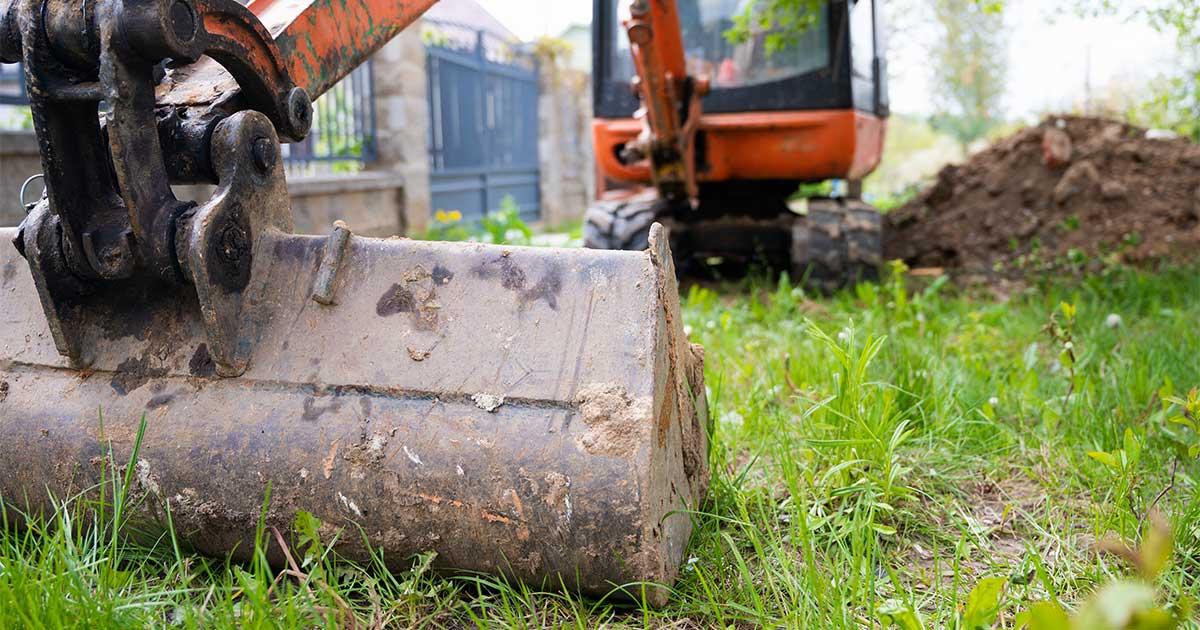
Excavation is one of the most important stages of preparing a property for construction, remodeling, drainage improvements, utilities, or other site-development work. Although moving soil may seem straightforward, professional excavation requires careful planning, accurate measurements, suitable equipment, and an understanding of existing site conditions. Experienced excavation services DFW TX contractors evaluate the property before digging and develop a work plan based on the project's goals. Knowing what to expect can help property owners make better decisions and prepare for a smoother construction process.
What Professional Excavation Services Include
Professional excavation involves much more than digging holes or moving piles of dirt. Depending on the project, services may include foundation excavation, trenching, grading, soil removal, drainage preparation, utility work, building-pad preparation, and general site development. Contractors select equipment and techniques according to the property's size, soil conditions, accessibility, and intended use. The objective is to create accurate and stable ground conditions that support the next phase of the project.
Residential and commercial projects can have very different excavation requirements. A homeowner may need excavation for a foundation, swimming pool, driveway, drainage correction, or utility trench, while a commercial development may require large-scale earthmoving and grading. Professional contractors evaluate the scope before mobilizing equipment so that the machinery, labor, hauling, and sequence of work are appropriate. This preparation can help reduce unnecessary costs and prevent avoidable delays.
The Initial Site Assessment
The first step is usually a detailed evaluation of the property. The contractor looks at access points, existing structures, elevations, vegetation, drainage patterns, soil conditions, utility locations, and other factors that could influence the work. Site conditions can vary significantly across North Texas, so assumptions based only on the property's appearance may not be enough. A proper assessment provides the information needed to develop a practical excavation plan.
Access is another important consideration during the assessment. Excavators, loaders, dump trucks, and other heavy equipment require enough space to enter the property, operate safely, and remove or distribute materials. Tight gates, narrow driveways, overhead obstacles, steep slopes, and nearby structures can affect the equipment that can be used. Addressing these challenges before work begins helps the contractor establish a safer and more efficient workflow.
Planning for Utilities and Site Safety
Before digging begins, underground utilities need to be identified and properly addressed. Water lines, gas services, electrical systems, communication cables, sewer lines, and other buried infrastructure can create serious hazards when excavation is performed without adequate planning. Professional contractors incorporate utility locating and site-specific safety procedures into the preparation process. Property owners should also communicate any known underground features or previous construction work that could affect excavation.
Safety remains important throughout the entire project, not only during the initial digging. Equipment operators must consider excavation depth, soil stability, machinery positioning, nearby structures, traffic, workers, and changing site conditions. Depending on the scope, protective systems and other safety measures may be necessary around excavated areas. A professional approach focuses on maintaining controlled conditions while completing the work according to the project's requirements.
Choosing the Right Excavation Equipment
The equipment used on an excavation project should match the property's conditions and the work being performed. Excavators are commonly used for digging and earthmoving, while skid steers, loaders, dozers, and other machines can support grading, material handling, and site preparation. Larger development projects may require several types of machinery working together. Using the right equipment can improve productivity while reducing unnecessary disturbance to the surrounding property.
Equipment selection also depends on the scale and accessibility of the site. A machine that works well on an open commercial property may not be suitable for a confined residential lot. Experienced excavation services DFW TX providers consider the working area, digging depth, material type, hauling requirements, and project schedule when selecting machinery. This helps ensure that equipment is capable of completing the work without creating unnecessary complications.
Excavation, Grading, and Material Management
Once preparation is complete, the excavation crew begins moving soil according to the project plans. Depending on the job, this may involve removing unsuitable material, creating foundation areas, digging trenches, shaping slopes, or establishing required elevations. Excavated soil may be reused elsewhere on the property when appropriate, while excess material may need to be hauled away. Managing these materials efficiently can have a direct effect on the project's cost and timeline.
Grading is often closely connected to excavation because the final shape of the ground affects drainage, stability, and construction readiness. Proper grading can direct water away from structures and help establish the elevations required for foundations, driveways, parking areas, or landscaping. Professional sitework contractors use measurements and established plans rather than relying solely on visual judgment. Accurate grading gives subsequent construction crews a more reliable surface to work with.
How Land Clearing Fits Into Excavation
Some properties require land clearing before excavation can begin. Trees, brush, stumps, roots, overgrown vegetation, old debris, and unwanted surface materials can prevent heavy equipment from accessing the areas that need to be excavated. Land clearing DFW TX services can help remove these obstacles and create a cleaner work area. Coordinating clearing and excavation can make site preparation more efficient when both services are required.
The sequence of work depends on the property and the planned development. In some cases, vegetation and debris must be removed before excavation equipment can safely reach the site. On other properties, selective clearing may be preferable so that trees or other features outside the construction area remain protected. A contractor should evaluate the site and determine what needs to be cleared, what should remain, and how the work should be sequenced.
Foundation and Building Pad Preparation
Foundation excavation requires particular attention because the finished structure depends on the quality of the ground beneath it. Contractors may excavate to specific depths and dimensions according to the project's plans, then prepare the area for subsequent foundation work. Building pads may also require cutting, filling, leveling, and compaction to achieve the desired elevation and stability. Proper preparation helps provide a suitable starting point for concrete and structural construction.
The work should be coordinated with engineers, builders, or other project professionals when plans or specifications require it. Changes in elevation, soil conditions, or site requirements should not be handled casually because they can affect later construction stages. Clear communication allows excavation crews to understand the required grades and tolerances. This coordination is particularly important for larger residential developments and commercial projects.
Drainage and Water Management
Water management is another major reason property owners hire professional excavation contractors. Poor drainage can result in standing water, erosion, soil movement, or problems around foundations and paved surfaces. Excavation and grading can be used to establish swales, channels, drainage routes, or other features designed to direct water appropriately. The exact solution depends on the property's existing topography and the project's drainage requirements.
North Texas properties can present challenging soil and drainage conditions, making thoughtful site preparation especially valuable. A contractor should evaluate how water currently moves across the property and how the proposed construction will change that flow. Simply moving soil without considering drainage can create problems for the finished property. Proper excavation planning considers both the immediate digging requirements and the long-term performance of the site.
Final Grading, Cleanup, and Site Handover
After the primary excavation is complete, the contractor typically performs final grading and prepares the property for the next stage. Depending on the project, this may involve leveling specific areas, compacting suitable material, removing excess soil, shaping drainage features, or cleaning up construction debris. The final condition should match the agreed scope and any applicable project specifications. A clean and organized site makes it easier for builders, concrete crews, landscapers, or other contractors to continue their work.
Before the excavation crew leaves, the property owner should review the completed work and confirm that the major elements of the agreed scope have been addressed. Any remaining questions about excess soil, unfinished grading, access, or cleanup should be discussed promptly. A final walkthrough can help establish that the site is ready for the next phase. Clear communication at this stage helps prevent misunderstandings later in the construction process.
Choosing the Right Excavation Contractor in DFW
Selecting an excavation contractor should involve more than comparing hourly rates or basic project prices. Property owners should consider experience, equipment, insurance, safety practices, communication, project planning, and familiarity with local site conditions. A reliable contractor should be able to explain the proposed scope and identify factors that may affect cost or scheduling. Written estimates are useful because they clarify what services are included and what may be considered additional work.
It is also important to ask whether the contractor can coordinate related services when needed. Projects involving demolition, land clearing, grading, drainage, hauling, or site preparation may benefit from having closely connected work managed by an experienced team. Professional excavation services DFW TX providers can help property owners move from an undeveloped or difficult site toward a construction-ready property. With proper planning, careful execution, and effective communication, excavation becomes a strong foundation for the work that follows.

 English
 Arabic
 French
 Spanish
 Portuguese
 Deutsch
 Turkish
 Dutch
Dutch
 Italiano
 Russian
 Portuguese (Brazil)
 Greek
Greek