
Benefits of FUE Hair Transplant in Dubai
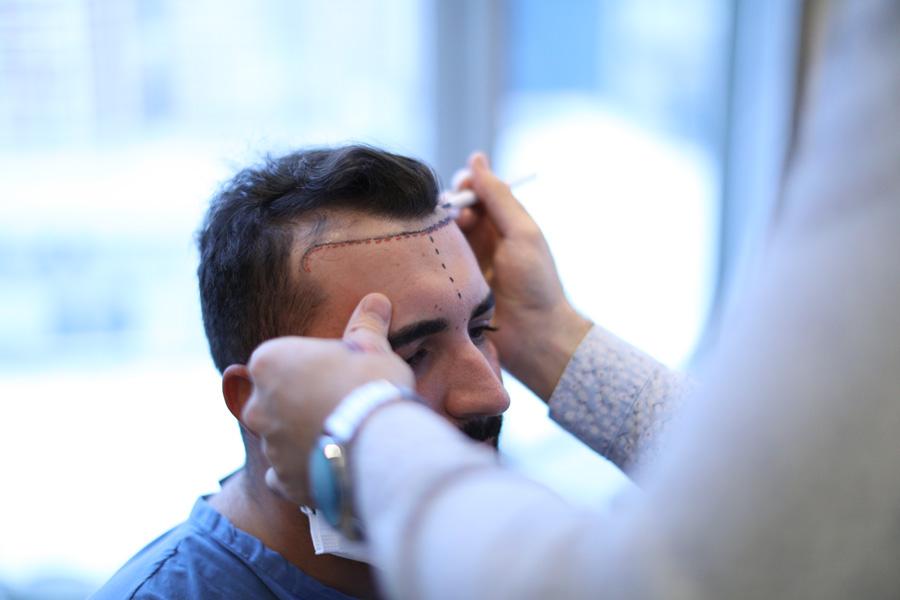
Hair loss can gradually change hair density, facial framing, and personal confidence. For people experiencing thinning hair, a receding hairline, or small areas of baldness, understanding available restoration techniques is an important first step. FUE hair transplant in Dubai is an option that involves transferring individual hair follicles from a donor area to regions that need additional coverage. Learning about its benefits, limitations, and recovery requirements can help individuals decide whether this approach suits their hair restoration goals.
What Makes FUE Hair Transplant in Dubai Different?
Follicular Unit Extraction (FUE) involves extracting individual follicular units, generally from the back or sides of the scalp, before implanting them into areas affected by hair loss. Unlike strip harvesting, which removes a section of scalp, FUE uses small extraction sites distributed across the donor area.
This technique allows individual grafts to be selected and positioned according to the needs of different scalp regions. The procedure can be planned to address the frontal hairline, temples, crown, or other areas with reduced density. However, the outcome depends on donor hair availability, scalp characteristics, and the progression of hair loss.
Benefit of Avoiding a Long Linear Scar
One commonly discussed advantage of FUE is that it does not require a long incision to remove a strip of scalp. Instead, small extraction marks are left in the donor area. These marks usually become less noticeable as healing progresses, although tiny scars can remain.
This may appeal to people who prefer shorter hairstyles or want to avoid a linear donor scar. The visibility of any scarring depends on the extraction technique, healing characteristics, hair length, and individual skin response. FUE should therefore not be considered a completely scar-free procedure.
Personalized Hairline Design and Graft Placement
Hairline Planning for Facial Balance
A carefully planned hairline can help the transplanted hair complement the person's facial features. Its height, shape, and density should reflect natural hair growth rather than follow an identical pattern for every individual. Planning also needs to account for age and the possibility of further hair loss.
Targeted Coverage for Thinning Areas
FUE allows grafts to be placed in selected areas where additional density is needed. The frontal scalp, temples, and crown may require different approaches because their natural growth directions vary. Thoughtful graft distribution can help create a balanced appearance while making appropriate use of the available donor follicles.
Is FUE Suitable for Different Types of Hair Loss?
FUE may be considered by individuals with pattern hair loss, a receding hairline, or localized areas of reduced density. Suitability depends on the underlying cause of hair loss and whether enough healthy donor follicles are available.
People experiencing sudden shedding, unexplained hair loss, or active scalp conditions may need further assessment before considering transplantation. A hair transplant also does not stop hereditary hair loss from progressing in untreated areas. Understanding this distinction helps establish realistic expectations about long-term results.
Understanding Recovery After FUE
The initial healing period may include mild swelling, redness, sensitivity, and small crusts around the treated areas. Following scalp-washing instructions and avoiding unnecessary rubbing can help protect the healing skin.
Transplanted hairs often shed during the first few weeks. This is a common stage of the hair cycle and does not automatically mean that the transplant has failed. New hair growth develops gradually over subsequent months, with visible improvement often appearing between six and nine months. More complete results may take twelve months or longer.
Recovery varies according to individual healing, the extent of the procedure, and adherence to aftercare guidance. Returning to strenuous exercise or other activities should follow the instructions provided for the specific procedure.
Factors to Consider Before Choosing FUE
Although FUE offers several potential advantages, it also has limitations. The available donor hair places a natural limit on how much coverage can be achieved. Other considerations include temporary shedding, the possibility of visible scarring, infection, changes in scalp sensation, and the potential need for further treatment.
Discussing these considerations beforehand can help individuals understand the likely outcome and determine whether the procedure aligns with their expectations. It is also important to consider how future hair loss might affect the appearance of the transplanted area.
Final Thoughts
FUE hair transplant in Dubai offers an approach to hair restoration that uses individual follicular units to address selected areas of thinning and baldness. Its potential benefits include avoiding a long linear scar and allowing personalized graft placement, although results vary according to donor hair quality, scalp characteristics, and individual healing. For those researching hair restoration options, TAJMEELS CLINIC can be part of the information-gathering process when comparing available approaches and considering personal goals.
For More Details, Contact Us Through:
WhatsApp: +971 56 203 8751
Phone: +971 4 373 9000
Social Media:

 English
 Arabic
 Spanish
 Portuguese
 Deutsch
 Turkish
 Dutch
Dutch
 Italiano
 Russian
 Romaian
 Portuguese (Brazil)
 Greek
Greek