
Alumina Plug: Uses, Benefits, and Industrial Applications
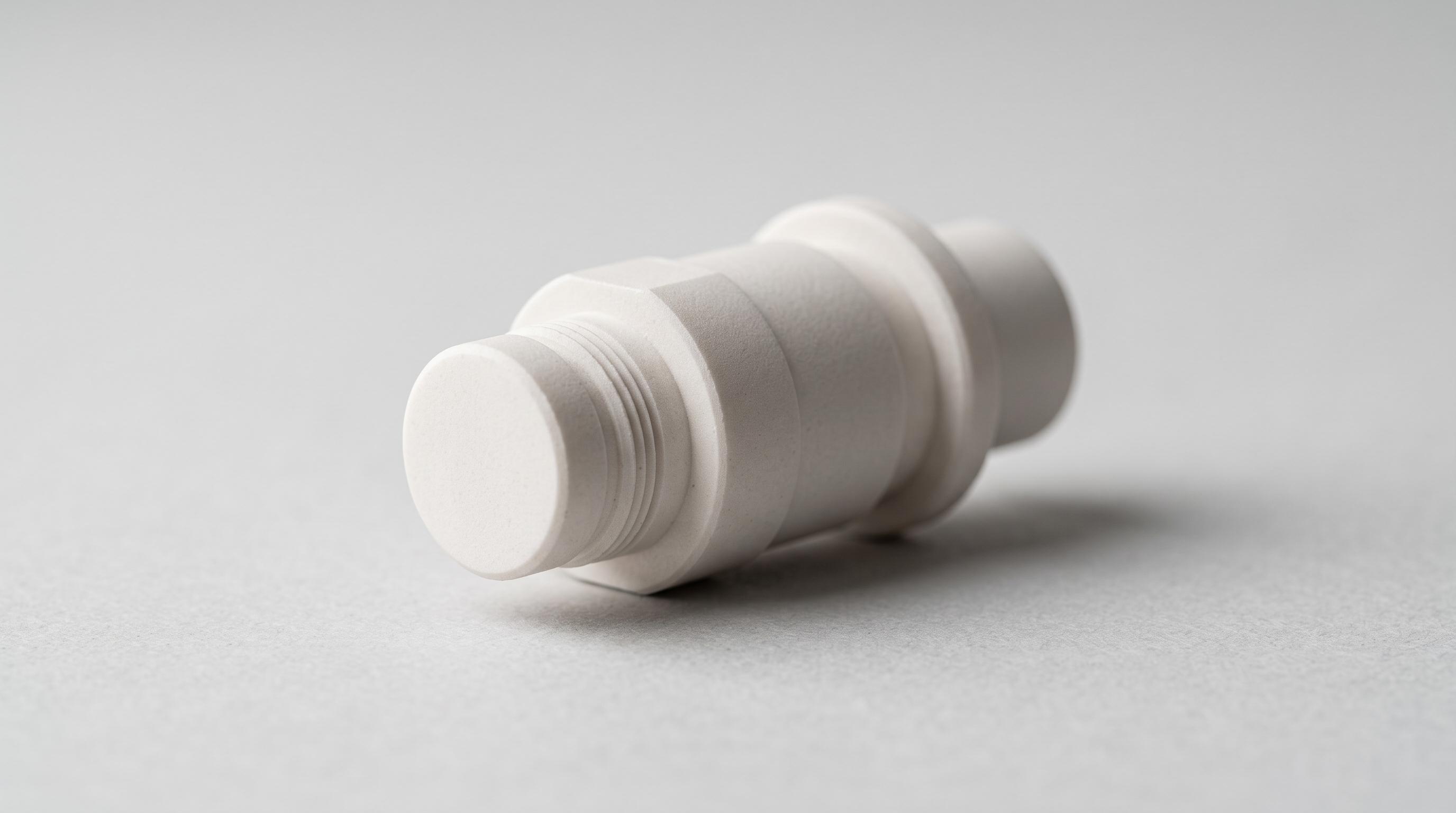
An alumina plug is a component made from alumina ceramic, a material primarily composed of aluminum oxide. It is valued for its hardness, heat resistance, chemical stability, and electrical insulating properties. Alumina plugs are used in different industrial and laboratory applications where ordinary materials may not perform well under demanding conditions. Depending on their design, they can help close openings, support components, control the movement of materials, or provide insulation in specialized equipment. The exact function of an alumina plug depends on its shape, dimensions, porosity, purity, and intended operating environment.
Industries often choose alumina ceramic components because they can maintain their useful properties in high-temperature environments and resist wear during regular operation. Understanding the characteristics and applications of an alumina plug helps buyers, engineers, laboratory technicians, and manufacturers select a suitable product for their specific requirements.
What Is an Alumina Plug?
An alumina plug is a specially shaped ceramic component manufactured using aluminum oxide. Alumina is one of the most widely used technical ceramics because it offers a combination of mechanical strength, thermal stability, and electrical insulation. The plug may be solid, porous, or designed with particular surface features depending on its intended purpose.
Solid alumina plugs may be used to close openings or provide a stable ceramic interface in equipment exposed to heat or chemicals. Porous designs can serve specialized functions where gas or liquid movement through the material is required. Some plugs are manufactured to fit closely inside ceramic tubes, laboratory apparatus, industrial systems, or other equipment.
The term alumina plug does not describe a single universal product. Different manufacturers may use it for different component designs. Therefore, understanding the application and checking the product specifications are essential before selecting a suitable plug.
How Is an Alumina Plug Manufactured?
The manufacturing process generally begins with carefully prepared alumina powder. The powder is selected according to the required purity, performance, and application. Manufacturers may combine it with suitable processing additives to improve shaping and production consistency.
The prepared material is then formed into the desired plug shape using an appropriate ceramic manufacturing technique. Depending on the design, this may involve pressing, extrusion, casting, or another forming method. The shaped component is dried when necessary and fired at high temperatures to develop its ceramic structure.
After firing, the plug may undergo grinding, polishing, machining, or dimensional inspection. These finishing processes help achieve the required fit, surface quality, and dimensional accuracy. Porous alumina plugs require a different approach from dense ceramic plugs because their pore structure must meet the intended flow or filtration requirements.
Manufacturing quality is important because defects, dimensional variations, and unsuitable material properties can affect the performance of the finished component.
Key Properties of Alumina Plug
High Temperature Resistance
Alumina ceramic can withstand high temperatures, making it useful in equipment exposed to substantial heat. Its thermal performance depends on the grade, purity, component design, and surrounding conditions. A properly selected alumina plug can maintain its function in applications where many plastic components would soften or lose their shape.
However, resistance to high temperatures does not mean that every alumina plug is suitable for every thermal environment. Rapid temperature changes can create thermal stress, so operating conditions should be considered carefully.
Excellent Hardness and Wear Resistance
Alumina is a hard ceramic material with good resistance to abrasion and surface wear. This characteristic can help an alumina plug retain its shape when used in demanding environments. It is particularly useful where repeated contact, friction, or exposure to abrasive particles could damage softer materials.
Although alumina is hard, it is also brittle compared with many metals. Excessive impact, improper installation, or uneven mechanical loading can cause cracking or breakage.
Chemical Resistance
Alumina generally provides good resistance to many chemicals, making it suitable for selected laboratory and industrial environments. Its chemical compatibility depends on the substance involved, its concentration, temperature, exposure duration, and the quality of the ceramic material.
Users should verify compatibility before placing an alumina plug in contact with aggressive chemicals. Strongly corrosive conditions may require additional evaluation rather than relying on the general chemical resistance of alumina.
Electrical Insulation
Alumina is widely used as an electrical insulating material because it has high electrical resistivity under suitable conditions. An alumina plug can therefore be useful in equipment where a ceramic component must separate conductive parts or provide electrical isolation.
Its performance depends on factors such as temperature, moisture, material purity, and the surrounding electrical conditions. The specific grade should match the insulation requirements of the application.
Dimensional Stability
Alumina ceramics can maintain their shape and mechanical properties under appropriate operating conditions. This makes them useful for precision components that require a stable fit. Proper manufacturing and finishing are important because even small dimensional differences can affect sealing, alignment, or assembly.
Common Applications of Alumina Plug
Industrial Equipment
Alumina plugs can be used in industrial equipment that requires ceramic components with good heat resistance, hardness, or electrical insulation. Their role may include closing designated openings, protecting sensitive areas, or providing a stable interface between different parts of an assembly.
The correct design depends on the equipment's operating temperature, mechanical loading, chemical exposure, and dimensional requirements. Industrial buyers should confirm that the selected plug is designed for the intended service.
Laboratory Equipment
Laboratories use specialized ceramic components when working with heat, chemical substances, or experimental equipment. An alumina plug may be incorporated into a suitable apparatus where its thermal stability and material properties are beneficial.
The precise function varies according to the laboratory setup. A plug intended for a particular instrument may not be interchangeable with a general ceramic stopper, so dimensions, compatibility, and manufacturer specifications should be checked before use.
High-Temperature Applications
Alumina ceramic components are useful in selected furnaces, thermal processing systems, and other equipment exposed to elevated temperatures. An alumina plug may help close or support designated sections of an assembly, depending on its design.
Users should consider thermal expansion, temperature fluctuations, and contact with surrounding materials. Even a heat-resistant ceramic can fail when exposed to unsuitable thermal gradients or mechanical stress.
Filtration and Fluid Handling
Porous alumina plugs may be designed for specialized filtration, gas movement, or liquid handling applications. Their performance depends on pore size, porosity, permeability, and compatibility with the fluid being processed.
Not every alumina plug is porous, and a dense ceramic plug should not be assumed to allow fluid to pass through it. Buyers should identify whether they need a solid component or a porous ceramic element before placing an order.
Electrical and Electronic Systems
Alumina's insulating properties make it useful in various electrical and electronic assemblies. A purpose-designed alumina plug may provide isolation or support where electrical performance and thermal stability are important.
The required voltage rating, geometry, material grade, and environmental conditions should be evaluated for the particular application. A general ceramic plug should not automatically be treated as a certified electrical safety component.
Benefits of Using an Alumina Plug
One important benefit of an alumina plug is its ability to combine heat resistance with hardness and electrical insulation. This combination can make it a practical choice for specialized equipment that operates under demanding conditions.
Another advantage is its resistance to wear. When correctly selected and installed, an alumina component can provide dependable service in environments where softer materials may deteriorate more quickly. Its chemical stability can also be beneficial in compatible laboratory and industrial applications.
Alumina plugs are available in different grades and designs, allowing manufacturers to create components for specific requirements. Dense ceramic designs can provide a solid barrier or insulating interface, while porous designs can support applications that require controlled movement of fluids or gases.
The main limitation is brittleness. Alumina may crack under impact, excessive pressure, or uneven loading. It can also be more difficult to machine than many conventional materials. For this reason, careful design, suitable handling, and correct installation are essential to achieving reliable performance.
How to Choose the Right Alumina Plug
Choosing the right alumina plug begins with identifying its intended function. Buyers should determine whether the component is required for closure, insulation, support, filtration, or another specialized purpose.
Material grade is another important consideration. Different alumina compositions may provide different levels of purity, strength, and performance. The required grade should be based on the operating environment rather than price alone.
Dimensions and tolerances must also match the equipment. A poorly fitting plug may not provide the required closure or alignment, while excessive installation force may damage the ceramic. If the application involves fluid movement, pore structure and permeability should be verified.
Temperature, chemical compatibility, electrical requirements, and mechanical loading should all be considered before making a final selection. Buyers should also review product documentation, quality specifications, and any relevant testing information provided by the manufacturer.
Proper Handling and Maintenance of Alumina Plug
Proper handling helps reduce the risk of ceramic damage. Alumina plugs should be protected from accidental drops, sharp impacts, and contact with hard surfaces that may chip their edges. During installation, force should be applied evenly and within the manufacturer's recommendations.
The component should be inspected for visible cracks, chips, or unusual wear before use. Damaged ceramic parts may fail unexpectedly, particularly when exposed to heat, pressure, or mechanical stress.
Cleaning procedures should be compatible with the alumina grade and the application. Although alumina is resistant to many chemicals, cleaning agents and operating substances should still be checked for compatibility. Abrasive cleaning methods should be avoided when they could damage critical surfaces or alter the dimensions of the component.
Routine inspection can help identify deterioration before it affects the surrounding equipment. Replacement should follow the manufacturer's guidance and the operational requirements of the system.
Alumina Plug Compared With Plastic and Metal Plugs
Alumina plugs differ from plastic and metal plugs in several important ways. Plastic plugs are often lightweight and easy to manufacture, but many plastics have limited temperature resistance and may soften or deform under heat. Alumina can perform better in suitable high-temperature environments, although it is more brittle.
Metal plugs generally provide greater resistance to impact and may be preferable when an application involves substantial mechanical loading. However, metals can conduct electricity and heat, and some alloys may corrode in particular chemical environments. Alumina provides electrical insulation and can offer good chemical resistance under compatible conditions.
There is no single material that is best for every application. The right choice depends on temperature, pressure, chemical exposure, electrical requirements, mechanical forces, installation conditions, and overall cost.
Factors That Affect Alumina Plug Performance
The performance of an alumina plug depends on several connected factors. Material purity and manufacturing quality influence its mechanical, thermal, and electrical characteristics. Dimensional accuracy affects how well the component fits into the equipment, while surface finish can influence sealing and contact between adjoining parts.
Operating conditions are equally important. Rapid heating or cooling can create thermal stress, and uneven pressure can cause cracking. Chemical exposure may also affect suitability, particularly in aggressive environments or at elevated temperatures.
Installation practices and routine inspection contribute to service life. Selecting a plug that matches the actual application is generally more effective than choosing a product based only on its material name.
Frequently Asked Questions About Alumina Plug
What Is an Alumina Plug Used For?
An alumina plug is used in selected industrial, laboratory, thermal, and electrical applications. Depending on its design, it may close an opening, provide electrical insulation, support a ceramic assembly, or allow controlled fluid movement when made with a suitable porous structure.
What Material Is an Alumina Plug Made From?
An alumina plug is primarily made from aluminum oxide ceramic. Its exact composition and performance depend on the material grade, purity, additives, and manufacturing process.
Can an Alumina Plug Withstand High Temperatures?
Alumina ceramic offers good high-temperature performance, but the maximum suitable operating temperature varies by grade, design, and operating conditions. The manufacturer's specifications should be checked before use.
Is an Alumina Plug Resistant to Chemicals?
Alumina resists many chemicals under suitable conditions. However, compatibility depends on the chemical, concentration, temperature, and exposure duration. Verification is recommended for demanding applications.
Is an Alumina Plug Suitable for Electrical Insulation?
Alumina is commonly used for electrical insulation. A particular plug is suitable only when its material properties, dimensions, and design meet the electrical requirements of the intended system.
What Is the Difference Between a Solid and Porous Alumina Plug?
A solid alumina plug is generally intended to provide a dense ceramic component, closure, or insulating interface. A porous alumina plug contains interconnected or controlled pores that may permit gas or liquid movement, depending on its design.
How Should an Alumina Plug Be Maintained?
An alumina plug should be handled carefully, inspected for cracks or chips, and cleaned using compatible methods. Correct installation and protection from excessive impact can help maintain its performance.
How Can I Select a Suitable Alumina Plug?
Selection should be based on the intended function, material grade, dimensions, temperature range, chemical exposure, mechanical loading, and any electrical or porosity requirements. Manufacturer documentation can help confirm suitability.
Conclusion
An alumina plug is a useful technical ceramic component for applications that require a combination of heat resistance, hardness, chemical stability, and electrical insulation. Depending on its design, it can serve different purposes in industrial equipment, laboratory systems, thermal processing, and specialized fluid-handling applications.
Selecting the right alumina plug requires more than identifying the material. Buyers and engineers should consider the component's shape, dimensions, grade, operating environment, and mechanical requirements. Proper installation, careful handling, and regular inspection can also help reduce the risk of damage.
By understanding the properties and limitations of alumina ceramic, users can make informed decisions and choose a plug that suits their equipment and performance requirements.

 English
 Arabic
 French
 Spanish
 Portuguese
 Deutsch
 Turkish
 Dutch
Dutch
 Italiano
 Romaian
 Portuguese (Brazil)
 Greek
Greek