
How Does Mounjaro Injection Affect Appetite and Food Cravings?
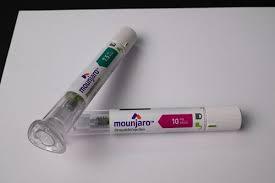
Managing appetite and frequent food cravings can be challenging for people trying to achieve or maintain a healthy weight. Even with balanced meals and regular physical activity, some individuals experience persistent hunger or difficulty controlling portion sizes. Mounjaro injection in Dubai has gained attention as a prescription medication that may support blood sugar management and weight reduction in eligible patients.
Understanding how Mounjaro affects appetite and food cravings can help people make informed decisions about treatment. However, its effects vary between individuals, and it should be used under the supervision of a qualified healthcare professional.
What Is Mounjaro Injection?
Mounjaro contains tirzepatide, a prescription medication that activates two hormone receptors: glucose-dependent insulinotropic polypeptide (GIP) and glucagon-like peptide-1 (GLP-1). These hormones play important roles in regulating blood glucose, digestion, and appetite.
Mounjaro helps the body respond to food intake by supporting glucose-dependent insulin release and influencing signals involved in hunger and fullness. It also slows stomach emptying, particularly during the initial stages of treatment.
Although Mounjaro is widely discussed for weight management, its approved uses depend on the country and applicable prescribing guidelines. A healthcare professional can determine whether it is appropriate for an individual's medical needs.
How Does Mounjaro Injection Affect Appetite?
Mounjaro may influence appetite through several interconnected processes. Its effects are not simply about eating less; they involve changes in how the body responds to food and regulates feelings of hunger.
1. It May Reduce Feelings of Hunger
Some people receiving tirzepatide report feeling hungry less frequently between meals. The medication influences hormonal pathways associated with appetite regulation, which may help reduce the urge to eat throughout the day.
As a result, certain individuals may find it easier to follow regular meal patterns without constantly thinking about their next snack. However, appetite reduction is not guaranteed, and the degree of change differs from person to person.
2. It Can Increase Feelings of Fullness
Mounjaro slows gastric emptying, meaning food may leave the stomach more slowly, particularly early in treatment. This can contribute to a longer-lasting feeling of fullness after eating.
Some patients notice that smaller portions satisfy them more quickly than before. This effect may help support reduced calorie intake, but eating enough nutritious food remains essential for maintaining overall health.
3. It May Influence Food Cravings
Food cravings can be influenced by biological signals, emotions, habits, sleep, and environmental factors. Mounjaro may affect appetite-related pathways in the brain, potentially reducing the intensity of some food-related urges.
Some individuals report less interest in frequent snacking or highly appealing foods. However, research into the medication's specific effects on different types of cravings is still developing. It should not be considered a guaranteed solution for emotional eating or compulsive eating patterns.
Does Mounjaro Change Eating Habits?
Changes in appetite may influence everyday eating habits. For example, a person may feel satisfied with a smaller meal, snack less frequently, or experience less urgency to eat between meals.
These changes can make balanced eating plans easier for some people to follow. Nevertheless, Mounjaro does not automatically create healthy habits. Patients still need to pay attention to food quality, hydration, physical activity, and consistent nutrition.
A balanced diet that includes protein sources, vegetables, fruits, whole grains, and healthy fats can help support nutritional needs during treatment. Patients experiencing persistent nausea or difficulty eating should discuss their symptoms with their healthcare provider.
How Long Does It Take to Notice Appetite Changes?
The timing of appetite changes varies. Some individuals notice differences during the first few weeks, while others experience gradual changes as treatment progresses.
Mounjaro is generally started at a low dose, with increases made according to prescribing guidance and individual tolerability. The initial dose is intended to help the body adjust rather than provide the full therapeutic effect.
Patients should not increase their dose independently to suppress hunger faster. Response to treatment depends on several factors, including the prescribed dose, individual biology, other medications, and existing health conditions.
Possible Side Effects That Can Affect Eating
Because Mounjaro influences digestion and appetite, some side effects may affect a person's ability or desire to eat. Commonly reported effects include:
-
Nausea
-
Diarrhea
-
Constipation
-
Vomiting
-
Abdominal discomfort
-
Reduced appetite
These effects may be more noticeable when starting treatment or increasing the dose. Eating smaller meals, avoiding excessively rich foods, and staying hydrated may help some people manage mild digestive symptoms.
However, persistent vomiting, severe abdominal pain, or signs of dehydration require prompt medical assessment. Mounjaro also carries important warnings and precautions, so patients should review their medical history and potential risks with a qualified prescriber before starting treatment.
Tips for Managing Appetite During Mounjaro Treatment
Patients can support their nutritional health by combining appropriate medical care with sustainable daily habits.
-
Choose balanced meals: Include protein, fiber-rich foods, and a variety of nutrients.
-
Eat according to your needs: Avoid skipping meals simply because your appetite has decreased.
-
Stay hydrated: Drink sufficient fluids throughout the day unless your clinician has advised otherwise.
-
Monitor symptoms: Record significant changes in appetite, digestion, or energy levels.
-
Maintain regular activity: Choose physical activity that suits your fitness level and medical circumstances.
-
Attend follow-up appointments: Discuss your progress, side effects, and concerns with your healthcare professional.
These habits can help patients maintain adequate nutrition while working toward realistic health goals.
Mounjaro Injection at Tajmeels Clinic in Dubai
At tajmeels clinic dubai, individuals interested in Mounjaro injection can discuss their weight management concerns and treatment expectations with a qualified healthcare professional. A personalized assessment should consider medical history, current medications, relevant health conditions, and previous weight management approaches.
The consultation can also provide an opportunity to discuss appetite changes, possible side effects, nutritional needs, and appropriate follow-up care. Not everyone is a suitable candidate for Mounjaro, and treatment decisions should be based on clinical assessment rather than the expectation of rapid weight loss.
Patients should receive clear guidance on prescribed dosing, safe medication use, and when to seek medical attention. Ongoing monitoring helps clinicians evaluate tolerability and determine whether the treatment plan remains appropriate.
Frequently Asked Questions
1. Does Mounjaro injection completely stop hunger?
No. Mounjaro may reduce hunger and increase fullness, but it does not eliminate appetite in everyone. Individual responses vary.
2. Can Mounjaro injection reduce sugar cravings?
Some people report changes in food cravings, but results vary. The medication is not guaranteed to eliminate cravings or emotional eating.
3. Will appetite return after stopping Mounjaro?
Appetite may increase after treatment stops, and some people regain weight. A healthcare professional can help plan ongoing weight management support.
4. Should I eat less if Mounjaro reduces my appetite?
Not necessarily. It is important to maintain adequate nutrition and avoid excessive restriction. Discuss persistent appetite loss or difficulty eating with your clinician.
Conclusion
Mounjaro injection may help regulate appetite, increase feelings of fullness, and reduce some food cravings by acting on GIP and GLP-1 hormone pathways. These effects may support weight management when treatment is appropriate and combined with sustainable lifestyle habits. However, results differ, and possible side effects must be considered.
Before starting Mounjaro injection in Dubai, consult a qualified healthcare professional to discuss suitability, potential benefits, risks, and monitoring. With an individualized treatment plan and appropriate medical supervision, patients can make more informed decisions about their weight management journey.
More Information
Tajmeels Clinic Dubai
WhatsApp: +971 56 203 8751
Phone: tel:+971 43739000
Social Media:

 English
 Arabic
 French
 Spanish
 Portuguese
 Deutsch
 Turkish
 Dutch
 Russian
 Romaian
 Portuguese (Brazil)
 Greek