
Female Hair Transplant in Dubai for Women With a Widening Part
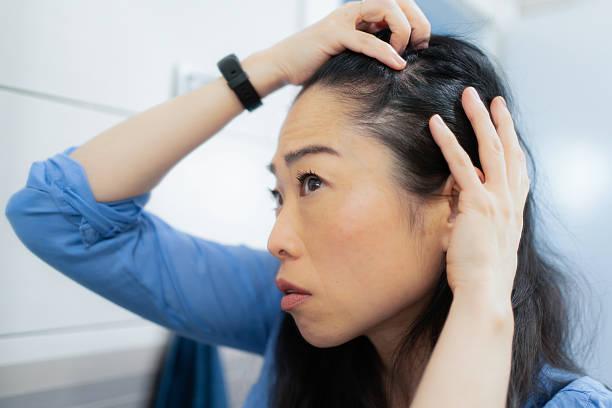
Female Hair Transplant in Dubai may be an option for selected women concerned about a widening part and reduced scalp coverage. However, a visible part does not automatically mean surgery is required. The pattern may reflect female pattern hair loss, temporary shedding, breakage, or another condition that needs to be identified before treatment planning begins.
At Tajmeels Clinic, an individualized consultation can help women understand their hair changes, assess donor hair, and explore suitable restoration options. The objective is to establish what is causing the reduced density and whether transplantation could provide a meaningful improvement.
Why the Hair Part May Become More Visible
A widening part can develop gradually as hair density decreases around the central scalp. Some women first notice the change when styling their hair, taking photographs from above, or standing under bright lighting.
Several factors may contribute to this appearance.
Female Pattern Hair Loss
Female pattern hair loss can cause gradual thinning across the central scalp. The part may become wider while the frontal hairline remains relatively intact. The progression and distribution vary between individuals.
A clinical assessment can help determine whether this pattern is present and whether medical management should be considered before surgery.
Temporary Hair Shedding
Temporary shedding may follow illness, childbirth, major physiological stress, or other triggers. When many hairs shed within a similar period, the scalp can become more visible.
The appropriate response depends on the cause and duration. Persistent or severe shedding warrants medical assessment rather than an immediate assumption that transplantation is needed.
Hair Breakage and Styling Practices
Repeated heat styling, chemical processing, and tension from hairstyles can contribute to breakage. This may make the part appear less dense even when the underlying follicles are still present.
The clinician may examine the hair shafts and scalp to distinguish breakage from follicular hair loss. Treatment should address the actual cause rather than focusing exclusively on the visible part.
When Female Hair Transplant in Dubai May Be Appropriate
A transplant moves follicles from a donor area to a recipient area. It does not create new follicles or stop every form of ongoing hair loss.
For women with a widening part, candidacy depends on the cause of thinning, the distribution of affected hair, the stability of the condition, and donor-area quality.
A clinician may consider surgery when the diagnosis is established, the hair loss pattern is appropriate, and sufficient suitable donor hair is available. Diffuse thinning across the entire scalp can make this decision more complex because the donor area may also be affected.
If the cause remains uncertain or hair loss is progressing rapidly, additional evaluation may be recommended before a surgical plan is considered.
Understanding Donor Hair Limitations
The donor region is commonly assessed around the back and sides of the scalp. Its density, hair characteristics, and long-term stability influence the amount of hair that may be available for transplantation.
Women with a widening part should understand that the recipient area can be relatively broad. Restoring density throughout a large region may require more donor hair than is available or may create unrealistic expectations.
The consultation should cover:
-
The density and condition of the donor area.
-
The extent of thinning around the part and crown.
-
Whether the donor region shows signs of miniaturization.
-
The coverage that may realistically be achieved.
-
The risk of further thinning in existing natural hair.
-
Whether non-surgical management should be considered first.
A responsible plan prioritizes long-term appearance and donor preservation instead of promising a particular density without a clinical assessment.
Can a Hair Transplant Close a Widening Part?
A transplant may improve coverage in selected areas, but it cannot guarantee that a visible part will disappear. The result depends on the size of the affected region, available grafts, hair thickness, curl, colour contrast with the scalp, and the survival of transplanted follicles.
The clinician should also consider how hair is usually parted and styled. A plan that focuses on one small area may not address thinning elsewhere, while attempting to cover the entire scalp may exceed the available donor supply.
Patients should discuss what level of improvement is realistic and whether additional management may be needed to preserve existing hair.
What Happens During the Consultation
An assessment begins with the history of hair changes. The clinician may ask when the part started widening, whether shedding has increased, and whether close relatives have experienced similar thinning.
The scalp and donor area can then be examined to assess the distribution and characteristics of the hair. Depending on the findings, further investigation may be recommended to evaluate medical contributors.
Bring details of current medications, supplements, previous treatments, and any relevant test results. Photographs showing changes over time may also help explain how the pattern has developed.
A treatment recommendation should include the reasoning behind the proposed approach, its potential benefits and limitations, and any alternatives worth considering.
Supporting Existing Hair During Treatment Planning
Protecting existing hair is important regardless of whether transplantation is eventually chosen.
Women may benefit from discussing appropriate scalp care, reducing unnecessary traction and breakage, and investigating possible nutritional or medical contributors. Any medication should be selected according to the diagnosis and individual health circumstances.
Avoid starting multiple supplements or treatments without understanding their purpose. More products do not necessarily produce better results, and some treatments may be unsuitable for particular patients.
Monitoring the hair over time can also help distinguish a stable pattern from ongoing progression.
Risks and Long-Term Expectations
Hair transplantation is a surgical procedure and can involve swelling, bleeding, infection, scarring, altered sensation, uneven growth, or dissatisfaction with the cosmetic result. Donor hair is limited, and some transplanted follicles may not produce the anticipated growth.
The appearance of the scalp may continue to change if natural hair loss progresses. A transplant does not automatically protect surrounding follicles, so long-term planning may be important.
Recovery and visible growth take time. The treating clinician should explain the expected timeline, aftercare requirements, and follow-up arrangements for the individual procedure.
Hair Restoration Consultations at Tajmeels Clinic
Tajmeels Clinic provides consultations for women exploring hair restoration options in Dubai. For a widening part, the focus should be on identifying the cause of reduced density, assessing donor hair, and discussing an approach that matches the patient's clinical needs.
Ask which qualified practitioner will evaluate your scalp, what treatment options are suitable, and how the proposed plan accounts for future changes in natural hair.
Learn more about Female Hair Transplant in Dubai or visit Tajmeels Clinic.
Frequently Asked Questions
Does a widening part always mean permanent hair loss?
No. A widening part can be associated with several causes, including temporary shedding and hair breakage. Assessment helps establish the likely explanation.
Can transplantation restore density along the part?
It may improve coverage in selected cases, depending on donor supply, the size of the affected area, and the underlying condition. A specific density cannot be guaranteed.
Should I treat female pattern hair loss before surgery?
The treatment plan depends on the diagnosis and progression. A clinician may recommend medical management or further evaluation before considering transplantation.
Will the hair part remain narrow permanently after a transplant?
Not necessarily. Natural hair loss may continue, and the final appearance depends on graft growth and the condition of surrounding hair over time.
Clinic note: A widening hair part is a symptom rather than a diagnosis. This article provides general information and does not determine whether surgery is appropriate for an individual.
Arrange a Hair Restoration Assessment
If your part appears wider or your scalp has become more visible, a personalized assessment can help you understand the cause and available options.

 English
 Arabic
 French
 Spanish
 Deutsch
 Turkish
 Dutch
 Italiano
 Russian
 Romaian
 Portuguese (Brazil)
 Greek