
Spider Veins Treatment in Dubai: Modern Solutions for Visible Veins
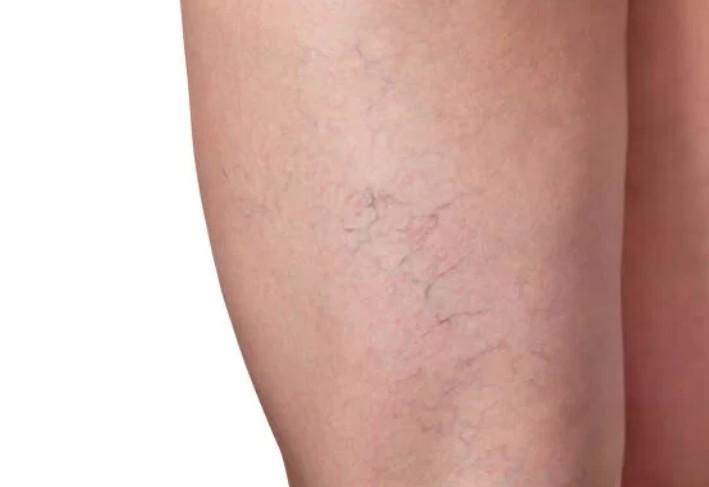
Spider veins are small, visible blood vessels that can appear close to the surface of the skin, commonly on the legs, thighs, and ankles. They often look like thin red, blue, or purple lines that form branching or web-like patterns. Although spider veins are common, some people prefer to reduce their visibility to achieve a smoother, more even-looking skin appearance.
Modern aesthetic and vein care offers several treatment options for addressing spider veins. Depending on the size, location, and characteristics of the affected vessels, these options may include sclerotherapy, selected laser treatments, and other specialized vein procedures. Choosing an appropriate approach begins with understanding the underlying cause of the visible veins and identifying the treatment most suitable for the individual.
For people considering Spider Veins Treatment In Dubai, learning about the available procedures, their potential benefits, and the factors that influence treatment planning can help them make informed decisions. At EV Clinic Dubai, individuals can discuss their vein concerns and explore suitable treatment options according to their needs and aesthetic goals.
What Are Spider Veins?
Understanding Visible Veins
Spider veins are small blood vessels that become visible beneath the skin. They may appear as individual lines or form clusters resembling a spider web or tree branches. Their color can range from light red to dark blue or purple, depending on the vessel and its location.
They commonly develop on the legs and may become more noticeable with age. Genetics, hormonal changes, prolonged standing, and other factors can contribute to their appearance.
Spider veins are different from larger varicose veins, which may be raised, enlarged, or twisted. Understanding this distinction helps determine which treatment options may be appropriate.
Why Do Spider Veins Develop?
Several factors may contribute to the development of spider veins.
- Genetics: A family history of visible veins may increase the likelihood of developing them.
- Aging: Changes in blood vessels and surrounding tissues can make superficial veins more noticeable over time.
- Hormonal changes: Hormonal fluctuations may influence the appearance of veins in some individuals.
- Prolonged standing or sitting: Spending long periods in one position can affect circulation in the legs.
- Pregnancy: Changes in blood volume and hormonal activity during pregnancy may contribute to visible veins.
- Lifestyle and circulation factors: Individual activity patterns and other health-related factors may influence vein appearance.
The cause can differ from one person to another. A professional assessment can help establish whether the visible vessels are primarily a cosmetic concern or may be associated with an underlying vein condition.
Why Consider Spider Veins Treatment In Dubai?
Improving the Appearance of the Skin
Spider veins can create noticeable patterns beneath the skin, particularly on the legs. For individuals who prefer a more uniform appearance, professional treatment may help reduce the visibility of suitable vessels.
The goal is to improve the appearance of the affected area while selecting an approach that matches the characteristics of the veins.
Exploring Modern Vein Treatment Options
Modern vein care includes several techniques designed to address visible blood vessels. The appropriate option depends on factors such as the size of the veins, their depth, their location, and whether underlying venous problems are present.
Sclerotherapy and selected laser procedures are among the options commonly considered for spider veins. A qualified healthcare professional can explain the differences between these approaches and help determine which may be suitable.
Personalized Treatment Planning
Every individual has a different pattern of visible veins. Some people have a few fine vessels, while others have extensive clusters across the thighs or lower legs.
A personalized consultation helps identify the treatment area, establish realistic expectations, and determine whether one or more sessions may be needed.
At EV Clinic Dubai, individuals can discuss their concerns and learn about available vein treatment approaches based on their particular needs.
Modern Treatment Options for Spider Veins
Sclerotherapy
Sclerotherapy is a commonly used treatment for spider veins and certain small varicose veins. It involves injecting a specialized solution into the targeted vessel using a fine needle.
The solution causes the vein's inner lining to react, encouraging the vessel to close. The body gradually processes the treated vein, which may become less visible over time.
Sclerotherapy is often considered for spider veins on the legs. The number of injections and sessions depends on the extent of the affected area and the characteristics of the vessels.
Laser Vein Treatment
Laser vein treatment uses focused light energy to target selected superficial blood vessels. The energy is absorbed by components within the blood, producing a controlled effect that can help the targeted vessel become less visible.
Certain laser systems may be suitable for smaller vessels or veins that are difficult to treat with injections. The choice depends on the vessel's size, color, location, and the specific device being used.
Laser treatment is not suitable for every type of visible vein. A professional assessment helps determine whether this approach is appropriate for the individual's concerns.
Intense Pulsed Light and Other Light-Based Treatments
Intense pulsed light, commonly called IPL, uses broad-spectrum pulses of light to target selected skin concerns. It may be considered for certain superficial vascular concerns, depending on the device and the treatment indication.
IPL is not interchangeable with a dedicated vascular laser, and its suitability for spider veins depends on the type and location of the vessels.
A qualified practitioner can explain whether a light-based treatment is appropriate or whether another vein-specific procedure may provide a better option.
Treatment for Underlying Venous Problems
Some visible veins may be associated with underlying venous reflux, a condition in which blood flows backward through affected veins because the valves do not function properly.
When larger varicose veins or symptoms suggest an underlying circulation problem, further assessment may be necessary. An ultrasound examination can help evaluate blood flow and guide treatment decisions.
Depending on the findings, treatment may involve a procedure designed to address the underlying vein problem rather than focusing exclusively on the visible superficial vessels.
How Does Spider Veins Treatment Work?
Step One: Initial Consultation
The process generally begins with a consultation to discuss the individual's concerns, medical history, and desired outcome.
The healthcare professional examines the visible veins and considers their size, distribution, and location. If there are signs of a more significant vein condition, additional assessment may be recommended.
This step helps determine whether the concern can be addressed with a cosmetic vein treatment or requires further investigation.
Step Two: Selecting the Appropriate Procedure
Once the veins have been assessed, the practitioner can explain suitable options.
Sclerotherapy may be appropriate for many small spider veins, while selected superficial vessels may be considered for laser treatment. Other procedures may be more appropriate if larger veins or underlying venous reflux are present.
The treatment recommendation should reflect the characteristics of the veins rather than relying on a single method for every patient.
Step Three: Preparing the Treatment Area
Preparation depends on the chosen procedure. The practitioner may clean the area, identify the target vessels, and explain what the patient should expect during treatment.
For sclerotherapy, the treatment area is prepared before the solution is injected into the selected veins. For laser treatment, the practitioner uses the appropriate equipment and settings for the targeted vessels and skin characteristics.
Step Four: Performing the Treatment
During sclerotherapy, a fine needle is used to inject the solution into the targeted vessels. During laser treatment, controlled light energy is directed toward the selected veins.
The duration of the appointment depends on the size of the treatment area, the number of vessels involved, and the technique being used.
The practitioner can provide a more accurate estimate after evaluating the individual treatment plan.
Step Five: Following Aftercare Instructions
Aftercare recommendations vary depending on the procedure. Patients may receive guidance about walking, compression garments, skin care, and when to resume their normal activities.
Following the specific instructions provided by the treating professional helps support recovery and allows the treatment response to be monitored appropriately.
Step Six: Reviewing the Results
Spider veins generally do not disappear immediately after treatment. Their visibility may decrease gradually as the body processes the treated vessels.
A follow-up appointment may be recommended to evaluate the outcome and determine whether additional treatment is appropriate. The timeline depends on the treatment method, the size of the vessels, and the individual's response.
Potential Benefits of Spider Veins Treatment
A Clearer-Looking Skin Appearance
One of the main reasons people seek spider vein treatment is to reduce the appearance of visible blood vessels.
When suitable veins respond to treatment, the affected area may appear more uniform. The degree of improvement depends on the number and characteristics of the vessels and the selected procedure.
Targeted Treatment for Visible Vessels
Procedures such as sclerotherapy allow a practitioner to focus on specific veins. Laser treatments can also target selected superficial vessels according to the equipment and treatment indication.
This targeted approach helps tailor the treatment plan to the individual's vein pattern and aesthetic concerns.
A Minimally Invasive Approach
Many spider vein treatments do not require major surgery. Sclerotherapy generally involves injections, while selected laser procedures use light energy directed toward the vessels.
The method chosen determines the appointment process, aftercare requirements, and expected recovery.
A Personalized Treatment Schedule
Some people have a limited number of visible vessels, while others have more extensive spider vein patterns. Treatment schedules can therefore vary.
A personalized plan helps determine how many appointments may be appropriate and when progress should be reviewed.
Improved Confidence in Everyday Activities
Visible veins may affect how comfortable individuals feel wearing shorts, skirts, swimwear, or other clothing that exposes the legs.
For people who are concerned about their appearance, reducing the visibility of selected vessels may help them feel more comfortable with their skin.
The extent of improvement varies, and realistic expectations should be established before treatment.
Who May Be Suitable for Spider Veins Treatment?
People With Small, Visible Veins
Adults with superficial spider veins may be candidates for treatment if the vessels are appropriate for the selected procedure.
The practitioner assesses the size, location, and pattern of the veins before recommending sclerotherapy, laser treatment, or another suitable option.
Individuals With Spider Veins on Their Legs
The legs are among the most common areas affected by spider veins. Treatment may be considered for visible vessels on the thighs, calves, and ankles.
The appropriate method depends on the type of vessels and whether there are signs of underlying venous problems.
People Seeking Cosmetic Improvement
Individuals who want to reduce the visibility of spider veins for aesthetic reasons may explore professional treatment.
An initial consultation can help clarify what improvement is realistic and whether the selected procedure is suitable for their skin and vein characteristics.
People Who Need Further Vein Assessment
Some individuals have visible veins alongside symptoms such as leg swelling, persistent discomfort, skin changes, or prominent varicose veins.
In these situations, it is important to assess the underlying circulation rather than treating the appearance of the vessels alone. A healthcare professional can determine whether additional investigations are appropriate.
Spider Veins Treatment Cost In Dubai
Factors That Influence Treatment Pricing
The Spider Veins Treatment Cost In Dubai can vary depending on the procedure, the treatment area, and the extent of the visible veins.
There is no single price that applies to every patient because the number and characteristics of the vessels differ.
Several factors may influence the total cost:
- Treatment method: Sclerotherapy, laser procedures, and other vein treatments may have different pricing structures.
- Number of veins: A small cluster of spider veins may require a different amount of treatment than a larger affected area.
- Size of the treatment area: Treating multiple areas may increase the overall cost.
- Number of sessions: Some patients may require several appointments to achieve their desired improvement.
- Consultation and diagnostic assessments: Additional assessments, including ultrasound when indicated, may affect the total expense.
- Follow-up care: The quoted price may or may not include follow-up appointments or other services.
Understanding these factors can help patients evaluate the full cost of their treatment plan.
How to Obtain an Accurate Cost Estimate
The most reliable way to determine the Spider Veins Treatment Cost In Dubai is to request a personalized quotation after a professional assessment.
At EV Clinic Dubai, prospective patients can ask about the available treatment options, the proposed number of sessions, and what is included in the quoted price.
It is helpful to clarify whether the price includes the consultation, procedure, follow-up appointments, and any recommended compression garments. These details provide a clearer picture of the total expected expense.
Comparing Treatment Value
When comparing treatment options, cost is only one consideration. Patients should also understand the procedure being offered, the practitioner's qualifications, the evidence supporting the treatment, and the expected outcome.
A clear treatment plan can help individuals assess whether the recommended procedure aligns with their needs and expectations.
Sclerotherapy Versus Laser Treatment for Spider Veins
Differences in Treatment Methods
Sclerotherapy uses an injected solution to close selected veins, whereas laser treatment uses focused light energy to target particular blood vessels.
Sclerotherapy is frequently used for spider veins on the legs. Laser treatment may be suitable for certain superficial vessels, including some that are difficult to access with injections.
The most appropriate choice depends on the characteristics of the veins and the practitioner's assessment.
Differences in Treatment Sessions
The number of sessions required can vary with either approach. Some patients may need one appointment, while others require multiple sessions to address different areas or evaluate the treatment response.
The practitioner should explain the expected schedule and the time needed for the treated vessels to become less visible.
Choosing the Most Suitable Option
Neither treatment is automatically better for every person. Sclerotherapy may be preferred for some veins, while laser treatment may be more appropriate for others.
A professional assessment helps establish which procedure is likely to be suitable for the particular vessels being treated.
How to Prepare for Spider Veins Treatment
Discuss Your Medical History
Before treatment, provide relevant information about your medical history, current medications, allergies, previous vein procedures, and any history of circulation-related conditions.
This information helps the practitioner assess suitability and select an appropriate treatment approach.
Follow Pre-Treatment Instructions
The clinic may provide specific instructions about skin care, clothing, and preparation for the appointment.
Follow the guidance provided by the treating professional, and do not stop prescribed medication unless your healthcare provider advises you to do so.
Wear Comfortable Clothing
Comfortable clothing can make the appointment easier, particularly when the treatment area is on the legs.
Depending on the procedure, the practitioner may recommend clothing that allows convenient access to the affected area.
Understand the Expected Outcome
Before treatment, ask which veins will be targeted, how many sessions may be needed, and how long it may take for the results to become visible.
Understanding these details can help establish realistic expectations and make it easier to follow the treatment plan.
Maintaining Results After Spider Veins Treatment
Follow the Recommended Aftercare Plan
Aftercare depends on the procedure performed. The practitioner may provide guidance about walking, compression garments, physical activity, and skin care.
Follow the recommendations specific to your treatment rather than relying on general advice that may not apply to your situation.
Stay Physically Active
Regular movement, including walking, supports general circulation and overall health. People who spend long periods sitting or standing may benefit from taking movement breaks throughout the day.
Activity recommendations immediately after a procedure should follow the treating professional's instructions.
Maintain Healthy Circulation Habits
Changing positions regularly, avoiding prolonged inactivity, and following appropriate exercise habits can support general leg health.
These measures cannot guarantee that spider veins will not develop again, but they may form part of a broader approach to maintaining circulation and well-being.
Understand That New Veins May Develop
Treatment addresses the vessels selected during the procedure, but it does not eliminate every factor that contributes to spider veins.
New visible vessels may appear over time because of genetics, aging, hormonal changes, or underlying vein conditions. Additional treatment may be considered if new concerns develop.
Choosing a Provider for Spider Veins Treatment in Dubai
Look for Qualified Medical Professionals
Spider vein procedures should be performed by appropriately qualified healthcare professionals with relevant training and experience.
Ask about the practitioner's qualifications, experience with the proposed treatment method, and approach to assessing visible veins.
Ask About the Recommended Procedure
A consultation should explain the type of veins being treated, why a particular procedure has been recommended, and whether alternative options are available.
Patients should understand the treatment process, expected results, aftercare requirements, and likely number of sessions before making a decision.
Prioritize Individualized Care
A personalized approach is important because spider veins can vary considerably in size, distribution, and underlying cause.
At EV Clinic Dubai, individuals can discuss their vein-related concerns and ask about available treatment options based on their goals and clinical needs.
Why Consider EV Clinic Dubai for Spider Veins Treatment?
Choosing a vein treatment involves more than identifying a procedure that promises to reduce visible vessels. It also requires understanding the underlying concern, assessing suitable options, and establishing realistic expectations.
At EV Clinic Dubai, patients can discuss the appearance of their spider veins and ask about appropriate treatment approaches, including the differences between injection-based and light-based procedures.
Before proceeding, it is useful to ask about the proposed technique, the estimated number of sessions, the expected timeline for improvement, and the complete treatment cost.
Clear information helps patients compare their options and make decisions that align with their individual needs.
Frequently Asked Questions About Spider Veins Treatment in Dubai
What Is the Most Common Treatment for Spider Veins?
Sclerotherapy is a commonly used treatment for spider veins, particularly on the legs. Selected superficial vessels may also be suitable for laser treatment. The best option depends on the size, location, and characteristics of the veins.
How Long Does Spider Veins Treatment Take?
The duration depends on the procedure and the number of veins being treated. Many appointments are relatively short, but a practitioner can provide a more accurate estimate after assessing the affected area.
When Will Spider Veins Start to Fade After Treatment?
Treated veins generally fade gradually rather than disappearing immediately. The timeline varies according to the treatment method, the size of the vessels, and the individual's response. Follow-up sessions may be recommended when additional improvement is needed.
How Much Does Spider Veins Treatment Cost In Dubai?
The Spider Veins Treatment Cost In Dubai depends on the treatment method, the size of the affected area, the number of vessels, and the number of sessions required. A personalized consultation is the best way to obtain an accurate estimate.
Can Laser Treatment Remove All Spider Veins?
No single method is suitable for every spider vein. Laser treatment may be appropriate for certain superficial vessels, while sclerotherapy may be preferred for others. A professional assessment helps determine the most suitable option.
Can Spider Veins Return After Treatment?
Treated veins may become less visible, but new spider veins can develop over time. Factors such as genetics, aging, hormonal changes, and underlying venous conditions may influence future vein appearance.
Is Sclerotherapy Suitable for Everyone?
No. Suitability depends on the individual's medical history, the type of veins involved, and other clinical considerations. A qualified healthcare professional can determine whether sclerotherapy is appropriate or whether another approach is preferable.
How Can I Find Out Which Treatment Is Right for Me?
A consultation with a qualified healthcare professional can help identify the type of veins involved and establish suitable treatment options. The practitioner can explain the expected results, number of sessions, and estimated cost according to your individual needs.
Conclusion
Spider veins are a common concern that can affect the appearance of the legs and other areas of the body. Modern vein treatments, including sclerotherapy and selected laser procedures, offer options for reducing the visibility of suitable superficial vessels.
For individuals exploring Spider Veins Treatment In Dubai, understanding the differences between treatment methods, obtaining a professional assessment, and establishing realistic expectations are important steps toward choosing an appropriate approach.
The Spider Veins Treatment Cost In Dubai depends on the procedure, treatment area, and number of sessions required. Contact EV Clinic Dubai to discuss your concerns, learn about available vein treatment options, and request a personalized treatment estimate.

 English
 Arabic
 French
 Spanish
 Portuguese
 Deutsch
 Turkish
 Dutch
 Italiano
 Russian
 Portuguese (Brazil)
 Greek