
Buccal Fat Removal in Dubai: Sleeping After Surgery
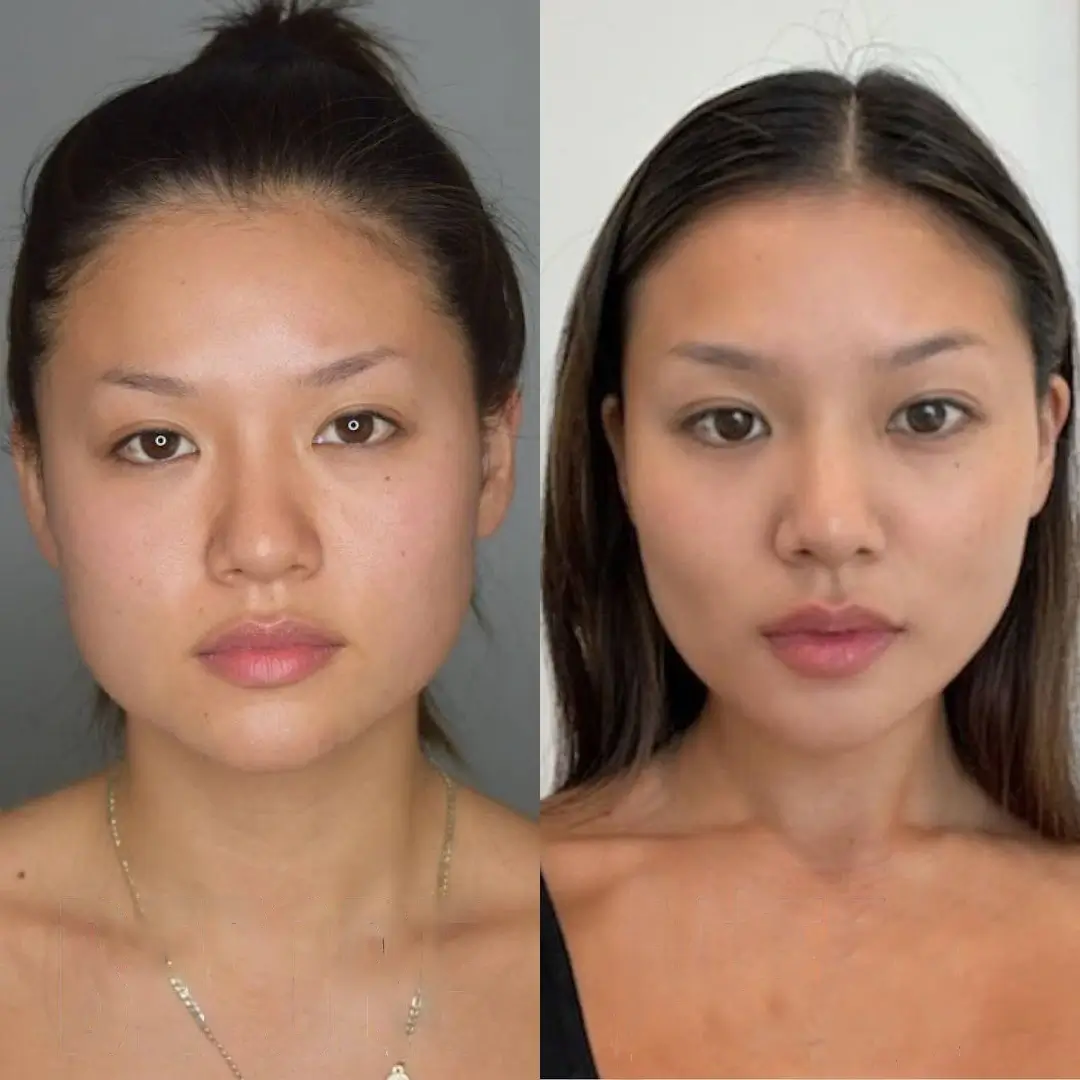
Getting comfortable sleep after buccal fat removal can be challenging during the first few nights, but the right sleeping position can make recovery easier. Because buccal fat removal involves removing fat pads from inside the cheeks, temporary swelling, tenderness, and tightness are common after surgery. Sleeping correctly can help protect the treated areas and prevent unnecessary pressure on the face.
Patients considering Buccal fat removal Dubai should discuss sleeping positions and postoperative care before their procedure. At Perfect Doctors Clinic, recovery instructions can be tailored to the patient's procedure and individual needs. Following your surgeon's directions regarding sleep, diet, oral hygiene, medications, and physical activity is important throughout recovery.
Sleeping Comfortably After Buccal Fat Removal in Dubai
During the initial recovery period after Buccal fat removal in dubai, patients are commonly advised to sleep on their backs with their heads elevated. Elevation can help manage postoperative swelling while preventing direct pressure on the cheeks.
Using two or more pillows or a wedge pillow may make it easier to maintain an elevated position. The goal is to keep the head comfortably above the level of the chest without placing excessive strain on the neck.
People who normally sleep on their stomach or side may find this adjustment difficult initially. However, avoiding pressure against the cheeks is particularly important while the surgical areas are sensitive. The Best doctors in dubai can provide specific instructions about how long a patient should maintain an elevated sleeping position.
Why Your Sleeping Position Matters During Recovery
Sleeping positions can affect comfort during the early stages of recovery. Side sleeping places one cheek against the pillow, while stomach sleeping can place even greater pressure on the face.
Back sleeping helps keep pressure distributed away from the treated cheeks. It may also reduce the chance of accidentally rubbing the surgical area while asleep.
Patients choosing a reputable buccal fat removal clinic in dubai should receive detailed aftercare instructions explaining sleeping positions, oral care, activity restrictions, and signs that require medical attention.
A comfortable recovery environment can also help. Keep essential items such as water, prescribed medications, tissues, and your phone close to the bed so you do not have to repeatedly get up during the night.
How to Keep Your Head Elevated While Sleeping
Maintaining head elevation does not necessarily mean sleeping almost upright. The position should remain comfortable enough for restful sleep.
A wedge pillow can provide consistent elevation and may be more stable than stacking several regular pillows. Alternatively, patients can place two supportive pillows behind their upper back and head.
Pillows placed along both sides of the body may also help prevent accidental rolling during sleep.
A travel neck pillow can provide additional support for some patients, particularly those who frequently change positions while sleeping.
If elevation causes neck or back pain, speak with the surgical team rather than continuing in an uncomfortable position.
How Long Should You Sleep on Your Back?
There is no single timeline that applies to every patient. Swelling, healing speed, surgical technique, and individual medical factors can affect how long special sleeping arrangements are necessary.
Many patients are instructed to sleep elevated during the early recovery period and continue avoiding direct cheek pressure until their surgeon considers it appropriate.
Patients treated by professionals regarded among the Best buccal fat removal surgeons in Dubai should follow their surgeon's personalized timeline instead of relying solely on general online recommendations.
Even if swelling appears to decrease quickly, internal tissues are still healing. Returning to side or stomach sleeping too soon may cause unnecessary discomfort.
Nighttime Habits to Avoid After Buccal Fat Removal
Good sleeping posture is only one part of nighttime recovery. Several habits should also be avoided.
Do not press, massage, or repeatedly touch the cheeks unless specifically instructed to do so. Avoid sleeping directly on the treated side during the early recovery period.
Alcohol should generally be avoided while taking medications that interact with it and according to your surgeon's recovery instructions. Smoking and vaping can negatively affect healing and should also be avoided.
Before bedtime, follow the prescribed oral hygiene routine carefully. Because buccal fat removal incisions are generally located inside the mouth, keeping the mouth clean is particularly important.
Managing Swelling Before Going to Bed
Swelling is expected after buccal fat removal and may be more noticeable during the first several days. Following the surgeon's recommendations can help make the recovery period more manageable.
If your surgeon approves cold therapy, apply it exactly as directed and avoid placing excessive pressure on the cheeks. Do not place ice directly against the skin.
Eating appropriate foods, drinking enough water, avoiding strenuous exercise, and taking prescribed medications as instructed can also support overall recovery.
Patients should remember that swelling does not disappear overnight. Facial contours typically become clearer as healing progresses.
Understanding Buccal Fat Removal Cost in Dubai Along With Aftercare
The Buccal fat removal Cost in dubai can depend on the surgeon's expertise, clinic facilities, anesthesia requirements, complexity of the procedure, and postoperative services included.
The estimated Buccal fat removal cost in Dubai is AED 8,000 to AED 14,000. This range is approximate, and patients should obtain a personalized quotation during their consultation.
Price should not be the only consideration when selecting a provider. Patients should also consider surgeon qualifications, clinic standards, preoperative assessment, postoperative follow-ups, and the quality of recovery guidance.
At Perfect Doctors Clinic, patients can discuss their cosmetic goals as well as practical recovery questions, including sleeping positions, swelling management, diet, and when normal activities can be resumed.
Choosing the Best Plastic Surgeon in Dubai for Safe Aftercare
Finding the Best Plastic Surgeon in Dubai for your needs means considering both surgical expertise and the quality of postoperative support. Buccal fat removal changes the volume and contours of the cheeks, so careful patient assessment and realistic treatment planning are important.
A qualified surgeon should explain expected results, possible risks, recovery milestones, and appropriate sleeping positions before the procedure.
Patients researching cosmetic procedures may also come across promotional terms such as dr perfect celebrity. Regardless of branding or online visibility, patients should verify the surgeon's professional credentials, licensing, relevant experience, and approach to patient safety.
Clear postoperative communication is valuable because patients should know whom to contact if they experience unexpected symptoms during recovery.
Tips for Getting Better Sleep After Surgery
Creating a comfortable sleep environment can make the first few nights easier. Prepare your sleeping area before surgery so everything is ready when you return home.
Keep the room comfortably cool and minimize unnecessary light or noise. Arrange pillows beforehand to support your head and prevent rolling onto your side.
Follow your medication schedule exactly as prescribed rather than changing doses simply to help you sleep. If discomfort consistently prevents sleep, contact your surgical team for guidance.
Try to maintain a regular bedtime routine while allowing yourself additional rest. Recovery requires energy, and good-quality sleep supports the body's normal healing processes.
When Should You Contact Your Surgeon?
Some swelling, tenderness, and discomfort can be expected after buccal fat removal. However, certain symptoms deserve prompt medical attention.
Contact your surgical team if you experience rapidly increasing or severe swelling, persistent bleeding, fever, unusual discharge, worsening pain, breathing difficulties, or another symptom your surgeon has identified as a warning sign.
If one cheek suddenly becomes significantly more swollen than the other, particularly when accompanied by increasing pain or other concerning symptoms, seek professional medical advice promptly.
Never rely solely on home remedies when symptoms appear unusual or severe.
Frequently Asked Questions
1. What happens if I accidentally sleep on my side after buccal fat removal?
Accidentally turning onto your side once does not necessarily mean you have damaged the surgical result. Return to the recommended position and monitor for unusual pain or swelling. Contact your surgeon if you notice concerning changes.
2. Can I sleep in a recliner after buccal fat removal?
A recliner may help some patients maintain an elevated position and avoid rolling onto their cheeks. However, it should provide comfortable neck and back support, and your surgeon's instructions should take priority.
3. Should I use a soft or firm pillow during recovery?
A supportive pillow that comfortably maintains your recommended position is usually preferable. A wedge pillow can be particularly useful for maintaining consistent elevation without stacking multiple pillows.
4. Can I take sleeping pills after buccal fat removal surgery?
Do not start sleeping medication without consulting your surgeon or prescribing healthcare professional. Some medications can interact with pain medicines, sedatives, or other drugs used around surgery.
5. When can I sleep completely flat again after buccal fat removal?
The appropriate time varies according to swelling and individual healing. Your surgeon can advise when head elevation is no longer necessary and when you can safely return to your normal sleeping position.
Conclusion
Sleeping properly after buccal fat removal can make the early recovery period more comfortable and help patients avoid unnecessary pressure on healing cheeks. Back sleeping, appropriate head elevation, supportive pillows, good oral hygiene, and following postoperative instructions are important considerations during recovery.
Every patient's healing timeline is different, so personalized instructions from the surgical team should always take priority over general recommendations. With careful sleeping habits, adequate rest, and appropriate follow-up care, patients can support the healing process while waiting for swelling to settle and their new facial contours to become more visible.

 English
 Arabic
 French
 Spanish
 Portuguese
 Deutsch
 Dutch
 Italiano
 Russian
 Romaian
 Portuguese (Brazil)
 Greek