
When a Small Roof Leak Becomes a Major Ceiling Problem: Mold Remediation Los Angeles After Seasonal Rain
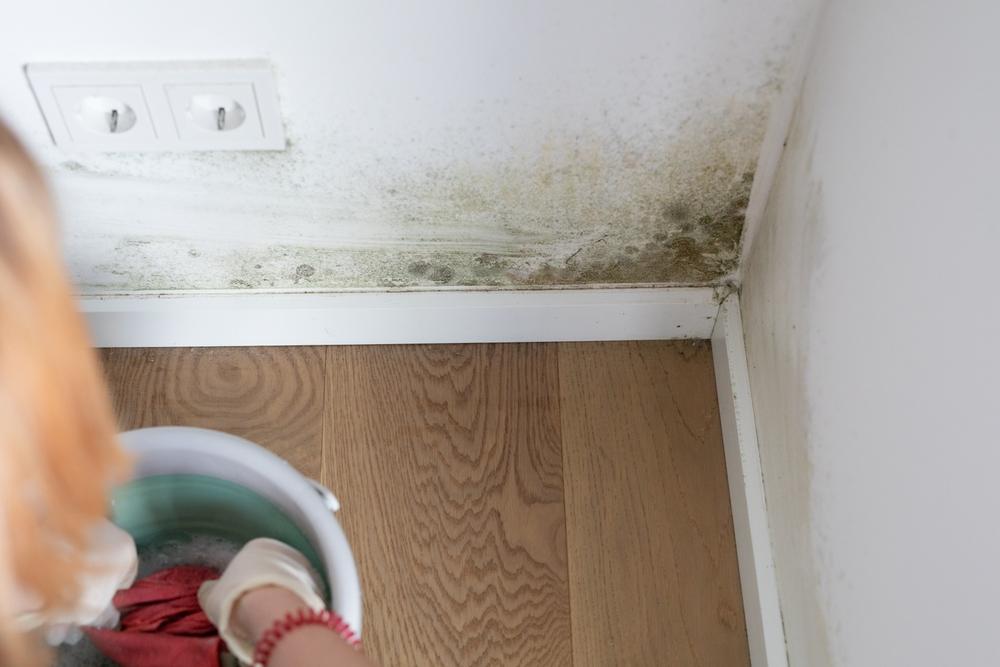
Quick Summary:
A small roof leak can cause hidden moisture damage, weaken ceiling materials, and encourage mold growth after seasonal rain. Acting quickly, identifying the source of water, drying affected materials, and arranging professional mold remediation los angeles services when needed can help protect your property and prevent costly repairs.
Introduction
A roof leak rarely looks dangerous at first. You may notice a small brown spot, a faint water stain, or a slight change in the paint above your living room. However, water can travel along roof framing, insulation, and ceiling materials before becoming visible. By the time a stain appears, moisture may already have spread beyond the original leak.
For property owners seeking mold remediation los angeles, understanding this process is essential, especially after seasonal rain exposes weak roof seals, damaged shingles, clogged drains, or worn flashing.
The real concern is not simply the water entering the building. It is how long moisture remains trapped inside the structure. Damp drywall, wood, and insulation can support mold growth when they are not dried promptly. A small repair left unattended can therefore develop into a larger problem involving ceiling replacement, insulation removal, and professional cleanup.
Warning Signs That Your Ceiling Needs Immediate Attention
Not every roof leak produces dramatic damage. Some develop slowly, allowing moisture to collect behind paint, plaster, or insulation. Recognizing early warning signs can help property owners arrange mold remediation los angeles before the damage spreads.
Watch for these common indicators:
-
Brown or yellow ceiling stains: Discoloration often indicates previous or ongoing water intrusion.
-
Bubbling paint: Trapped moisture can cause paint to blister, peel, or separate from the ceiling.
-
Musty odors: A persistent earthy smell may indicate damp materials or concealed mold growth.
-
Soft or sagging drywall: Water can weaken ceiling materials, creating a potential collapse hazard.
-
Recurring mold spots: Mold that returns after surface cleaning may indicate an unresolved moisture source.
If your ceiling is sagging, avoid standing underneath it or attempting to puncture it. Keep others away and arrange a professional assessment.
Why Seasonal Rain Creates Mold Risks in Los Angeles
Los Angeles properties experience varying weather conditions, and seasonal rain can expose roof weaknesses that remain unnoticed during dry periods. Aging roofing materials, damaged flashing, blocked drainage systems, and poorly sealed roof penetrations may allow water to enter.
Once indoors, moisture can remain trapped in ceiling cavities, particularly where insulation restricts airflow. Mold can begin growing within 24 to 48 hours under suitable conditions, according to widely cited guidance from the Environmental Protection Agency (EPA). This is why prompt drying matters after water intrusion.
Professional mold remediation los angeles services can help identify affected materials, contain contamination, and address moisture-related damage. However, remediation alone will not prevent a recurrence if the roof leak remains unrepaired.
What Professional Mold Remediation Involves
Effective restoration requires more than wiping away visible mold or applying a cleaning product. The process should address both the affected materials and the conditions that allowed mold to grow.
A professional restoration process generally includes the following steps.
1. Inspection and moisture assessment
Professionals examine visible damage, investigate likely water pathways, and use suitable moisture-measuring equipment to assess affected building materials.
2. Containment and protection
Where appropriate, affected areas are isolated to limit the spread of dust and mold particles during removal. Workers also use suitable protective equipment.
3. Removal of damaged materials
Porous materials such as mold-contaminated drywall or insulation may require removal when they cannot be adequately cleaned and dried. Sound structural materials may be salvageable, depending on the extent of damage.
4. Cleaning and drying
Professionals clean suitable surfaces and use appropriate drying equipment to reduce residual moisture. The area should be assessed before repairs conceal the affected space.
5. Repair and reconstruction
Once the moisture problem has been corrected and affected materials are ready, damaged ceilings, insulation, and finishes can be repaired or replaced.
For property owners considering mold remediation los angeles, 247 Pro Restoration offers mold removal, water damage restoration, and reconstruction services. Its published restoration process includes assessment, mitigation, and restoration.
How Property Owners Can Prevent Future Ceiling Damage
Prevention begins before the next rainstorm. A few practical steps can reduce the likelihood of another expensive repair.
-
Schedule roof inspections, especially after severe weather or when roofing materials show signs of age.
-
Keep gutters and roof drainage systems clear of debris.
-
Repair damaged flashing, cracked seals, and loose roofing materials promptly.
-
Inspect ceilings and attic spaces for dampness after heavy rain.
-
Address plumbing leaks and roof leaks as soon as they are discovered.
-
Avoid painting over water stains or visible mold before identifying and correcting the underlying problem.
If water enters your home, document the damage with photographs and contact your insurer when appropriate. Avoid disturbing suspected mold, and seek professional help when the affected area is extensive, hidden, or associated with significant water damage.
Timely mold remediation los angeles can help limit the extent of restoration work, but no contractor can guarantee that mold will never return. Long-term prevention depends on controlling moisture and maintaining the building envelope.
Protect Your Property Before a Small Leak Becomes a Major Repair
A small roof leak can create a much larger problem when moisture remains hidden inside a ceiling. Stains, peeling paint, musty odors, and recurring mold should never be dismissed simply because the visible damage appears minor.
The most effective response combines roof repairs, careful moisture assessment, appropriate material removal, and thorough drying. Professional mold remediation los angeles may be necessary when mold has spread beyond a small, manageable area or when contamination affects concealed building materials.
If seasonal rain has left your ceiling damp or damaged, addressing the problem early can help protect your property, reduce avoidable repair costs, and support a safer indoor environment.

 English
 Arabic
 French
 Spanish
 Portuguese
 Deutsch
 Turkish
 Dutch
 Italiano
 Russian
 Romaian
 Portuguese (Brazil)