
Is Laser Tattoo Removal Suitable for Every Tattoo?
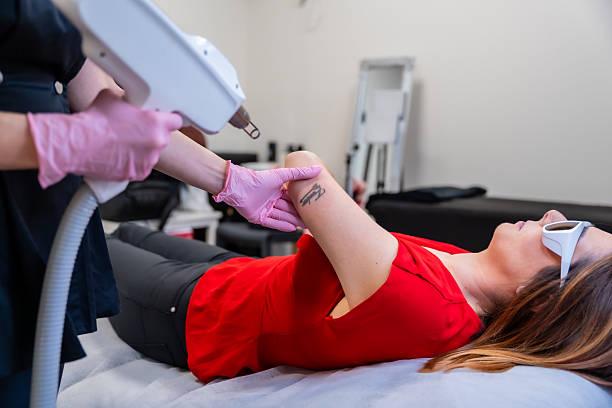
Tattoos can represent personal memories, artistic expression, or important life experiences, but preferences may change over time. tattoo removal riyadh is a widely used option for people who want to fade or remove unwanted ink. However, not every tattoo responds equally to laser treatment. Factors such as ink color, pigment depth, tattoo age, skin tone, and previous treatments influence the results. Understanding these factors can help you determine whether laser tattoo removal may be suitable for your needs.
How Laser Tattoo Removal Works
Laser tattoo removal uses concentrated pulses of light energy to target ink particles beneath the skin. The laser breaks the pigment into smaller fragments, which the body's immune system gradually processes and clears over time.
The Role of Laser Wavelengths
Different tattoo pigments absorb different wavelengths of light. Practitioners select laser technology and settings according to the colors being treated and the individual's skin characteristics. Some lasers are particularly useful for dark pigments, while other wavelengths may be needed for specific colors.
Why Multiple Sessions Are Usually Required
Laser treatment generally requires several sessions because the ink fades gradually rather than disappearing immediately. The skin also needs time to heal between appointments. The number of sessions varies according to the tattoo's characteristics and the body's response to treatment. Complete removal cannot be guaranteed.
Which Types of Tattoos Respond Best to Laser Treatment?
Although many tattoos can be treated successfully, some respond more readily than others.
Black and Dark-Colored Tattoos
Black ink and some dark pigments often respond well because they absorb laser energy effectively at suitable wavelengths. However, results still depend on ink density, depth, tattoo size, and other individual factors.
Older Tattoos
Older tattoos may sometimes be easier to fade because some pigment has already dispersed or been gradually processed by the body. Nevertheless, tattoo age alone does not determine treatment success. An older tattoo with dense or resistant ink may still require multiple sessions.
Amateur and Professional Tattoos
Amateur tattoos may contain less ink or pigment distributed at varying depths, which can sometimes make removal more straightforward. Professional tattoos often contain denser, more uniform pigment. These differences can affect the treatment plan, but neither tattoo type guarantees a particular outcome.
Are Certain Tattoo Colors More Difficult to Remove?
Tattoo color is an important consideration when determining the likely response to laser treatment.
Green, Blue, and Turquoise Ink
Some green, blue, and turquoise pigments can be challenging to remove because they respond differently to laser wavelengths. Specialized laser options may improve the response of certain pigments, although results vary according to the exact ink composition.
Yellow, White, and Cosmetic Tattoo Pigments
Yellow and white pigments can be particularly difficult to treat. Some cosmetic tattoo inks containing iron oxides or titanium dioxide may darken after laser exposure. For this reason, professional evaluation and, when appropriate, a test spot may be recommended before treating a larger area.
Multicolored Tattoos
A tattoo containing several colors may require more than one wavelength or treatment approach. Each pigment can respond differently, meaning some parts of the design may fade faster than others. Your practitioner should explain these limitations before treatment begins.
How Skin Tone and Tattoo Location Affect Suitability
Skin characteristics are just as important as tattoo characteristics when planning treatment.
Different Skin Tones
Laser energy can interact with melanin, the natural pigment in the skin, as well as tattoo ink. People with darker skin tones may have a greater risk of temporary or lasting pigmentation changes if inappropriate laser settings are used. A qualified practitioner can select suitable technology and settings to help reduce these risks.
Tattoo Location
The body's ability to clear fragmented ink can vary according to the tattoo's location and local circulation. Tattoos on areas farther from the torso, such as the hands and feet, may fade more slowly than tattoos on some other body areas. Location can therefore influence the number of sessions and the overall timeline.
When Might Laser Tattoo Removal Not Be Suitable?
Laser treatment may need to be postponed or avoided in certain circumstances. Active skin infections, open wounds, irritation, or sunburn in the treatment area can interfere with safe treatment and healing.
People with a history of keloid scarring, significant pigmentation problems, or certain medical conditions may need additional assessment. Some medications and previous reactions to laser procedures may also affect treatment planning. Pregnancy, breastfeeding, and other individual health considerations should be discussed with a qualified healthcare professional before proceeding.
A practitioner may recommend an alternative approach if the tattoo's pigment is unlikely to respond well or if the potential risks outweigh the expected benefits. Surgical removal is sometimes considered for selected small tattoos, but it involves cutting out the tattooed skin and creates a scar.
What to Expect During a Professional Assessment
A consultation helps determine whether laser tattoo removal is an appropriate option. Your practitioner will assess the tattoo's size, colors, depth, location, and age, along with your skin tone and medical history.
For individuals considering Laser Tattoo Removal in Riyadh, it is useful to discuss previous removal attempts, any history of unusual scarring, and whether the goal is complete removal or partial fading before a cover-up. The practitioner may explain suitable laser options, expected recovery, potential side effects, and the likely need for multiple sessions.
Realistic expectations are essential. Some tattoos fade substantially, while others retain traces of pigment despite repeated treatment. No provider can guarantee that every tattoo will disappear completely without skin changes.
Book an Appointment at Royal Clinic Saudia
Laser tattoo removal can be an effective option for many unwanted tattoos, but suitability depends on the ink, skin characteristics, treatment area, and individual health factors. At Royal Clinic Saudia, you can discuss Laser Tattoo Removal in Riyadh with a qualified professional and learn whether the available treatment options are appropriate for your tattoo. A personalized assessment can help you understand the potential benefits, limitations, recovery requirements, and realistic results before making a treatment decision.

 English
 French
 Spanish
 Portuguese
 Deutsch
 Turkish
 Dutch
 Italiano
 Russian
 Romaian
 Portuguese (Brazil)
 Greek