
What Is the Difference Between an STD Test and an STI Test?
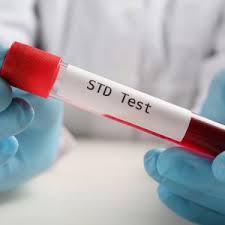
The terms sexually transmitted disease (STD) and sexually transmitted infection (STI) are often used interchangeably, but they have slightly different meanings. Both relate to infections that can spread through sexual contact, including vaginal, oral, and anal sex. Understanding the difference can help individuals make informed decisions about sexual health screening.
An STI refers to an infection caused by bacteria, viruses, or parasites that can be transmitted through sexual contact. An infection may be present without causing noticeable symptoms. An STD generally refers to an infection that has progressed to cause signs, symptoms, or a disease condition.
However, medical professionals and healthcare organisations may use these terms differently depending on the context. Both terms are relevant when discussing screening, diagnosis, prevention, and treatment.
What Is an STI Test?
An STI test identifies whether a person has a sexually transmitted infection. Testing may be recommended even when someone feels healthy because many infections can remain asymptomatic for weeks, months, or longer.
Common infections that healthcare professionals may screen for include:
-
Chlamydia
-
Gonorrhoea
-
Syphilis
-
Human immunodeficiency virus (HIV)
-
Hepatitis B, depending on individual risk and clinical guidance
-
Trichomoniasis, when indicated
Different tests are used for different infections. For example, a urine sample or swab may be used to detect chlamydia and gonorrhoea, while blood tests can help identify HIV or syphilis. The appropriate method depends on the infection being investigated and the person's medical history and exposure.
An STI screening appointment may be appropriate for routine sexual health checks, after a possible exposure, or when a sexual partner has received a diagnosis.
What Is an STD Test?
An STD Test in Dubai checks for sexually transmitted infections, particularly when symptoms or signs of disease are present. These symptoms may include unusual genital discharge, pain during urination, genital sores, itching, pelvic discomfort, or a rash.
However, symptoms alone cannot confirm an STD. Several other conditions can cause similar problems, and some sexually transmitted infections do not cause noticeable symptoms at all.
A healthcare professional may recommend specific tests based on symptoms, exposure history, examination findings, and other relevant factors. Testing may involve blood samples, urine samples, or swabs from particular body sites.
The purpose is to establish whether an infection is present and determine the appropriate next steps. Depending on the diagnosis, these may include medication, further assessment, partner notification, or follow-up testing.
Key Differences Between STD Testing and STI Testing
Although the terms overlap considerably, their typical use can differ.
1. Focus of testing
STI testing often refers to screening for infections before symptoms develop. STD testing may be used when a person has symptoms or when a disease caused by a sexually transmitted infection is suspected.
2. Reason for an appointment
Someone without symptoms may request routine STI screening because of a new partner or a possible exposure. Someone experiencing genital sores or unusual discharge may seek STD testing as part of a diagnostic assessment.
3. Testing methods
There is no fixed difference between the laboratory methods used for STD and STI tests. Both may involve blood tests, urine tests, or swabs, depending on the infection.
4. Interpretation of results
A positive result may identify an infection that requires treatment or further assessment, whether the appointment was described as an STD test or an STI test. A negative result does not always exclude infection if testing occurs during the window period or the wrong body site is tested.
When Should You Consider Sexual Health Testing?
Testing may be appropriate if you have had sex without a barrier method, a partner has disclosed an infection, you have symptoms, or you want routine screening based on your sexual activity and individual risk.
The right timing matters. Different infections have different window periods, meaning a test may not detect an infection immediately after exposure. A healthcare professional can advise whether testing is appropriate now and whether repeat testing is needed.
If you have possible symptoms, avoid self-diagnosing or taking antibiotics without medical advice. Until you have received appropriate guidance, consider avoiding sexual contact or following advice on reducing transmission risk.
Seek prompt medical attention for severe pelvic or testicular pain, significant genital swelling, fever with genital symptoms, or other concerning symptoms. Possible recent HIV exposure may require urgent assessment because preventive medication, known as post-exposure prophylaxis (PEP), must be started within 72 hours.
How to Prepare for an STD or STI Test
Preparation depends on the type of test required. Some urine tests may require you to avoid urinating for a specified period beforehand, while blood tests may have different preparation requirements. Fasting is not usually necessary for many common STI tests, but you should follow the clinic's instructions.
Before your appointment, consider sharing:
-
The approximate date of any possible exposure
-
Any symptoms and when they started
-
Previous STI diagnoses or treatments
-
Current medications, including antibiotics
-
Relevant vaccination history and previous test results
Providing accurate information helps the healthcare professional select suitable tests and interpret results appropriately. You do not need to wait for symptoms before asking about screening.
STD and STI Testing at Tajmeels Clinic in Dubai
At tajmeels clinic dubai, individuals considering sexual health testing can enquire about available screening services and the appropriate consultation process. A healthcare professional can assess relevant symptoms, exposure history, and individual concerns to help determine which tests may be suitable.
Patients should ask which infections are included in a screening panel, whether samples are collected on-site, how results are communicated, and whether follow-up consultation is available. Test availability, confidentiality arrangements, and result timelines should be confirmed directly with the clinic before booking.
Choosing an appropriate testing service involves more than selecting a test by name. Clear communication, suitable laboratory testing, professional interpretation, and timely follow-up all contribute to responsible sexual healthcare.
Frequently Asked Questions
Is an STD test different from an STI test?
The terms are often used interchangeably. STI usually describes an infection, while STD often refers to an infection that has caused disease or symptoms. The actual tests may be identical.
Can I have an STI without symptoms?
Yes. Many sexually transmitted infections cause no noticeable symptoms, which is why screening can be important even when you feel healthy.
Does one STD test check for every infection?
No. Different infections require different tests, and a standard screening panel may not include every possible infection. Ask which infections are covered.
When should I repeat an STI test?
Repeat testing depends on the infection, the timing of exposure, the initial result, and any treatment received. Follow the recommendations of a qualified healthcare professional.
Conclusion
The main difference between an STD test and an STI test is how the terms are commonly used, rather than a strict difference in testing methods. STI testing frequently refers to screening for infections before symptoms appear, while STD testing may refer to investigating a suspected infection or disease. In either case, selecting appropriate tests, considering window periods, and receiving professional guidance can support informed sexual health decisions.
More Information
Tajmeels Clinic Dubai
WhatsApp: +971 56 203 8751
Phone: tel:+971 43739000
Social Media:

 English
 French
 Spanish
 Portuguese
 Deutsch
 Turkish
 Dutch
 Italiano
 Russian
 Romaian
 Portuguese (Brazil)
 Greek