
Brand Packaging UK: A Complete Guide to Building a Strong Brand Identity
Introduction
Brand packaging plays an important role in how businesses present their products, communicate their values, and connect with customers. In the UK, companies across different industries use branded packaging UK to create a consistent appearance, improve product presentation, and distinguish themselves from competitors. From small independent retailers to established e-commerce businesses, effective packaging can help create a memorable impression and strengthen brand recognition.
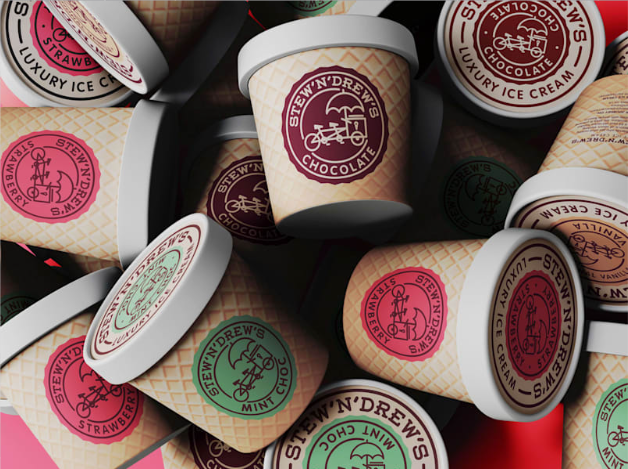
Brand packaging UK solutions combine practical packaging with visual elements such as logos, colours, typography, graphics, and personalised messages. These elements help businesses transform ordinary boxes, bags, and product containers into recognisable brand assets.
Whether a company sells cosmetics, clothing, food products, electronics, or luxury gifts, branded packaging can support its marketing strategy and improve the overall customer experience. By choosing suitable materials and thoughtful designs, businesses can create packaging that reflects their identity while protecting the products inside.
What Is Brand Packaging?
Brand packaging refers to packaging designed to represent a company's identity and communicate its message to customers. It combines the functional purpose of protecting a product with the visual elements that make a business recognisable.
Unlike plain packaging, brand packaging incorporates distinctive design features such as company logos, brand colours, typography, product information, and promotional messages. These elements create a consistent appearance across different products and sales channels.
For example, a skincare company may use minimalist packaging with elegant typography to communicate a premium image. A clothing retailer might choose branded mailer boxes featuring bold colours and a memorable logo, while a food business may use printed cartons that highlight its products and provide essential information.
The objective is to create packaging that reflects the company's personality while remaining practical, attractive, and suitable for its intended purpose.
Why Brand Packaging Matters for UK Businesses
The UK business market includes a wide range of brands competing for customer attention. In such an environment, packaging can help companies communicate their identity and create a more recognisable presence.
1. Builds Brand Recognition
Brand recognition occurs when customers can identify a business through its visual elements and overall presentation. Packaging provides an opportunity to reinforce these elements whenever customers interact with a product.
Consistent use of logos, colours, fonts, and graphic styles helps establish a familiar appearance. Over time, customers may begin to associate these visual details with a particular company and its products.
For businesses selling through multiple channels, consistent packaging can connect the in-store and online shopping experiences. It also helps maintain a professional appearance across different product categories.
2. Creates a Positive First Impression
Packaging often shapes a customer's first physical impression of a product. A well-designed package can communicate care, quality, and attention to detail before the product is even opened.
This is especially important for e-commerce businesses, where packaging is delivered directly to the customer. A neatly presented box with clear branding can make an order feel more professional and enjoyable to receive.
However, attractive packaging should also meet practical expectations. It must protect the product, open conveniently, and avoid unnecessary complexity.
3. Supports Customer Loyalty
A positive customer experience can contribute to stronger relationships between a brand and its customers. Branded packaging supports this experience by making products feel distinctive and consistently presented.
Businesses can include personalised messages, thank-you cards, product care instructions, or information about related products. These details can make customers feel more connected to the brand when used appropriately.
Although packaging alone cannot guarantee customer loyalty, it can complement product quality, customer service, and reliable delivery to create a more satisfying overall experience.
4. Helps Businesses Stand Out from Competitors
When several businesses offer similar products, presentation can become an important point of differentiation. Brand packaging gives companies an opportunity to express their unique identity through colours, graphics, materials, and structural designs.
A distinctive packaging style can make a product easier to recognise on a retail shelf or in an online product photograph. Businesses can also adapt packaging for seasonal campaigns, special releases, or limited-edition products while maintaining their core visual identity.
The most effective approach is to create packaging that reflects the brand rather than simply following temporary design trends.
Popular Types of Brand Packaging in the UK
Different products require different packaging formats. Businesses should choose options that suit their product requirements, target audience, and branding objectives.
Custom Branded Boxes
Custom branded boxes are widely used by retailers, manufacturers, gift companies, and e-commerce businesses. They provide space for logos, brand colours, printed artwork, and product information.
Businesses can choose cardboard, corrugated board, or rigid board depending on the product's weight, fragility, and desired presentation.
These boxes are particularly useful for companies seeking consistent branding across deliveries, retail displays, and product packaging.
Branded Mailer Boxes
Branded mailer boxes are a popular choice for online stores, subscription services, clothing businesses, and beauty brands. Their convenient structure supports order fulfilment while providing an opportunity to create a recognisable delivery experience.
Companies can print their logos and designs on the exterior, interior, or both surfaces. Additional features, such as branded tissue paper and personalised inserts, can create a coordinated presentation.
The packaging should also be appropriately sized and sufficiently strong to protect products during transportation.
Luxury Brand Packaging
Luxury brand packaging focuses on premium presentation and carefully selected materials. It is commonly used for jewellery, perfumes, high-end cosmetics, premium clothing, and gift products.
Rigid boxes, refined typography, foil stamping, embossing, and specialised finishes can contribute to an elegant appearance.
Luxury packaging should reflect the product's positioning without sacrificing functionality. A well-designed box should be attractive, durable, and convenient for customers to use.
Branded Paper Bags
Branded paper bags are commonly used by retail stores, boutiques, bakeries, and gift shops. They allow businesses to display their logos and visual identity while providing a practical way for customers to carry purchases.
Businesses can customise bag sizes, paper types, handle styles, and printing designs according to their needs.
When coordinated with other packaging materials, branded paper bags can help create a consistent appearance across the customer journey.
Branded Product Labels and Sleeves
Labels and packaging sleeves provide a flexible way to introduce branding without redesigning the entire container. They can be used for jars, bottles, cartons, gift boxes, and various retail products.
These options are useful for businesses that want to update product presentation, highlight specific information, or create seasonal designs while maintaining a consistent packaging structure.
The Role of Design in Brand Packaging
Effective brand packaging begins with a clear understanding of the company's identity. Before choosing colours or materials, businesses should consider their target audience, product positioning, and the message they want to communicate.
Colour and Typography
Colours can help establish a recognisable visual identity, while typography communicates personality and improves readability. Businesses should use these elements consistently across packaging and other branded materials.
A premium brand may prefer restrained colours and elegant fonts, whereas a youthful lifestyle brand might choose brighter colours and more expressive typography.
Logo Placement
A logo should be positioned where customers can see and recognise it easily. Its size and placement should complement the overall design without overwhelming important product information.
Consistent logo placement across packaging formats helps create a more unified brand appearance.
Material Selection
Materials influence both the functionality and perceived quality of packaging. Cardboard may be suitable for everyday retail products, corrugated board for shipping, and rigid board for premium presentation.
The selected material should support the brand image while meeting product protection, storage, and transportation requirements.
Practical Functionality
Good packaging design must balance visual appeal with usability. Boxes should open conveniently, closures should work reliably, and the packaging should fit the product appropriately.
Businesses should test samples before production to assess durability, dimensions, print quality, and the overall customer experience.
Brand Packaging as a Marketing Tool
Packaging can support marketing by carrying a brand's identity wherever its products are sold, shipped, or displayed.
Printed logos, website addresses, promotional messages, and social media details can help customers discover more about a business. Packaging can also communicate product benefits and direct customers towards related products or services.
For online retailers, attractive packaging may encourage customers to share their purchases through photographs or unboxing videos. This can create opportunities for additional exposure, although such results depend on customer preferences and the overall product experience.
Seasonal packaging and special-edition designs can also support promotional campaigns, product launches, and holiday sales.
To remain effective, packaging should communicate the brand message clearly rather than overcrowding the design with excessive information.
Sustainable Brand Packaging
Sustainability is an important consideration for businesses developing their packaging strategies. Customers and companies may prefer materials that support waste reduction and responsible resource use.
Potential options include recyclable cardboard, paper-based packaging, recycled-content materials, and reusable packaging designed for repeated use.
Businesses can also reduce unnecessary material by selecting appropriately sized boxes and avoiding excessive decorative components.
However, sustainability depends on more than the material's appearance or marketing description. Companies should consider recyclability, material composition, protective performance, coatings, adhesives, and local disposal facilities.
Environmental claims should be accurate and supported by appropriate evidence. Choosing packaging that balances product protection, presentation, and responsible material use can help businesses develop a more considered approach.
How to Choose the Right Brand Packaging Supplier
Selecting a suitable packaging supplier is important for maintaining quality and consistency. Businesses should evaluate the supplier's material options, printing capabilities, customisation services, and production capacity.
Requesting samples can help assess colour accuracy, material strength, finishing quality, and overall presentation before placing a larger order.
Companies should also discuss minimum order quantities, production schedules, delivery arrangements, and total costs. These factors are especially important for small businesses managing limited budgets or retailers preparing for seasonal demand.
A reliable supplier should communicate clearly, explain available options, and help ensure that the packaging meets the business's specifications.
Cost Considerations for Brand Packaging in the UK
The cost of brand packaging depends on the material, box dimensions, printing method, order quantity, and finishing options.
Simple printed boxes may be more economical than packaging featuring specialised materials, complex structures, or luxury finishes. Larger production runs can sometimes reduce the unit cost, although businesses should consider storage space and the possibility of future branding changes.
A practical way to manage expenses is to prioritise the features that contribute most to product protection, brand recognition, and customer experience.
Businesses should compare complete quotations, including setup fees, printing, finishing, delivery, and sample production, rather than focusing only on the price per box.
Conclusion
Brand packaging UK solutions help businesses combine product protection with professional presentation and consistent brand communication. From custom branded boxes and mailer packaging to luxury boxes, paper bags, and printed labels, companies can choose packaging that reflects their identity and meets their customers' expectations.
Successful brand packaging requires careful planning, including material selection, thoughtful design, practical functionality, and cost management. Businesses should also consider sustainability and ensure that their packaging remains suitable for the products being sold.
By investing in well-designed brand packaging, UK businesses can improve product presentation, strengthen brand recognition, and create more memorable customer experiences. Ultimately, effective packaging is not simply about making a product look attractive; it is about communicating what a brand represents and delivering that message consistently.

 Arabic
 French
 Spanish
 Portuguese
 Deutsch
 Turkish
 Dutch
 Italiano
 Russian
 Romaian
 Portuguese (Brazil)
 Greek